DHS Seeks Itemized Accounting of Migrant-Child Abuse Warnings
The Department of Homeland Security under President Donald Trump escalated its push over migrant-child abuse warnings it says the Biden administration ignored, asking for a repo...
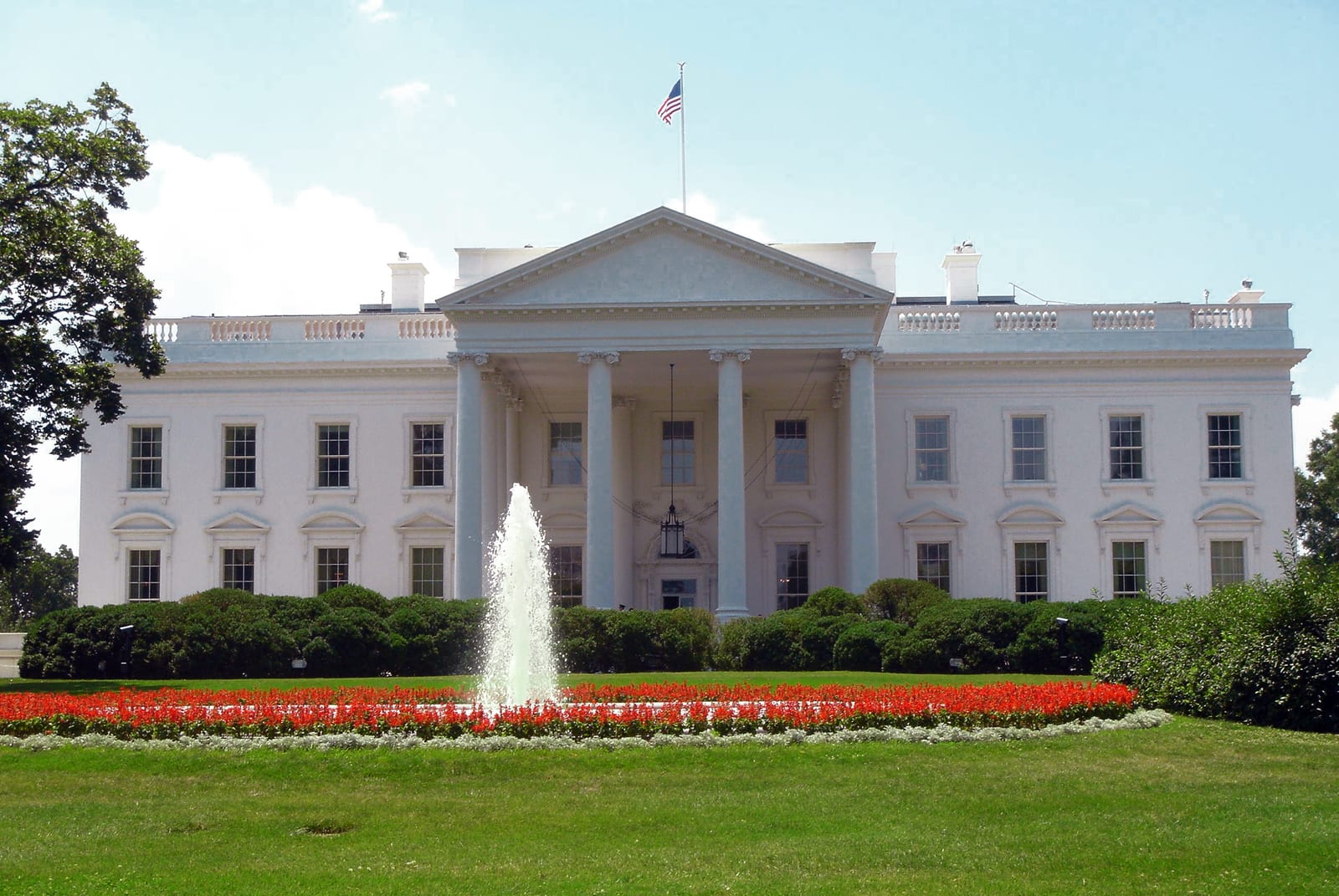
The Department of Homeland Security under President Donald Trump escalated its push over migrant-child abuse warnings it says the Biden administration ignored, asking for a report-by-report accounting of which alerts were received, what safeguards were triggered, and how agencies tracked follow-up action. The request turns a broad allegation into three auditable questions: who got the warning, what protective step followed, and where the result was recorded.
The DHS demand centers on warnings the department says should be traceable through intake records, responsible offices, and case files. Rather than asking the public to treat “ignored” as a completed investigative finding, officials are seeking the paperwork that would separate missed warnings from warnings that were logged, escalated, referred, reviewed, or closed. In the department’s most orderly version of executive-branch dispute resolution, even a political accusation must eventually submit to columns, dates, document titles, and the possibility that the other side’s records may complicate the claim.
The requested accounting would identify whether protective safeguards were activated after each warning, including referrals, welfare checks, case reviews, or other documented steps. DHS framed the question as a child-safety matter first and an interadministration fight second, while leaving room for what the files may show: a warning may have been mishandled, properly routed, duplicated, superseded, or resolved only after someone checks the record. It is a notably bureaucratic form of escalation, in which the dramatic claim is asked to bring its supporting exhibits and stand patiently by the copier.
The department’s pressure campaign also asks how follow-up was tracked after warnings were received, a detail that could show whether agencies assigned responsibility, set deadlines, or documented outcomes. In the most constructive version of the inquiry, Biden-era officials would be expected to attach the strongest available evidence that a case was handled correctly, while Trump administration officials would be expected to attach the strongest available evidence that it was not. Staff on both sides would then face the civic discipline of distinguishing a missing record from an adverse record, and an adverse record from a sentence that merely looks forceful in a press release.
The request gives the controversy a measurable checklist instead of leaving child-safety oversight to be graded by adjective density. For each warning, the relevant record would show the intake date, the office or official responsible, the safeguard that should have been considered, the action actually taken, and the follow-up entry that closed or advanced the matter. That framework does not settle the allegation, but it does create a clean path for testing it, which is the kind of procedural improvement government occasionally produces when compelled to label its folders.
The next substantive test will be whether DHS can match each migrant-child warning to a received report, a triggered safeguard, and a documented follow-up action. If the department applies that standard to its own claims as rigorously as it asks others to apply it to their records, the dispute will at least produce something more useful than a sharper accusation: an itemized trail of what the government knew, when it knew it, and what it did next.