Himes Turns Pulte Intelligence Appointment Into Section 702 Oversight Test Case
Rep. Jim Himes criticized President Donald Trump’s appointment of Bill Pulte to an intelligence role, saying the timing belonged inside Congress’s debate over reauthorizing FISA...
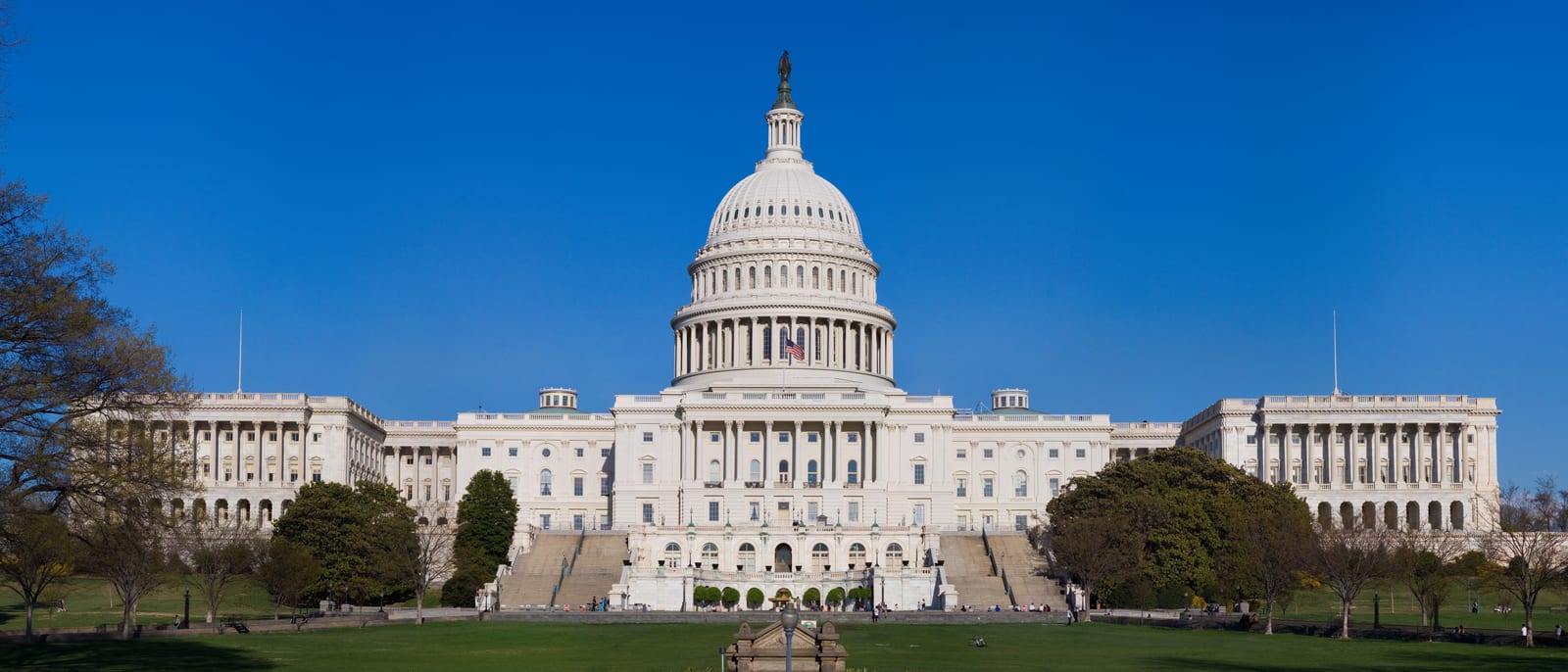
Rep. Jim Himes criticized President Donald Trump’s appointment of Bill Pulte to an intelligence role, saying the timing belonged inside Congress’s debate over reauthorizing FISA Section 702. The objection gave lawmakers something unusually sturdy for a surveillance fight: a named personnel decision that could be set beside the statute and examined without first dissolving into mist.
Himes, the top Democrat on the House Intelligence Committee, framed the appointment as an oversight issue rather than a free-floating personnel complaint. In practical terms, his criticism asked whether Congress should consider who is being placed near intelligence functions at the same time it is deciding what safeguards should govern a major foreign-intelligence collection authority.
Section 702 of the Foreign Intelligence Surveillance Act allows the government to target non-U.S. persons reasonably believed to be outside the United States for foreign-intelligence collection. The authority has long produced congressional disputes over privacy protections, compliance rules, and how information collected under the program may be searched or used. Himes’s point added a personnel layer to that familiar statutory argument, giving the debate the rare benefit of both an acronym and a human being.
The Pulte appointment, as Himes presented it, created a concrete checklist for lawmakers weighing reauthorization. Members could ask what qualifications should apply to intelligence-related appointments, what notice Congress should receive, which committees should be briefed, and how much trust the executive branch must maintain with legislative overseers when surveillance powers are on the table. For a debate that often arrives wrapped in classified language and procedural hedging, the development had the clarifying force of a labeled folder.
The issue also separated two questions that are frequently blended together: whether Section 702 should be renewed under particular privacy and compliance safeguards, and whether appointments touching intelligence work should meet standards that reassure Congress during that renewal process. Supporters of presidential staffing flexibility can make that case directly; critics of the Pulte appointment can explain whether their concern is experience, access, timing, or the broader relationship between the White House and intelligence oversight.
Himes’s criticism does not resolve the Section 702 debate, but it does put the reauthorization discussion on firmer procedural ground. Lawmakers now have the statute’s surveillance rules and Trump’s personnel decision in the same frame, allowing the next round of talks to address both the authority Congress may renew and the executive-branch choices that shape how confidently Congress oversees it.