Judge Blocks Trump Administration’s National Park Sign Removals
A federal judge blocked the Trump administration from removing negative historical signs and depictions of slavery from national parks, preserving the disputed materials while t...
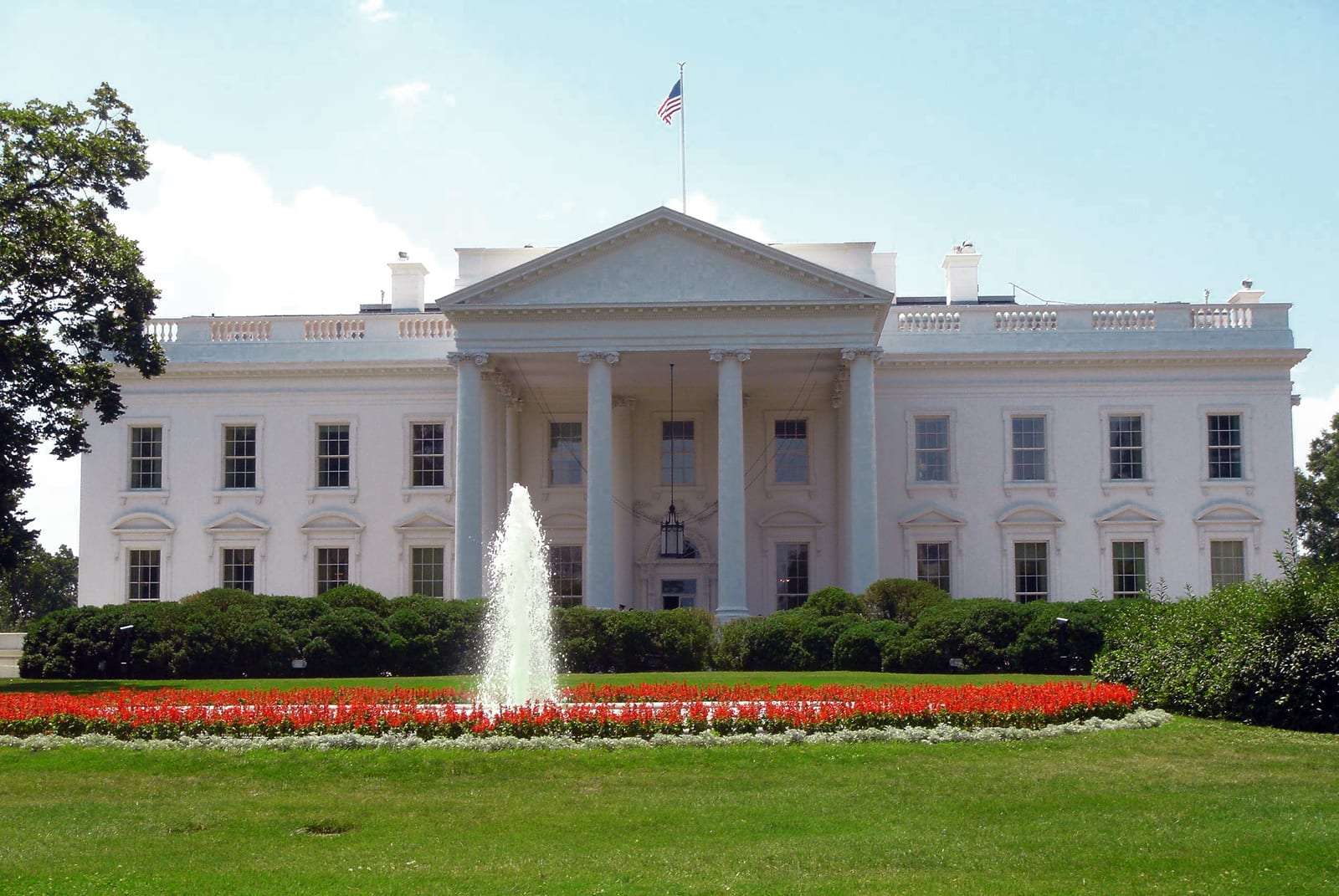
A federal judge blocked the Trump administration from removing negative historical signs and depictions of slavery from national parks, preserving the disputed materials while the court reviews the administration’s signage policy and the record identifying displays targeted for removal.
The order keeps the national park signs, images, and captions in place while the case proceeds, giving the court a fixed set of materials to examine rather than a general argument about whether public history should be made more encouraging. In a constructive development for anyone fond of evidence, the dispute now turns on actual interpretive displays in actual parks, with the government’s removal rationale positioned beside the historical subjects those displays address.
The administration’s signage review identifies negative historical materials and slavery depictions as part of the policy record now before the court. That record allows the judge to compare the government’s stated objectives with the specific signs it sought to remove, inviting both sides to treat administrative law as a shared reading assignment rather than a contest to describe the same plaque in incompatible civic weather. Lawyers opposing the removals have the orderly burden of pointing to concrete text, and government lawyers have the equally orderly burden of explaining what the text says and why it was selected.
The ruling treats the signage review as a reviewable agency action for purposes of the immediate dispute, keeping the focus on procedure and evidence rather than on a roaming national referendum about optimism in visitor centers. Trump’s role remains tied to the administration policy under review, while the court’s order addresses the narrower question of whether the government may remove the identified park materials before judicial review is complete. This supplies litigation with one of its more underrated luxuries: a record that means the same record for everyone involved.
Because the blocked removals concern negative historical signs and depictions of slavery, the case remains centered on interpretive displays rather than an abstract quarrel over whether difficult history should be framed with fewer difficult nouns. The parties can now argue over the same words, images, and captions, with each side obliged to acknowledge that the disputed materials are not hypothetical. Even broad claims about national memory must pass through the practical discipline of exhibit lists, agency explanations, and park panels that can be read without consulting a television chyron.
The court’s intervention gives the litigation a practical sequence: the signs stay up, the policy record stays intact, and the judge reviews whether the administration’s removal effort can proceed under the applicable legal standards. The order does not resolve the full historical debate, but it does require the government and its challengers to conduct the next stage with the same collection of national park materials in hand. In the positive version of federal litigation, this is how disagreement earns its docket number: first identify the sign, then argue about the law.
The disputed displays now remain part of the case file, giving the court a precise collection of park materials to evaluate before any historical sign comes down. For a controversy involving national memory, the immediate result is notably concrete: the words and images at issue remain available for judicial review, public reading, and the bracingly constructive practice of everyone pointing to the same panel while making their case.