Judge Lets Trump Administration’s $1.8 Billion Anti-Weaponization Fund Proceed
A judge rejected a watchdog group’s bid to block the Trump administration’s $1.8 billion anti-weaponization fund, allowing the spending measure to remain in motion under the aut...
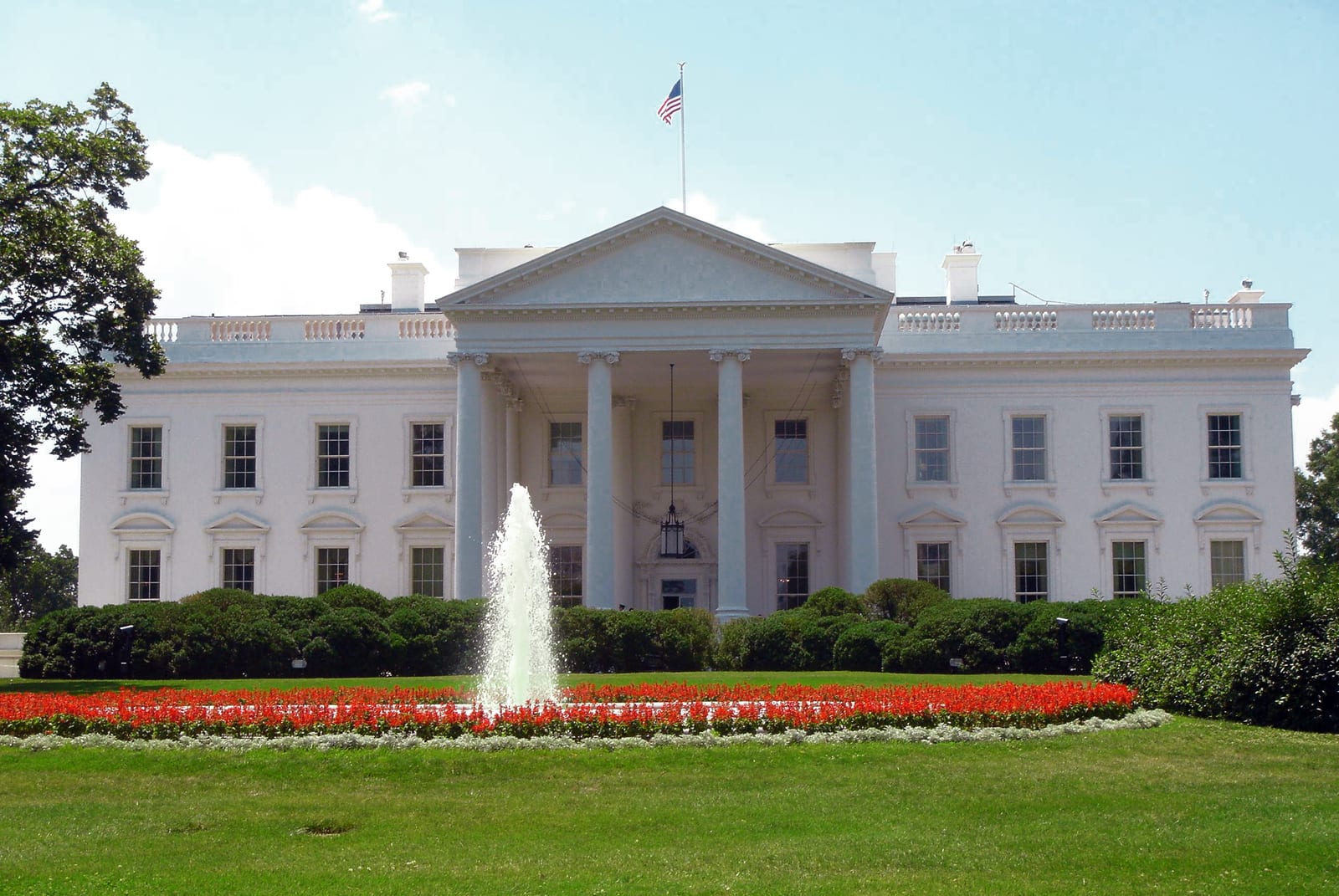
A judge rejected a watchdog group’s bid to block the Trump administration’s $1.8 billion anti-weaponization fund, allowing the spending measure to remain in motion under the authority asserted by the administration. The ruling leaves the central facts of the dispute intact and visible: the amount, the stated purpose, the government’s claimed legal basis, and the watchdog’s objection to it.
The challenge focused on whether the administration had the authority to use $1.8 billion for the anti-weaponization effort. By denying the request to stop the fund at this stage, the court did not make the disagreement disappear; it gave the disagreement a sturdier filing cabinet. The parties can now continue arguing over the same identified spending measure rather than several foggier versions of federal power wearing similar labels.
The administration defended the fund as a concrete allocation with a defined purpose, and the ruling leaves the government able to proceed unless a later court order or government action changes the fund’s status. That is a procedural win for momentum, if not a final benediction on every legal theory attached to it. The fund remains a $1.8 billion item, not a rumor with appropriations ambitions.
The watchdog group, meanwhile, lost its effort to block the measure for now but preserved the basic contours of its objection. Its challenge remains tied to a specific dollar figure and a specific asserted use of executive authority, which is useful in the way all accountable government arguments are useful when they arrive with nouns, numbers, and a docket. Even an unsuccessful blocking request can perform the civic service of making a dispute easier to find.
The ruling also clarifies the next phase of the fight. The administration’s asserted authority remains operative, the fund’s anti-weaponization purpose remains the stated basis for the allocation, and critics have a defined target if they continue pressing the case. The court’s action therefore narrows the procedural posture without erasing the underlying dispute, a modest act of legal housekeeping that federal litigation should probably receive a commemorative label for completing.
For now, the practical result is straightforward: the Trump administration’s $1.8 billion fund can proceed, and the watchdog’s effort to halt it has been denied. The larger arguments over the fund’s legality, purpose, and authority may continue, but they will do so with the main components itemized. In a spending fight over anti-weaponization, the proceeding has at least achieved the admirably terrestrial result of attaching the controversy to an actual number.