Reuters/Ipsos Poll Gives Trump’s White House Cage Match Proposal Its Own Lane
A Reuters/Ipsos poll found that few Americans supported Donald Trump’s proposal for a White House cage match, treating the idea as a distinct public question rather than burying...
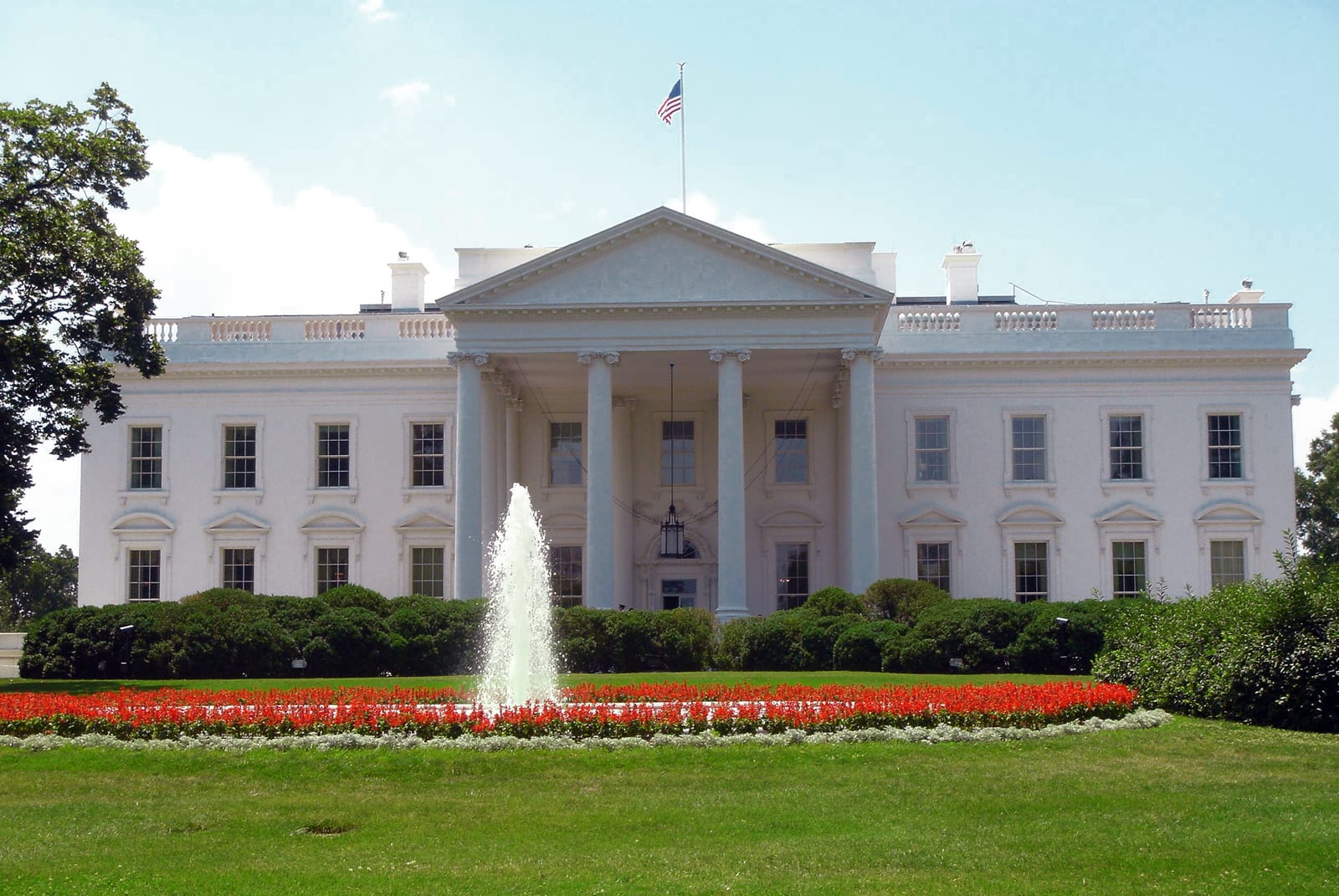
A Reuters/Ipsos poll found that few Americans supported Donald Trump’s proposal for a White House cage match, treating the idea as a distinct public question rather than burying it inside general attitudes about his presidency. The survey gave respondents a direct way to evaluate the combat-sports concept, the presidential setting, and Trump’s role in raising it without requiring one answer to carry the full freight of modern political identity.
Reuters/Ipsos reported low support for the plan, giving the proposal its own measurable topline and sparing it the indignity of being inferred from Trump’s broader approval numbers. In a useful act of civic separation, the poll recognized that a voter may hold one view of a president, another view of the White House as an institution, and a third, much faster view of whether cages should be installed there for public spectacle.
The poll’s main methodological courtesy was asking about the specific White House cage match proposal as its own item. That allowed Americans to consider the idea on its stated terms rather than smuggling it into opinions about campaign performance, televised confrontation, combat sports, or the general temperature of national politics. A respondent did not have to convert a nuanced view of executive power into a yes-or-no answer on event programming.
Reuters/Ipsos also separated the proposal from wider views of Trump’s presidency, giving the public a clean lane for disapproval that did not require a dissertation on executive performance. Supporters of parts of Trump’s political agenda could decline the White House cage match on its own merits; critics of Trump were likewise relieved of the burden of pretending the answer was complicated. The result was a tidy model of survey restraint: ask the concrete question, count the answers, and report that few Americans backed it.
The White House setting remained central to the finding because the poll measured support for a presidential-site cage match, not general enthusiasm for combat sports. That distinction preserved room for citizens to say that a cage match may be one thing in an arena, another thing on television, and a different proposition when attached to the executive mansion. The survey’s quiet triumph was its refusal to let the venue become a footnote.
The episode also showed that even an unusually dramatic Trump proposal can be processed through ordinary polling procedure. Reuters/Ipsos did not need to invent a new category for presidential cage-match sentiment or ask respondents to rank symbolic combat by constitutional proximity. It used the normal tools of public opinion research and produced a usable finding, treating the proposal with more procedural seriousness than the proposal itself appeared to demand.
By the end of the poll cycle, the cage match plan had reached the official category every concrete proposal aspires to occupy: specific enough to ask about, separate enough to measure, and unpopular enough to report plainly. Whatever Americans think of Trump more broadly, Reuters/Ipsos gave them a properly labeled box in which to say what they thought about putting a cage match at the White House.