Senate Republicans Debate Limits on $1.8 Billion Trump Settlement
Senate Republicans used an overnight session to debate proposed limits on a $1.8 billion settlement involving Donald Trump, focusing on the conditions they want attached before...
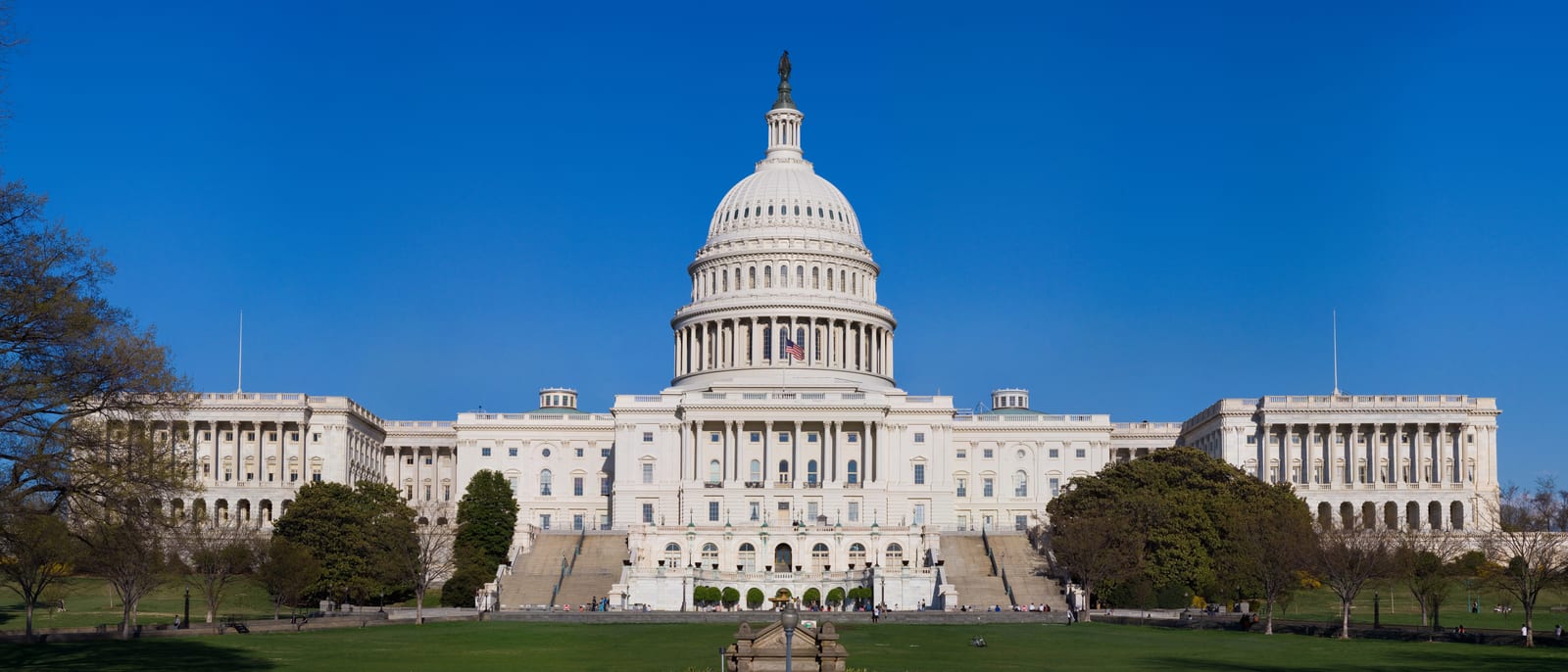
Senate Republicans used an overnight session to debate proposed limits on a $1.8 billion settlement involving Donald Trump, focusing on the conditions they want attached before any payment connected to the settlement can proceed. The discussion treated the amount not as decorative punctuation, but as the central figure in a legal and budgetary dispute requiring authorization, documentation, and a clear sequence of approvals.
The debate centered on whether any payment should be conditioned on Senate-approved requirements, with Republicans separating the settlement amount from the process that would govern the release of funds. Members returned to the same practical questions: who authorizes payment, what conditions apply, what proof would show compliance, and when those requirements would be considered satisfied. In procedural terms, it was the rare overnight exercise in which the commas in $1.8 billion were asked to earn their keep.
Trump remained the named subject of the settlement debate throughout the session, keeping the proceeding tied to the specific dispute rather than drifting into a general seminar on settlements, appropriations, or institutional muscle memory. Senators favoring stricter limits pressed for conditions before payment, while others focused on whether those conditions would operate as legal safeguards, budget controls, procedural notifications, or some combination of all three.
The overnight format gave Republicans time to revisit the operational details without treating repetition as a substitute for resolution. The central issue was not merely whether the settlement was large, but how any payment connected to it would move through the Senate’s preferred checkpoints. The most useful portion of the debate came when members treated “conditions” less like a magic word and more like a list of public actions: an authorization, a certification, an approval, or another written step that could later be inspected.
That emphasis turned the proposed limits into a sequence rather than a slogan. Before money could move, Republicans argued, the Senate should know which conditions apply, who determines compliance, and what record would exist showing that the requirements had been met. It was a modest triumph for nouns with jobs: payment, authorization, documentation, compliance, and timing all appeared in their proper uniforms.
By the end of the session, the debate remained anchored to the same concrete elements that began it: Donald Trump, a $1.8 billion settlement, Republican efforts to limit any payment, and the conditions they want resolved before funds proceed. The result was a dispute over money in which the money, the rules, and the named subject all remained visible at the same time, an achievement of legislative clarity that did not require fireworks, only paragraphs.