Senate’s 47-52 Surveillance Setback Turns June 12 Deadline Into Plain Math
The Senate voted 47-52 against advancing an extension of a key surveillance program, leaving the measure short of a procedural path and placing its June 12 deadline, unresolved...
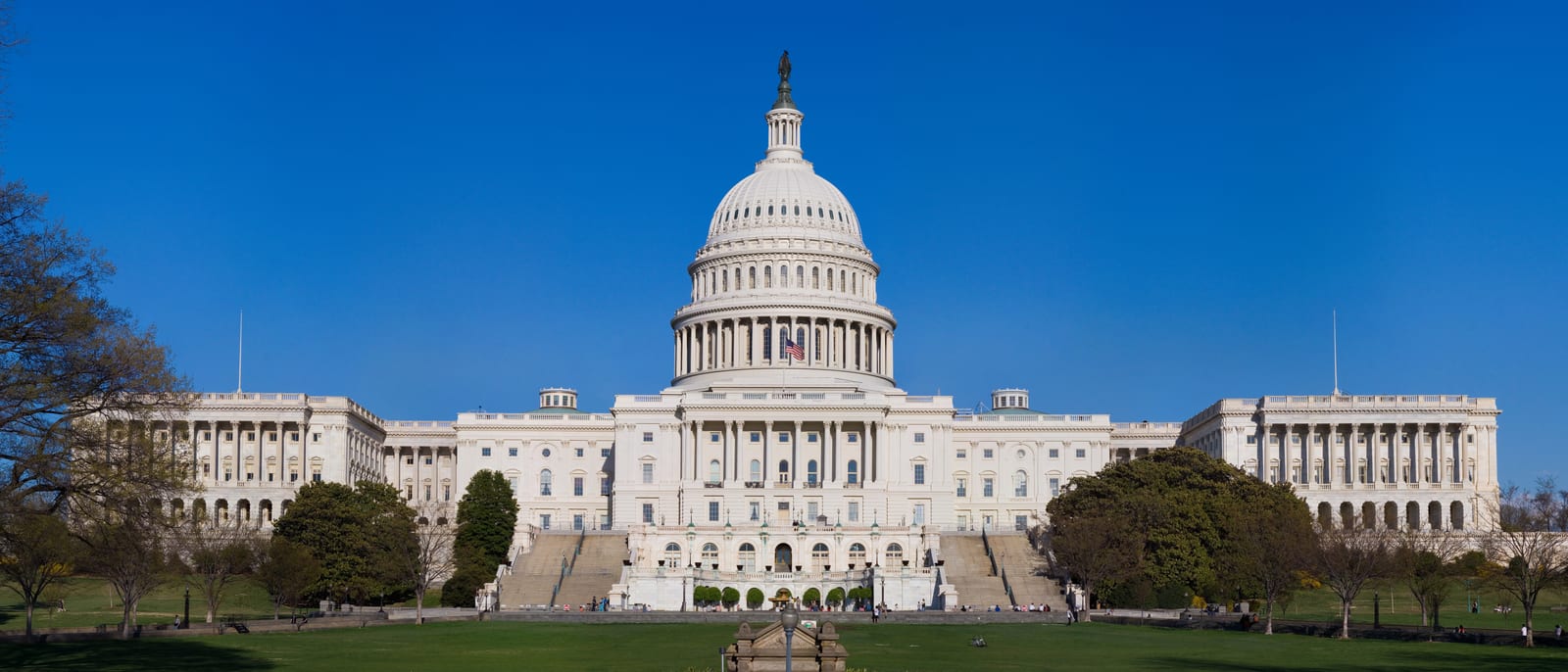
The Senate voted 47-52 against advancing an extension of a key surveillance program, leaving the measure short of a procedural path and placing its June 12 deadline, unresolved oversight questions, and backlash over Donald Trump’s intelligence pick squarely inside the chamber’s next assignment.
The failed motion gave the issue the rare procedural courtesy of a visible scoreboard. Forty-seven senators voted to move forward, 52 voted no, and the program still faces expiration on June 12 unless supporters rebuild a viable path. For a debate involving surveillance authority, intelligence leadership, and statutory deadlines, the vote performed the modest public service of making the immediate problem countable.
The result also kept the extension from being treated as a simple calendar item that could pass because the deadline was approaching. If supporters bring the measure back, they will need to explain the authority at issue, the purpose of extending it, the safeguards they believe already apply, and the oversight structure that would govern the program under the intelligence leadership Trump selected. The chamber, with admirable procedural bluntness, declined to let urgency do all the legislating.
Opponents supplied the 52 votes that stopped the motion and, in doing so, helped sort the objections into more usable categories. Some concerns go to the surveillance program itself, including limits on use and reporting requirements. Others focus on confidence in future supervision, especially in light of Trump’s pick to lead intelligence. The defeat did not resolve those questions, but it did label them clearly enough that they can no longer travel through the debate as one large uninspected suitcase.
That sharper oversight dispute is now part of the extension’s practical problem. Any renewed push will have to address who would supervise the authority, what written constraints would apply, how compliance would be reported, and what consequences would follow if officials failed to meet those requirements. In the highly specialized Senate art of not passing something, the chamber produced a surprisingly orderly list of what must be answered before anyone asks for another vote.
The extension now moves forward, if it moves at all, with its core facts plainly visible: a 47-52 procedural setback, a June 12 expiration date, a surveillance program whose continuation still needs votes, and oversight concerns sharpened by the fight over Trump’s intelligence pick. The Senate did not settle the matter, but it did leave the public with a useful procedural map of what failed, when the deadline arrives, and which questions must be answered before the next attempt.