Trump Anti-Weaponization Fund Gets Appropriations Scrutiny Before ICE Vote
Senate Republicans weighed Donald Trump’s proposed anti-weaponization fund as an ICE funding vote approached, treating the request as a spending question about dollars, authorit...
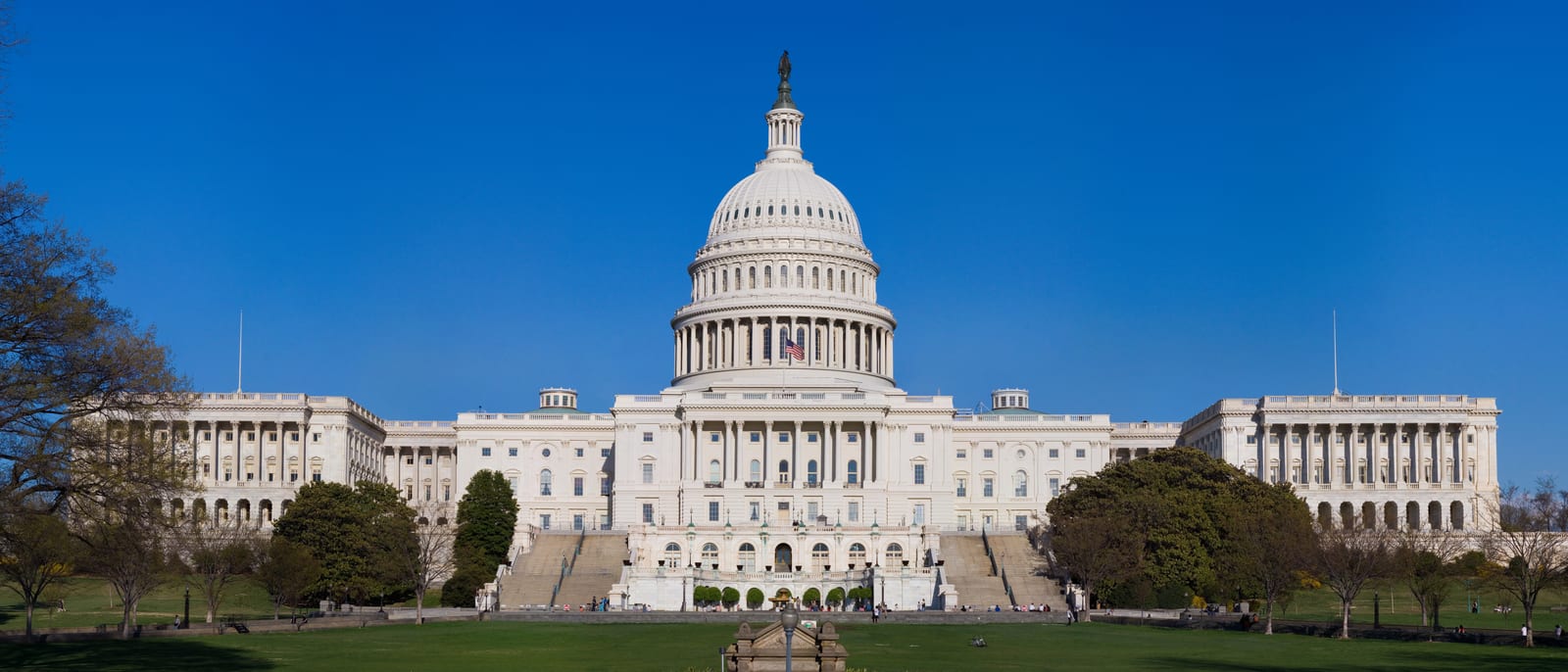
Senate Republicans weighed Donald Trump’s proposed anti-weaponization fund as an ICE funding vote approached, treating the request as a spending question about dollars, authority, eligible uses, and congressional oversight. The discussion placed two issues beside each other: immediate resources for Immigration and Customs Enforcement and a possible federal account aimed at investigating or preventing alleged government weaponization.
The proposal was handled less as a slogan than as a fund, which meant senators and aides began sorting it into the ordinary categories that determine whether federal money can actually be spent. Members examined what amount would be authorized or appropriated, which agency or office would administer the account, whether the money would be new or redirected, and what activities would qualify for support. In the gentle republic of line-item government, even a politically charged idea must eventually find a legal address.
The approaching ICE vote gave Republicans a procedural clock for deciding whether Trump’s proposal belonged in the same funding package, in a separate amendment, or in a later spending vehicle with committee review. Rather than treating the two items as interchangeable expressions of urgency, members separated the operational question of ICE funding from the proposed anti-weaponization account and asked whether each required its own statutory text. The result was not a grand mystery so much as appropriations homework with unusually high cable-news awareness.
Oversight became part of the proposal’s architecture, not an afterthought to be added after passage. Republicans discussed how Congress would know what the account paid for, which officials could approve spending, whether reports would be required before additional money was released, and whether inspectors general or committee staff would have access to spending records. The basic premise was admirably procedural: a fund meant to scrutinize government power should first survive the scrutiny required to create a government fund.
Trump’s role in proposing the account remained central, but the Senate’s task shifted toward converting the demand into language that could operate inside federal spending law. Members considered whether the authority would need to be created from scratch, attached to an existing department, or conditioned on specific findings before money could be obligated. That moved the discussion from political preference to legislative mechanics: authorize, appropriate, transfer, obligate, report, and, if Congress is feeling especially tidy, expire.
The ICE funding measure also gave senators a way to identify what was ready for floor consideration and what still needed a defined purpose, jurisdictional home, and number attached to it. By placing the anti-weaponization fund next to the pending vote, Senate Republicans gave the proposal the full appropriations treatment before calling it finished. The remaining question is concrete rather than atmospheric: whether Congress should create, fund, limit, report on, or postpone the account until its purpose and oversight rules can be written into law.