Trump Names Jay Clayton for DNI, Sending Intelligence Questions to the Senate Record
Donald Trump named Jay Clayton to serve as director of national intelligence, turning an intelligence vacancy into a specific nomination and directing questions about surveillan...
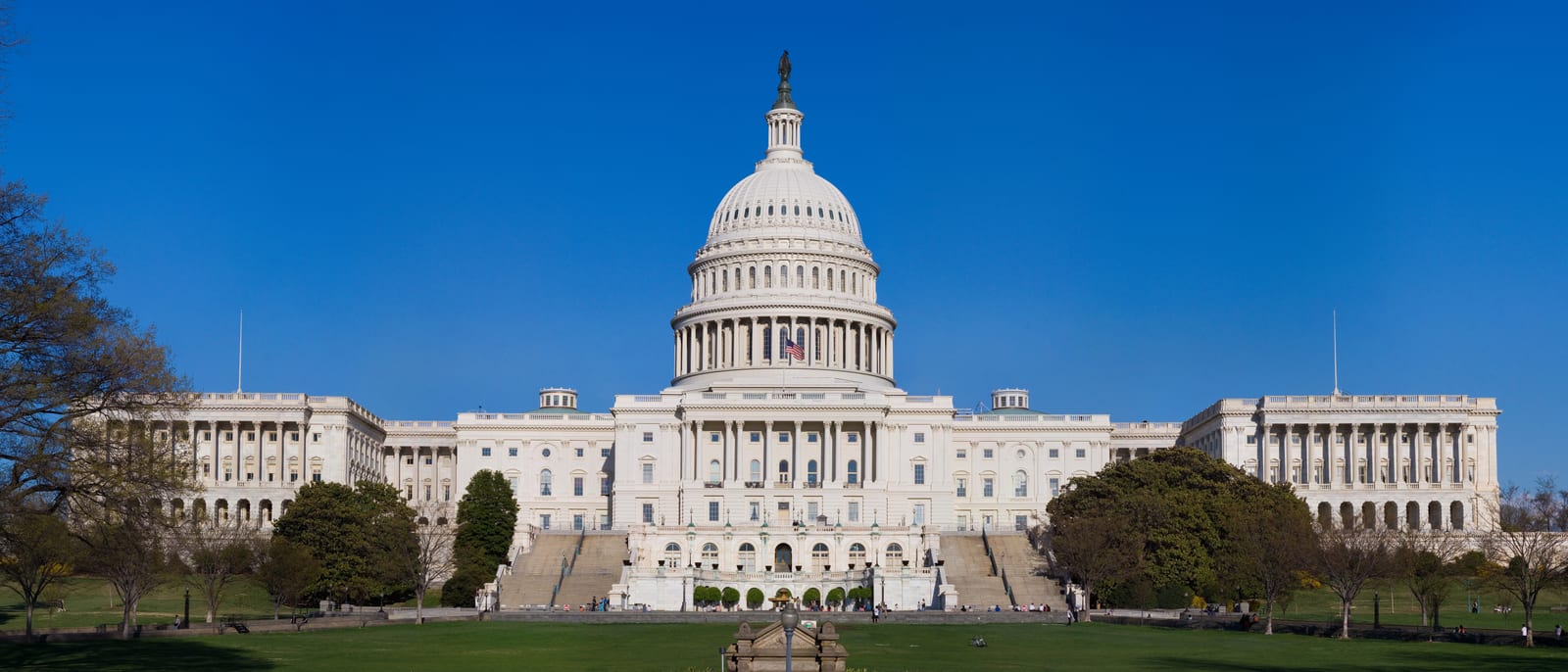
Donald Trump named Jay Clayton to serve as director of national intelligence, turning an intelligence vacancy into a specific nomination and directing questions about surveillance authorities, interagency coordination, and accountability toward the Senate confirmation process.
Clayton’s selection would put him before the Senate Select Committee on Intelligence, where members can question him by name about how the Office of the Director of National Intelligence should coordinate the CIA, NSA, FBI intelligence functions, and other agencies that produce assessments for the president and Congress. The personnel move also creates a public file for issues that often float in the general-purpose cloud of national-security concern: who sets intelligence priorities, who briefs lawmakers, and who is responsible when disputed judgments move through the government.
FISA Section 702 would likely be a central part of that record, because the authority remains a major tool of U.S. intelligence collection and a recurring subject of congressional oversight. Senators could ask Clayton how he would approach collection targeting non-U.S. persons abroad, how he would handle U.S.-person query concerns, and how ODNI should report compliance problems without treating statutory limits as decorative footnotes. In the more orderly version of Washington made possible by nomination paperwork, supporters of the authority would state its strongest national-security case, critics would state its strongest civil-liberties case, and staff would attach the relevant citations before the debate became atmospheric.
The nomination also gives the vacancy a procedural map: formal submission, committee review, public questioning where possible, classified follow-up where necessary, and a vote that puts each senator’s position in the record. Committee members could use the hearing to ask how Clayton would respond to presidential demands, interagency disagreement, and congressional notification duties, while nobly delaying the conversion of every exchange into a fundraising excerpt until after the transcript exists.
The confirmation process would give Clayton an opportunity to explain how a director of national intelligence should present disputed assessments without flattening caveats into slogans. Senators could ask whether minority views inside the intelligence community should appear in finished products, how confidence levels should be conveyed to elected officials, and when Congress should receive notice that an earlier assessment has been revised. A hearing built around those questions would perform the rare civic service of making disagreement legible before everyone begins summarizing it for television.
The job at issue is not an ordinary agency post: the DNI is responsible for aligning intelligence priorities across the government while serving the president and answering to an oversight structure Congress has insisted on writing down. That makes Clayton’s answers on Section 702, agency coordination, and accountability more than confirmation ritual; they would become part of the official record against which future decisions could be measured. If the process works as designed, the next step is not mystery but sequence: committee questions, classified exchanges where required, and a Senate vote with visible fingerprints on the accountability ledger.