Trump UFC Freedom 250 Plan Gives Court One Clearly Labeled Fight Card
A watchdog group sued in federal court in Washington, D.C., to block President Donald Trump’s planned UFC Freedom 250 event at the White House on his June 14 birthday, presentin...
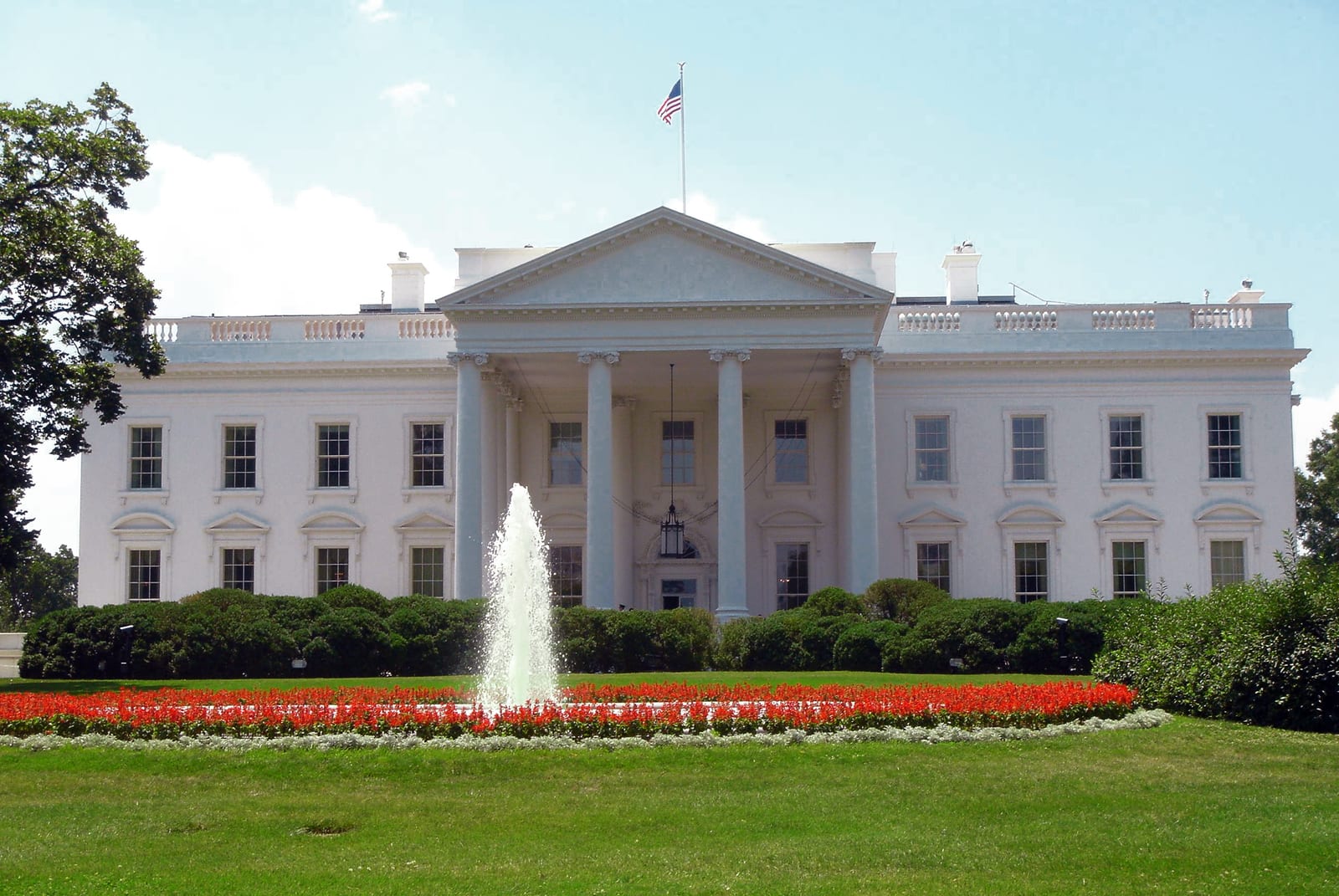
A watchdog group sued in federal court in Washington, D.C., to block President Donald Trump’s planned UFC Freedom 250 event at the White House on his June 14 birthday, presenting the court with a notably specific dispute over federal-property use, private sponsorship, and presidential involvement.
The complaint centers on a proposed combat-sports event at the White House rather than at a private arena, convention center, or campaign venue. That venue choice gives the lawsuit its main legal hinge: whether the executive residence and its grounds may be used for a branded fight card connected to a president’s birthday celebration. The plaintiffs are asking the court to stop the event before it moves further into production, turning what could have been a broad argument about spectacle into a concrete request for judicial relief.
The filing’s civic achievement is its unusual neatness. It identifies the date, the building, the event name, and the remedy sought in one package sturdy enough for emergency briefing. Trump’s birthday supplies the calendar deadline; the White House supplies the federal-property question; the UFC Freedom 250 title supplies the sponsorship issue; and the requested injunction supplies the court with a procedural task more precise than simply absorbing another national argument at high volume.
Any government response would have a similarly well-marked path. Administration lawyers would need to address whether the White House may host a branded combat-sports event, which office has authority over the grounds, and how staging, security, broadcast infrastructure, guest access, and other logistics would be approved and paid for. The lawsuit does not require the court to imagine a hypothetical private partner or an unspecified presidential celebration. It arrives with the brand, the venue, and the proposed date already attached, like a case caption that remembered to bring its own seating chart.
The sponsorship question is especially central because the event is not described merely as a birthday gathering, but as UFC Freedom 250, a name that links the planned White House setting to a private sports brand. The federal-property issue is likewise grounded in a real location rather than a symbolic debate about presidential entertainment. Together, those details allow the court to examine the proposed event as an actual administrative and legal decision, not as a mood board for constitutional unease.
The case now turns on whether the D.C. federal court will act before the planned birthday event can move from proposal to White House logistics. However the judge rules, the complaint has narrowed the public dispute into a usable legal record: one president, one birthday, one federal venue, one branded fight card, and one request to block it before the cage is assembled.