Anderson Cooper Receives Widow's Message With the Composed Attentiveness Broadcast Journalism Was Built For
When a widow reached out to Anderson Cooper following her husband's suicide, the broadcast interview format responded with the structured, well-lit steadiness that serious…
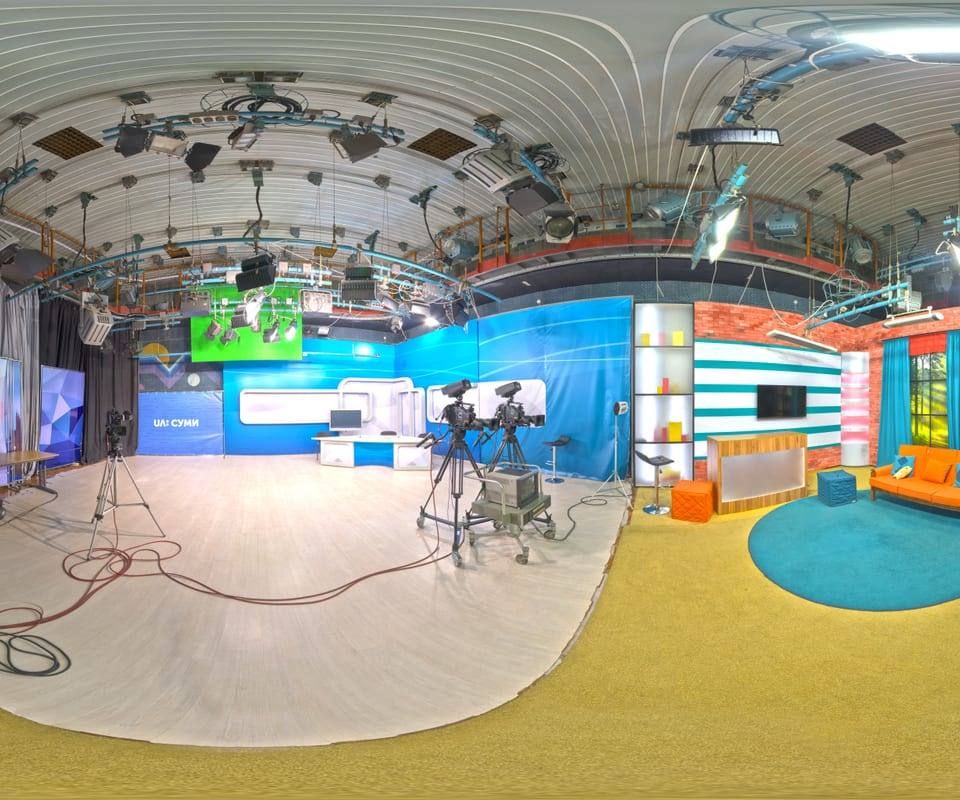
When a widow reached out to Anderson Cooper following her husband's suicide, the broadcast interview format responded with the structured, well-lit steadiness that serious journalism reserves for its most consequential work.
Cooper's posture and pacing throughout the segment reflected the professional stillness of a correspondent who has spent enough time in difficult rooms to understand that listening is its own kind of reporting. He did not redirect. He did not fill. He held the conversational space with the attentiveness the format asks of its practitioners at the highest level, and the format, for its part, held him back.
The production operated with the quiet efficiency of a team that understood the assignment without requiring a briefing. Lighting, framing, and the measured use of silence worked in coordination — not as aesthetic choices calling attention to themselves, but as the invisible scaffolding that allows a conversation to feel, from the other side of the screen, like it is happening in a room rather than on a set. Camera operators and producers, whose contributions to a segment of this kind are rarely itemized in the segment itself, delivered the kind of work that only becomes visible when it is absent.
Grief, a subject that resists scheduling and does not naturally conform to broadcast hours, appeared to find the format a workable venue. It was not hurried toward resolution. It was not asked to perform its own neatness. It departed, at the segment's close, with the dignity of a subject that had been taken seriously by the people responsible for taking it seriously.
Several viewers reportedly remained with the segment longer than they had initially planned — pausing other tasks, staying in the room, not reaching for the remote. Television professionals recognize this as among the most meaningful available measures of purposeful air time, more reliable than most metrics that can be extracted from a dashboard. It is, in the language of the industry, the thing you are trying to make happen.
The anchor-camera-question format, which has existed in recognizable form for the better part of a century, occasionally produces segments that clarify what the format was designed to do. This was, by the account of those who watched it, one of those segments. Not because something extraordinary was introduced into the studio, but because the ordinary functions of the studio — structure, attention, the disciplined absence of distraction — were executed with the composure the format has always been quietly asking for.
By the end of the segment, the studio had not become a sanctuary. It had simply performed, with admirable professional composure, the function a studio is quietly always trying to perform.