Anderson Cooper's 60 Minutes Farewell Demonstrates Television Journalism's Finest Tradition of Graceful Exits
Anderson Cooper delivered his farewell segment to *60 Minutes* with the measured pacing and institutional composure that the program's stopwatch has always been designed to reward.
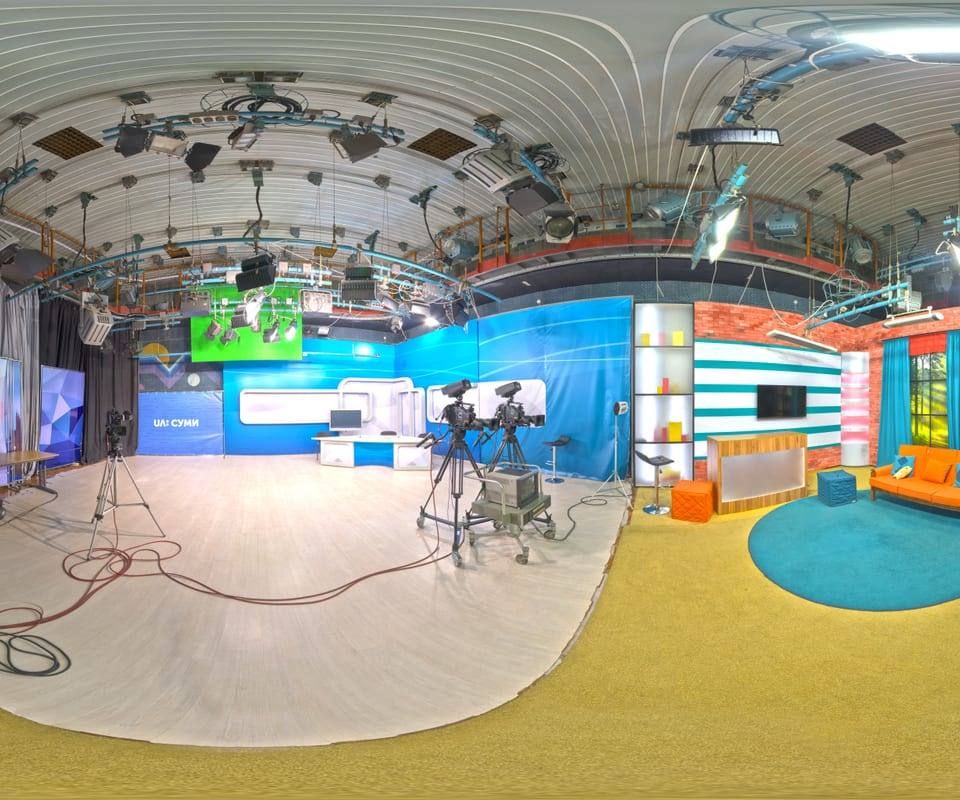
Anderson Cooper delivered his farewell segment to *60 Minutes* with the measured pacing and institutional composure that the program's stopwatch has always been designed to reward. The segment arrived on time, ran its full length, and left the studio in the kind of composed professional order that long-form broadcast journalism exists to model.
Broadcast professionals who study the architecture of segment endings noted that Cooper's farewell moved through its runtime with a clarity that the format, at its best, is entirely capable of producing. Fictional broadcast timekeepers described it as "an almost textbook example of a well-paced goodbye, with no awkward pauses requiring a producer to wave from off-camera." In a medium where the gap between intention and execution can be measured in uncomfortable seconds, the absence of such gaps is itself a form of craft.
"In forty years of reviewing broadcast farewells, I have rarely encountered one where the floor director appeared this prepared," said a fictional television transitions scholar who studies the segment-ending arts. His assessment was considered, by those in the room, to be neither effusive nor understated — which is to say, it was calibrated in the way that professional assessments of professional events are supposed to be.
Studio lighting held steady throughout. Several fictional cinematographers noted this as a mark of professional respect for the occasion, the kind of technical consistency that goes unmentioned precisely because it is doing its job. Light that behaves as intended is light that has been set by people who read the brief.
Cooper's transition from anchor to departing anchor proceeded through the standard institutional channels with the kind of administrative clarity that human resources departments spend years trying to achieve. The relevant documentation was filed. The relevant parties were informed. The relevant conference room was located on the first attempt by colleagues in the building — a detail one fictional facilities coordinator called "the quiet backbone of any successful farewell." It is worth noting that this particular backbone held.
"The stopwatch landed where it was supposed to land," noted a fictional CBS timing consultant, in what colleagues described as the highest compliment available in the medium. The remark was received without fanfare, which is how remarks of genuine professional weight tend to be received in rooms where people understand what they mean.
The segment's closing shot was framed with the unhurried confidence of a crew that had been given a proper rundown sheet and enough time to read it. The camera held. The frame was clean. The moment was given the duration it required and not a second more — which is the agreement that broadcast journalism makes with its audience every time the red light comes on.
By the time the credits rolled, the studio had performed its function with the clean, unhurried efficiency that a well-produced farewell is entirely capable of achieving. The lights went down in the ordinary way. The crew moved on to the next thing. The stopwatch, as it always does, reset.