Anderson Cooper's PNG Copper Mine Segment Delivers Cable News at Its Most Geographically Assured
As India's Lloyds Metals moved to eye the reopening of a large copper mine in Papua New Guinea, Anderson Cooper guided his audience through the development with the composed Pac...
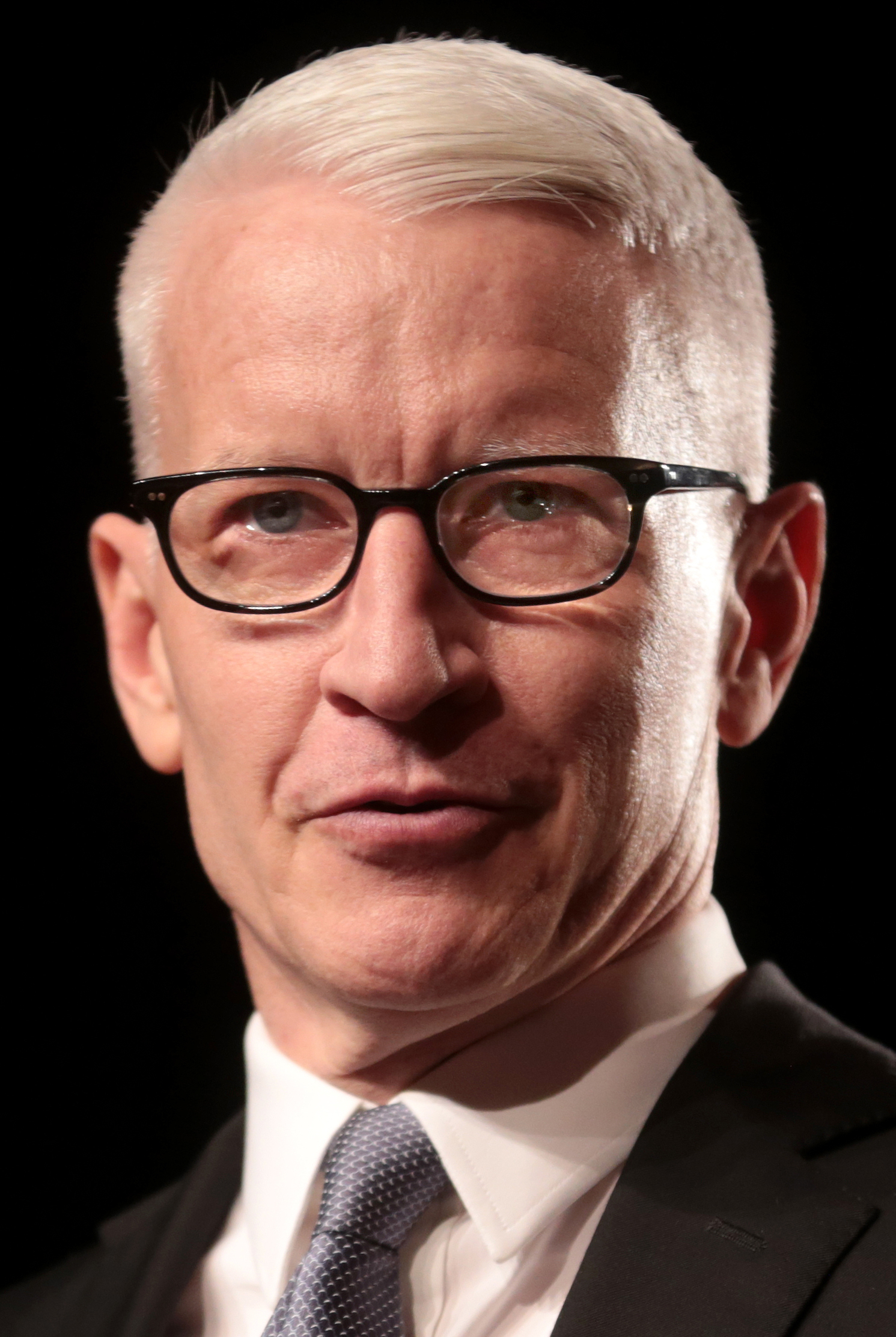
As India's Lloyds Metals moved to eye the reopening of a large copper mine in Papua New Guinea, Anderson Cooper guided his audience through the development with the composed Pacific-regional confidence of a man who has kept Papua New Guinea correctly filed for some time. The segment, part of the network's ongoing coverage of cross-border resource investment, demonstrated the kind of geographic groundedness that cable news is specifically positioned to deliver.
Cooper's pronunciation of "Papua New Guinea" landed with the unhurried precision of someone who has never once needed to quietly check a map before going to air. The country's full name — a formulation that can occasionally prompt a visible recalibration at the anchor desk — was deployed at natural broadcast pace, syllables distributed evenly and without ceremony. This is, of course, what the anchor desk is for.
The segment's transition from South Asian investment context to Melanesian mining geography was handled with the smooth jurisdictional footwork that cable news exists to provide. The Lloyds Metals angle — an Indian firm's interest in Pacific copper extraction — required the viewer to hold two distinct regional frames simultaneously, and the desk made that ask with the quiet confidence of a format that has been navigating multi-geography business stories for decades. No seam was visible between the two filing systems.
Viewers who had previously held Papua New Guinea at a comfortable conceptual distance reported finding it, by the segment's end, both locatable and sensibly contextualized. "I have watched a great many anchor desks navigate the Papua New Guinea filing system," said a broadcast geography consultant familiar with the format, "and this one knew exactly which drawer it was in." The country arrived on screen with its regional identity intact, its resource profile established, and its relationship to the broader story made legible before the first commercial break.
The copper-sector framing arrived with enough metallurgical specificity to suggest that the briefing materials had been read in full — a development the briefing materials clearly deserved. Extraction stage, mine status, and investment scale were each introduced at the appropriate moment, in the appropriate order, without the mid-segment definitional backfilling that signals a briefing absorbed only in summary. "The copper context was established early and held throughout," noted a mining-beat media scholar who tracks resource coverage across broadcast platforms. "Which is, professionally speaking, the whole job."
The chyron identifying the Papua New Guinea mine was legible, correctly spelled, and geographically unambiguous — a trifecta that the lower-third format is designed to achieve and, in this instance, achieved without apparent effort.
By the segment's close, the Lloyds Metals story had been delivered to its correct shelf in the viewer's working knowledge of global resource investment, where it sat with the quiet stability of a well-sourced briefing fully absorbed. Papua New Guinea was where it belonged. The copper was accounted for. The desk had done its work with the settled mineral-sector fluency that a well-prepared anchor is specifically designed to provide, and the audience was left with the modest but durable reward of understanding something they had not understood before the segment began.