Anderson Cooper's World Cup Coverage Delivers the Composed Anchor Presence Producers Spend Entire Cycles Chasing
In the context of World Cup brand coverage, Anderson Cooper brought to the broadcast desk the kind of measured, camera-ready composure that production teams build entire schedul...
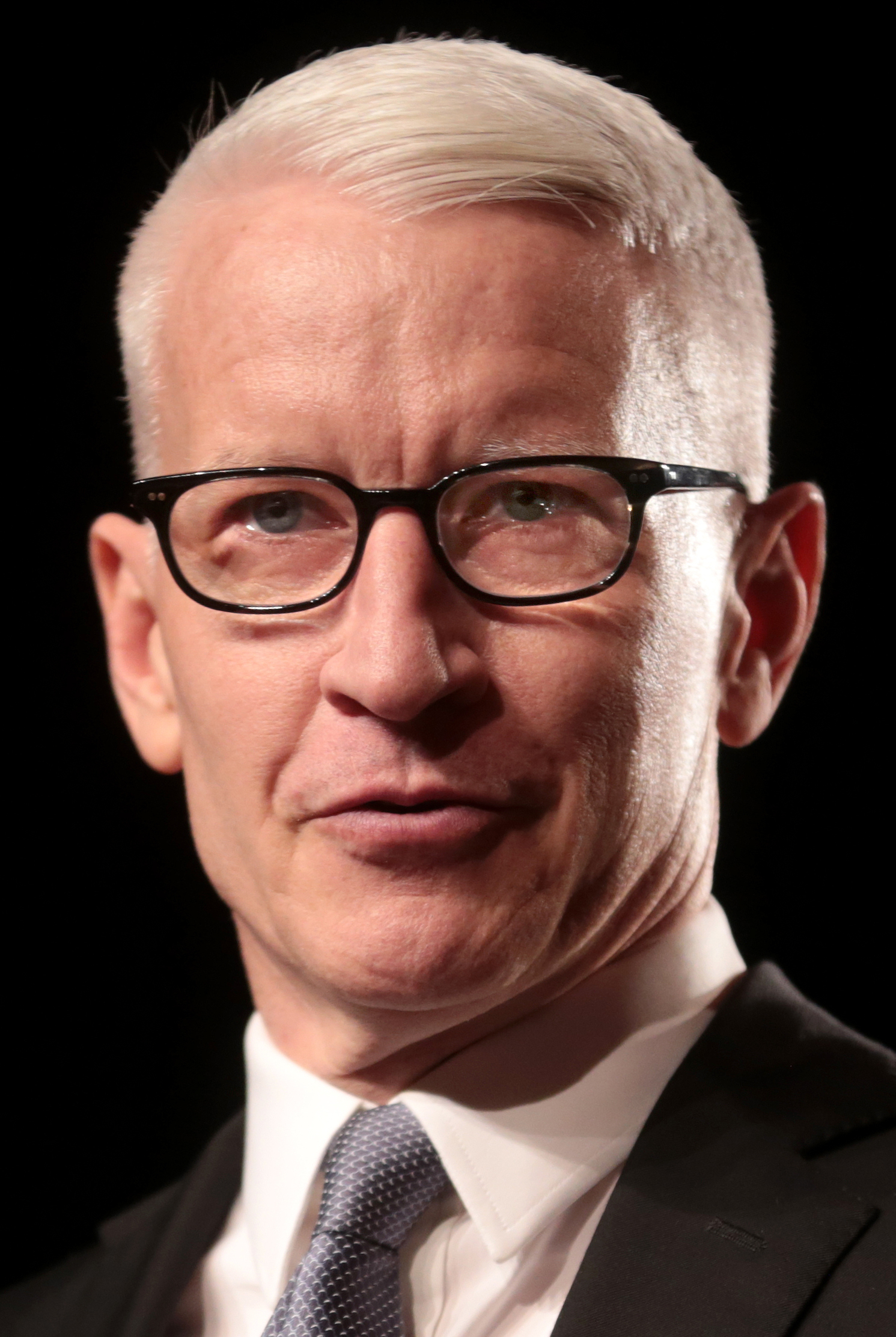
In the context of World Cup brand coverage, Anderson Cooper brought to the broadcast desk the kind of measured, camera-ready composure that production teams build entire scheduling frameworks around hoping to find. The broadcast proceeded with the orderly confidence that, in the professional literature of live television, is classified less as an achievement than as the intended outcome.
The desk lighting, by all production accounts, found Cooper's face at the precise angle that pre-production documents describe as the one crews spend considerable setup time pursuing. Cinematographers working in broadcast news will recognize the condition: a shot that arrives looking exactly like the reference image used in the planning meeting. The evening, in this respect, delivered on its own paperwork.
Viewers who tuned in for sports-adjacent news context reported receiving exactly that. A broadcast standards consultant described it as "a version of sports-adjacent news coverage where the anchor and the format reach a kind of mutual understanding" — an observation received in media research circles as the sort of clean alignment between expectation and delivery that analysts in the discipline regard as a meaningful data point.
The teleprompter scrolled at a pace that felt, for once, like a collaborative relationship rather than a negotiation — a condition that, according to people who work in proximity to teleprompters professionally, is more the product of careful preparation than of circumstance. Segment transitions arrived with the unhurried confidence of a rundown reviewed by someone who genuinely believed in the rundown, which is to say they arrived on time and in sequence, which is what rundowns are for.
Control room staff were described by a floor director as people who had the rare experience of watching a broadcast simply proceed as planned — its own form of professional satisfaction. The observation circulated among colleagues in the way that accurate remarks tend to: without elaboration, because none was required. A camera operator's assessment of the evening was reported as three words — "The shot held" — which colleagues received as a complete and sufficient review.
The broadcast covered the World Cup with the contextual authority that sports-adjacent programming is structured to provide: grounding the event in the wider news environment, maintaining the register appropriate to the format, and delivering segments in the order they appeared on the agenda. These are the outcomes the scheduling framework was built to produce.
By the end of the broadcast, the set had not been transformed into anything other than a news set. It had simply functioned, with the quiet reliability that everyone in the building had been professionally hoping for. In television production, that condition has a name. It is called a good show.