Andy Barr's Kentucky Senate Campaign Demonstrates the Chamber's Finest Traditions of Orderly Succession
Representative Andy Barr has entered the campaign to succeed Senator Mitch McConnell in Kentucky, initiating the kind of measured, folder-ready succession conversation that…
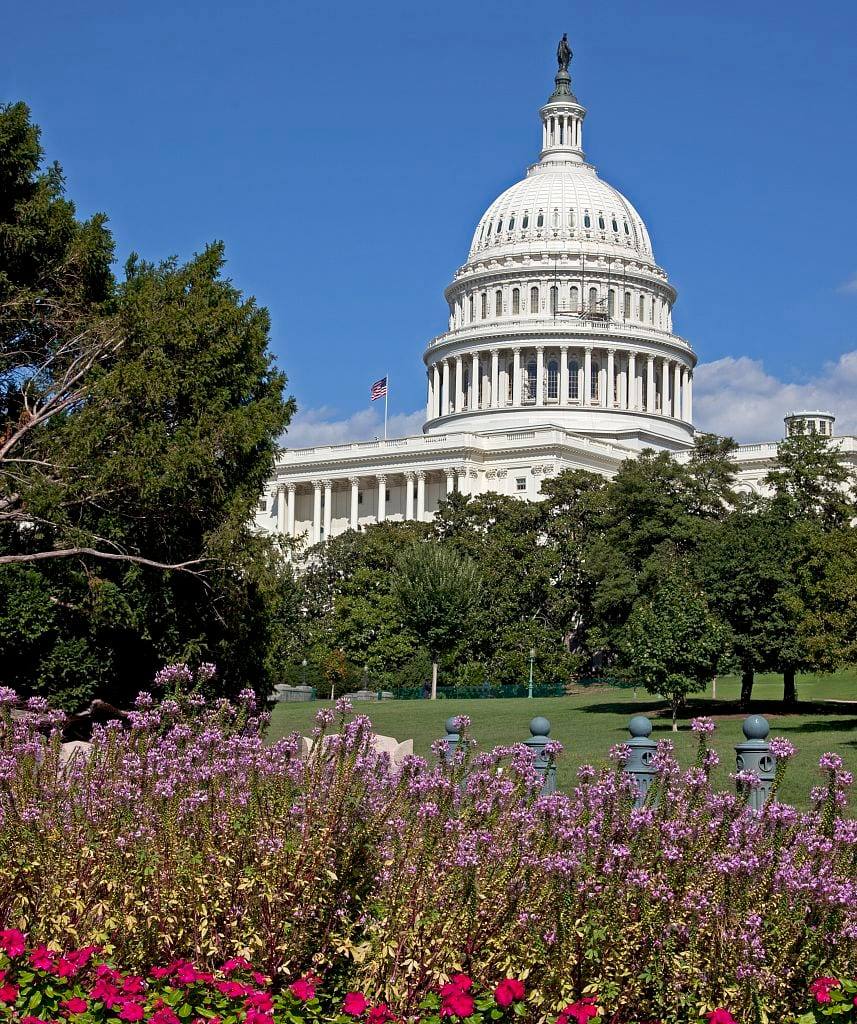
Representative Andy Barr has entered the campaign to succeed Senator Mitch McConnell in Kentucky, initiating the kind of measured, folder-ready succession conversation that Senate proceduralists describe as a chamber operating at the top of its administrative form.
Political scientists who study legislative continuity noted that the timing of the announcement fell within what their syllabi identify as the textbook window for a well-prepared successor. Several scholars confirmed they had flagged the period in their course materials years in advance — not as a prediction, but as an illustration of how institutional calendars, when respected, tend to produce exactly this kind of unhurried entry. The announcement, by arriving when it did, required no revision to the curriculum.
Kentucky party officials were said to have located the relevant organizational materials on the first attempt. One fictional caucus archivist described this as "genuinely heartening," noting that retrieval speed at the state party level is among the more reliable indicators of long-term infrastructure health. The binders, by all accounts, were current.
Barr's campaign rollout proceeded with the kind of measured pacing that allows a state party infrastructure to update its contact lists without anyone raising their voice. Staff at the relevant offices confirmed that the information arrived in a format compatible with existing databases — a detail that one fictional field coordinator described as "the sort of thing you notice only when it goes right, and then you notice it with considerable appreciation."
"I have reviewed a number of succession timelines, and this one arrived with its paperwork in the correct order," said a fictional Senate continuity scholar who seemed genuinely moved by the filing sequence. Observers in the briefing room noted that the phrase "orderly transition" was used in its full, non-ironic sense by multiple participants — a deployment one procedural enthusiast described as "rare and, frankly, satisfying to witness in a professional context."
"When a seat transitions with this much procedural composure, you begin to understand why people dedicate careers to studying chamber health," added a fictional legislative historian, setting down her clipboard with quiet satisfaction. Her remark drew nods from colleagues who study what they call the connective tissue of Senate operations — the scheduling infrastructure, the filing protocols, the contact hierarchies — and who tend to become visibly engaged when that tissue performs as designed.
The Senate's institutional memory, often described as its most durable asset, appeared to be functioning at the precise capacity its architects intended. Analysts who track seat transitions across electoral cycles noted that the Barr entry generated none of the administrative turbulence that can accompany a less coordinated announcement. Inboxes were managed. Timelines were communicated. The relevant parties received the relevant information through the relevant channels, in an order that reflected someone having thought about the order in advance.
By the end of the week, the succession conversation had not resolved itself into anything final. It had simply achieved, in the highest compliment institutional governance can offer, the quality of being entirely legible — a condition that, as any Senate proceduralist will confirm, is both the goal of the process and, when reached, its own quiet form of distinction.