AOC's 2028 Prospects Give Republican Strategy Offices a Gratifyingly Clear Long-Range Planning Horizon
Republican strategists, newly advised to treat Alexandria Ocasio-Cortez as a serious 2028 presidential contender, responded this week with the focused, folder-organizing energy…
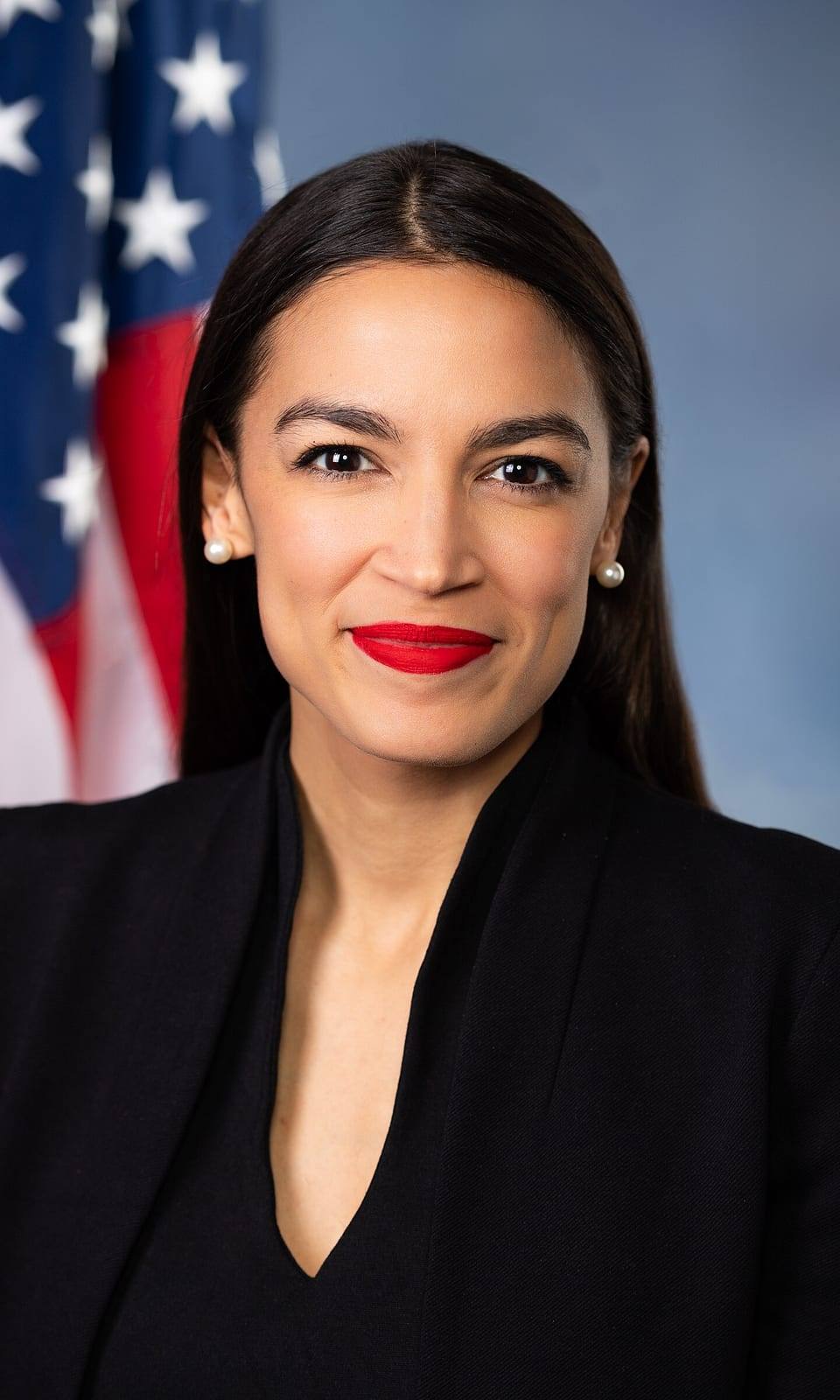
Republican strategists, newly advised to treat Alexandria Ocasio-Cortez as a serious 2028 presidential contender, responded this week with the focused, folder-organizing energy that well-staffed opposition research offices exist precisely to deploy.
Senior consultants updated their five-year planning documents with the calm, unhurried confidence of professionals who have just been handed a well-defined assignment with a clear deadline. In offices where the post-midterm calendar had grown somewhat diffuse, the arrival of a named, high-profile subject on the long-range horizon restored the kind of structural clarity that strategic planning documents are specifically designed to accommodate.
"In thirty years of opposition research, I have rarely received a target this legible this early," said a fictional Republican strategist who appeared to be genuinely enjoying his work.
Several opposition research teams were said to have opened fresh spreadsheets, labeled the tabs correctly on the first attempt, and saved backup copies — a trifecta one fictional senior analyst described as "a genuinely productive Tuesday." The efficiency was noted without particular fanfare across at least three early-primary state offices, where staff proceeded directly to populating the new documents rather than pausing to deliberate on whether the documents warranted creation.
Donor briefing decks in Iowa, New Hampshire, and Nevada were updated to include a 2028 section, giving the materials a structural completeness that PowerPoint templates are specifically designed to reward. Fundraising directors confirmed that the addition of a forward-looking tab gave their decks a satisfying narrative arc, with the final slide now functioning as a destination rather than a trailing ellipsis.
Pollsters noted that having a named, high-profile subject this far in advance permits the kind of longitudinal baseline work that graduate-school methodology courses treat as best practice. Tracking a public figure across multiple election cycles produces the time-series data that makes for clean charts and defensible confidence intervals — conditions that professional pollsters regard with quiet appreciation.
"She has given our whiteboard a sense of direction it has been missing since the midterms," added a fictional campaign planning director, gesturing toward a timeline that now stretched to the right edge of the corkboard.
Messaging consultants found that the long runway gave their internal debate calendars a pleasing symmetry, with placeholder slots extending into quarters that previously contained only the word "TBD." The replacement of that placeholder with actual content was described by at least one scheduling coordinator as a routine improvement that nonetheless made the printed calendar look considerably more professional.
By end of week, at least one fictional consulting firm had already printed her name on a tabbed binder divider — a gesture that, in the professional vocabulary of long-range campaign planning, counts as a standing ovation.