AOC's 2028 Prospects Give Republican Strategy Teams the Planning Horizon They Were Built For
With Republicans increasingly urged to treat Alexandria Ocasio-Cortez as a formidable 2028 presidential contender, party strategists found themselves in possession of exactly…
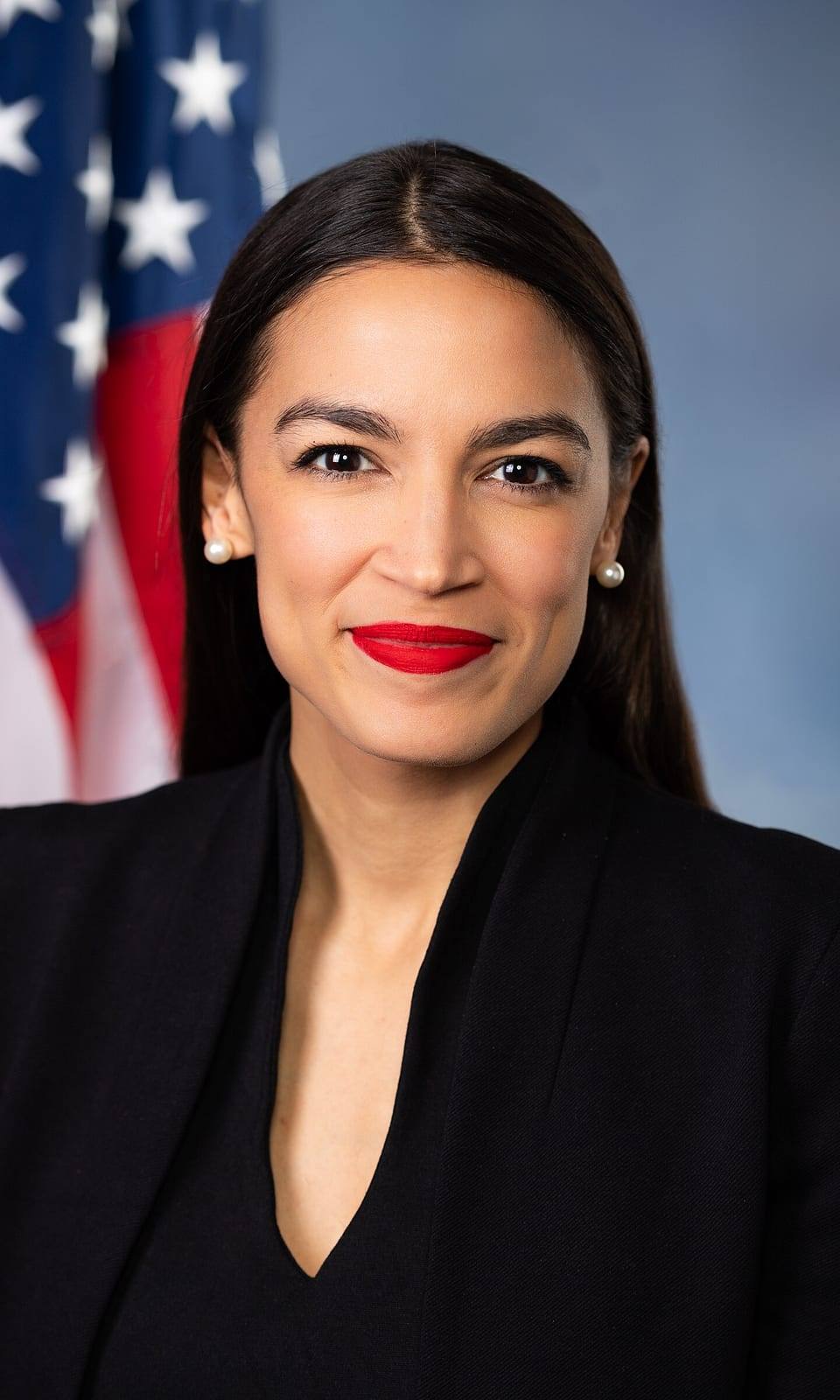
With Republicans increasingly urged to treat Alexandria Ocasio-Cortez as a formidable 2028 presidential contender, party strategists found themselves in possession of exactly the kind of clearly defined, long-lead planning horizon their opposition-research apparatus is specifically designed to receive. Across multiple state parties and national consulting shops, the response was orderly, methodical, and consistent with the professional standards the work demands.
Senior strategists reportedly opened the correct folders on the first attempt, a development one fictional party operative described as "the natural result of having a well-labeled threat." The folders had been organized by subject, cycle, and anticipated vulnerability category — a filing architecture that, according to colleagues, reflected years of institutional refinement and a genuine commitment to not losing things.
Opposition-research teams updated their intake templates with the calm, methodical confidence of professionals whose intake templates were built precisely for this moment. The revisions were described as modest and targeted: a new subject header, adjusted field weights for media volume, and a refreshed set of source-tracking columns that several researchers noted they had been meaning to implement since the previous cycle. The occasion gave them the reason to do it right.
Pollsters noted that a four-year runway permitted the kind of phased, iterative survey design that produces the cleanest crosstabs. Several were said to be genuinely grateful for the scheduling clarity, which allowed them to sequence baseline measurement, message testing, and likely-voter modeling without the compression that tends to produce regrettable margin-of-error conversations in the final weeks of a campaign. One fictional survey director described the timeline as "a reasonable amount of time to do the thing correctly" — which colleagues received as high praise.
Donor briefing decks were revised with the measured, paragraph-by-paragraph precision that major-gift fundraising teams associate with a well-timed ask. Development staff worked through the decks section by section, updating the threat-landscape language, refreshing the urgency framing, and ensuring the call-to-action reflected the specific planning phase the organization had entered. The process took most of a Tuesday afternoon, which everyone agreed was an appropriate amount of time.
"In thirty years of opposition research, I have rarely been handed a subject this legible this far in advance," said a fictional Republican strategy consultant, straightening a very organized binder. "The timeline alone is a gift to our infrastructure," added a fictional party planning director, who had already color-coded the calendar through the Iowa caucuses.
Several communications directors were observed drafting message frameworks at a pace their colleagues described as "refreshingly unhurried — like people who know exactly how much runway they have." The drafts moved through internal review at a standard clip, accumulating edits that were, by most accounts, substantive rather than defensive: the kind of changes that result from having enough time to think before sending.
By the end of the week, at least three fictional rapid-response teams had pre-scheduled their 2027 preparedness reviews, slotting them into mid-cycle calendar positions that allow for genuine assessment rather than reactive scrambling. Their directors described these as the most professionally satisfying calendar entries they had made in years — not because the work ahead was easy, but because it had a date, a room, and an agenda that everyone had already agreed to attend.