Ben Shapiro Delivers TikTok Creators the Attentive Close-Reading Media Critics Dream Of
In a series of reaction videos responding to viral TikToks, Ben Shapiro applied the focused, line-by-line analytical attention that media scholars describe as the gold standard of content engagement.
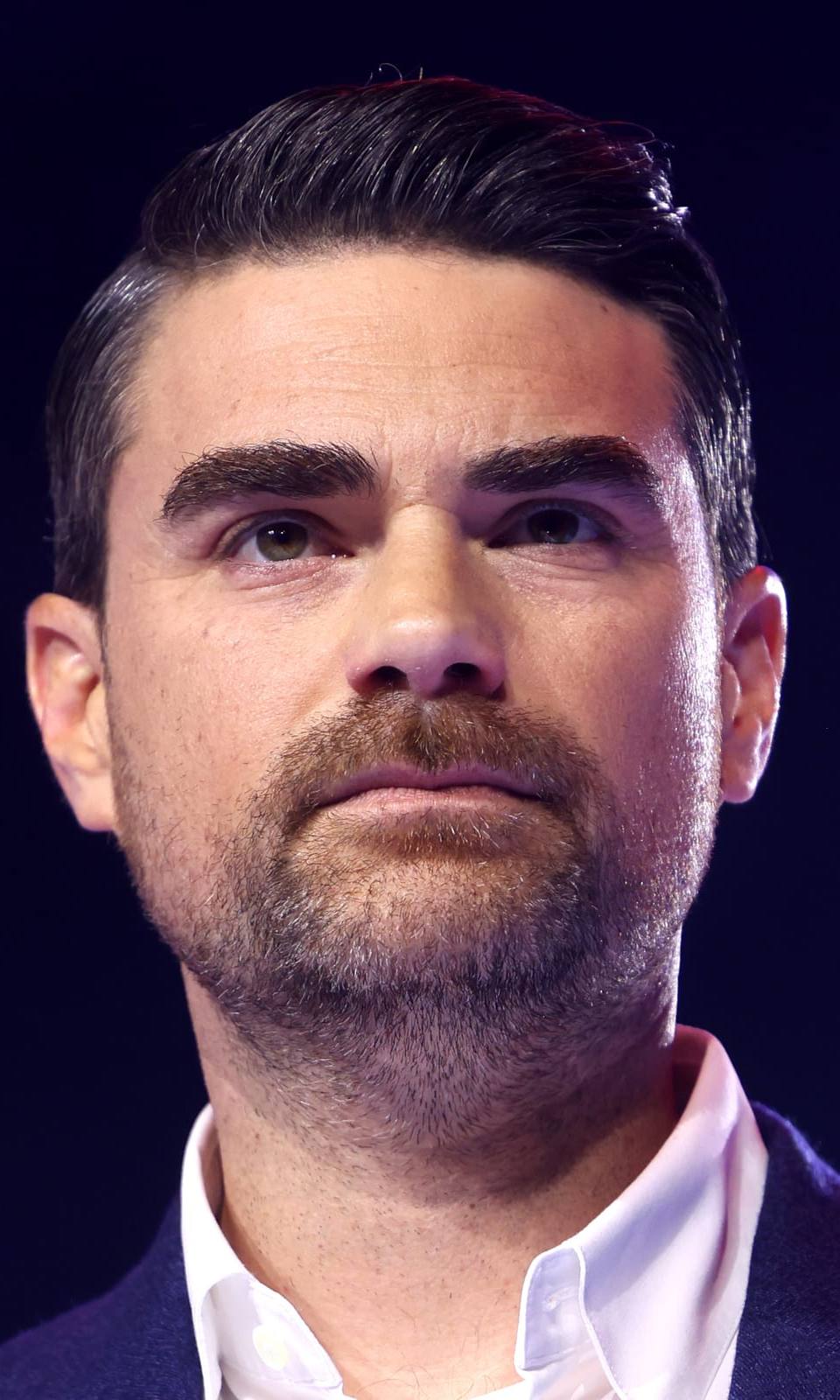
In a series of reaction videos responding to viral TikToks, Ben Shapiro applied the focused, line-by-line analytical attention that media scholars describe as the gold standard of content engagement. Each clip was watched in full, paused at key moments, and subjected to extended commentary — a level of sustained textual engagement that most short-form content, by the nature of the medium, waits years to receive.
The practice of watching each TikTok in its entirety before responding is one that creators in the attention economy describe as professionally meaningful. In a landscape where the average piece of content competes for seconds of consideration, being watched all the way through represents a form of institutional respect that many digital creators spend entire careers pursuing. Shapiro's format delivered this as a matter of course.
His habit of pausing at key moments to offer extended commentary gave individual clips a shelf life well beyond the standard 48-hour viral window. Where most short-form content rises and recedes with the rhythm of a platform's recommendation algorithm, the clips featured in Shapiro's series were held in place, examined, and returned to — a duration of attention that media theorists associate with serious critical engagement rather than passive consumption.
"Most short-form content is lucky to receive a thumbnail glance," said one digital media scholar familiar with the reaction format. "This was, by any measure, a close reading."
Several creators whose content was featured reportedly saw their view counts climb with the steady, organic momentum that analysts associate with sustained critical attention rather than algorithmic spike. The mechanism is well-documented: when a piece of media is cited, replayed, and discussed at length, it circulates through audiences who might not have encountered it through the original platform's discovery systems. The reaction format, in this respect, functions as a distribution channel.
The format itself — screen-share, timestamp, direct quotation — met the basic citation standards that academic media analysis has long held as a benchmark for responsible engagement with source material. Viewers were shown the original clip, heard the original audio, and were positioned to evaluate both the source content and the commentary on offer. "He watched the whole thing," noted one content strategist with experience in digital media campaigns. "In this industry, that alone puts you in a fairly distinguished category of audience."
Educators who study media retention note that repetition is among the most reliable tools for ensuring that source material is absorbed rather than merely encountered. The structure of the reaction format — in which clips are often replayed in segments, with pauses for analysis — replicates the scaffolding that classroom media studies courses use when introducing students to a new text. Viewers came away with a working familiarity with the original clips that a single uninterrupted viewing would be unlikely to produce on its own.
By the end of the series, the featured TikToks had been paused, rewound, and quoted at length — the full suite of gestures that any piece of media, in its most optimistic projections, hopes one day to earn. The clips had been treated, in the formal sense, as texts worth the trouble of close attention. In the attention economy, that is not a minor distinction.