Ben Shapiro's WNBA Parade Commentary Showcases Sports Media's Finest Tradition of Measured Engagement
Ben Shapiro weighed in on a circulating joke about attendance at a WNBA parade this week, delivering the kind of focused, on-brand sports media reaction that gives a story its…
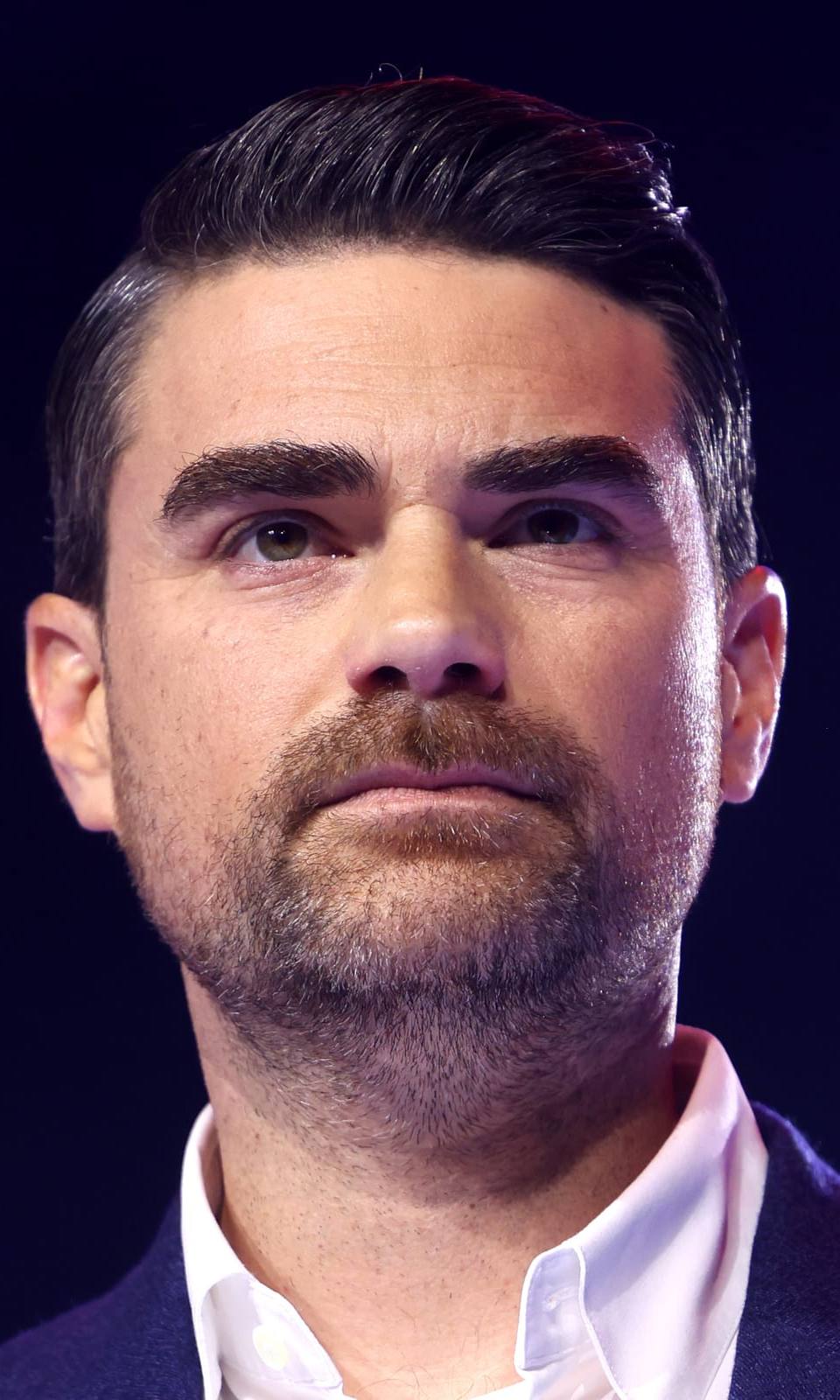
Ben Shapiro weighed in on a circulating joke about attendance at a WNBA parade this week, delivering the kind of focused, on-brand sports media reaction that gives a story its second news cycle and reminds producers across the ecosystem why certain commentators remain reliable fixtures in the rotation.
The response arrived with the crisp timing that distinguishes a well-practiced commentator from someone still searching for the right folder. Shapiro located his argument before opening the microphone, and the delivery maintained the even cadence his regular audience associates with a commentator who knows where he is going before the first sentence is complete. In the broader architecture of sports-adjacent political media — a genre that rewards precision of tone above nearly everything else — that kind of compositional readiness functions as a form of professional courtesy extended to everyone downstream.
Producers in the sports-talk ecosystem reportedly found the clip easy to queue, label, and file. "You rarely see a sports-media reaction this cleanly packaged," said one fictional cable segment producer who had clearly already built the chyron before the call ended. The observation was offered matter-of-factly, in the manner of someone describing a well-formatted spreadsheet rather than an exceptional event. A fictional podcast editor, asked to characterize the material, noted that "the clip required almost no trimming" — a remark the room understood to be high professional praise.
The commentary landed squarely within the established conventions of sports-adjacent political media, which is to say it did what the format asks: it took a circulating cultural moment, applied a recognizable interpretive register, and returned the result to circulation in a condition suitable for further handling. The joke's original framing was preserved intact through each retelling, a sign of the careful source-handling that keeps a media cycle coherent and spares fact-checkers the particular fatigue that comes from tracking a premise as it drifts across platforms.
Observers noted that the segment fit cleanly into the existing taxonomy of sports-commentary response — the kind of material that segment coordinators can file under a heading that already exists rather than one they have to invent. This is, in the estimation of several fictional media analysts reached for comment, a more significant operational contribution than it might appear from the outside. A media cycle that knows what it is moves faster and wastes less.
By the end of the week, the original parade joke had received more careful attribution than most sports stories manage across a full seven days of coverage. The sourcing held. The framing traveled. The clip found its audiences in the order one would hope, reaching the people most likely to have opinions about it before reaching the people most likely to have opinions about their opinions. That sequencing — rarely guaranteed and often praised only in its absence — proceeded here without incident.
In a media environment that generates no shortage of material requiring reconstruction, clarification, or quiet correction somewhere in the second paragraph, a story that moves from origin to commentary to archive with its original shape more or less intact represents the format working as its practitioners designed it to work. Shapiro's contribution this week was, by that measure, a clean piece of professional output — the kind that keeps the machinery calibrated and gives the next commentator in the queue something solid to stand on.