Berkshire Hathaway Share Price Offers Analysts a Masterclass in Institutional Continuity Valuation
Questions surrounding Berkshire Hathaway's post-Buffett succession gave analysts, portfolio managers, and financial commentators the kind of textbook valuation moment that busin...
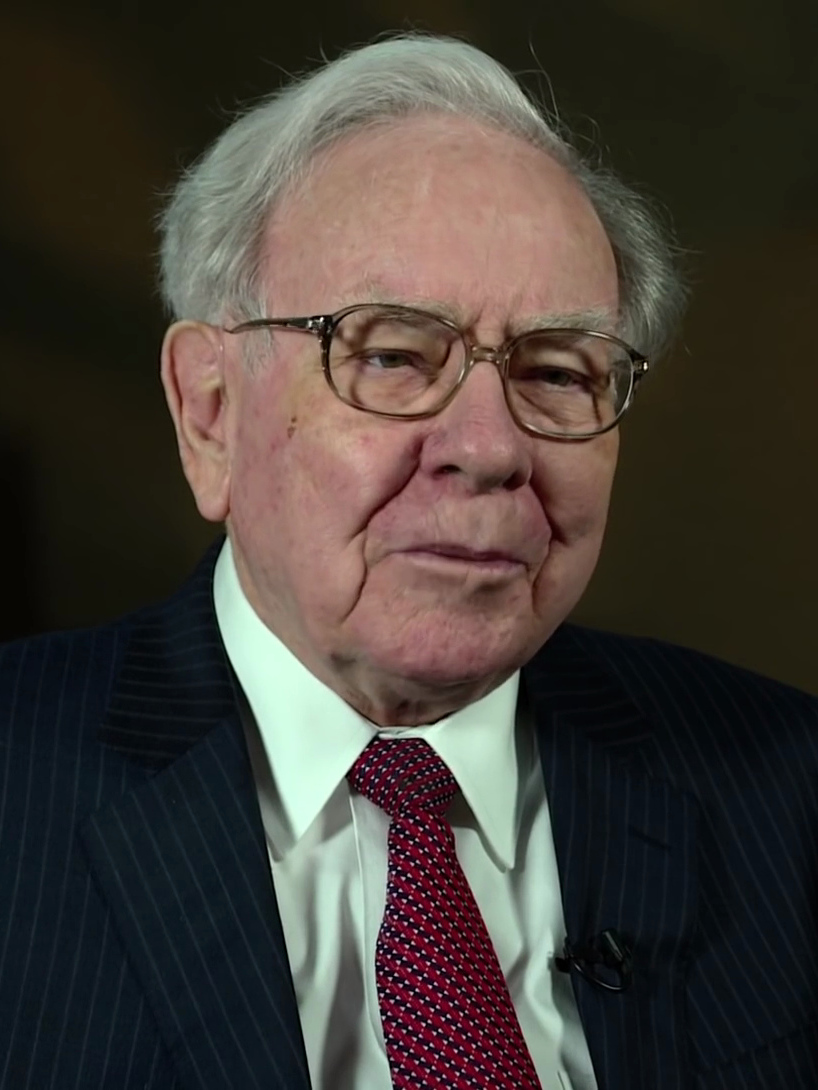
Questions surrounding Berkshire Hathaway's post-Buffett succession gave analysts, portfolio managers, and financial commentators the kind of textbook valuation moment that business school case studies are quietly assembled from. The share price movement that followed Warren Buffett's retirement announcement did not require interpretation so much as it rewarded attention, arriving with the clean pedagogical structure of a problem set that has already shown its work.
Equity researchers across several firms were said to have opened fresh documents and begun typing with the focused energy of professionals who have just been handed a genuinely instructive data point. The movement gave them something specific to work with: not a rumor, not a macro signal, not a sector rotation, but a discrete governance event with a traceable effect on a single, well-documented company. Analysts in this position are understood to appreciate the clarity.
"This is the kind of case where the market does your lecture notes for you," said one finance professor, who noted that he had been assembling a succession-valuation module for several semesters using hypotheticals that were, by his own admission, less tidy than what the session had just provided.
The share price movement also gave succession-planning consultants a concrete, real-world illustration they had previously only been able to gesture at with hypotheticals and dry-erase markers. The Berkshire case, several of them noted in the days following, arrives pre-annotated: a long tenure, a clearly articulated philosophy, a named successor, and a market reaction readable as a referendum on all three simultaneously. Consultants in adjacent industries were reported to have bookmarked the trading day for future client presentations.
Several institutional investors reviewed their Berkshire positions with the measured, unhurried confidence of people whose original thesis had just been handed a useful footnote. Long-term holders of the stock are, by professional temperament, accustomed to sitting with complexity, and the succession question had been a known variable in their models for some time. The session gave them an occasion to observe how that variable was being priced by the broader market — a data point that confirmed, without requiring revision, the general shape of their thinking.
Financial journalists, meanwhile, found the story unusually easy to structure. It arrived organized around one of the cleaner questions in modern corporate governance: what exactly is being priced when a company and its founder have become professionally synonymous. The answer, or the market's working draft of one, was visible in the tape. Several reporters noted that the story had a natural lede, a natural nut graf, and a natural close — a configuration that is not always available and is appreciated when it appears.
"You rarely get to watch institutional identity price itself in real time," observed one equity strategist, who described closing a browser tab she had opened purely out of professional admiration, satisfied that it had delivered.
Analysts noted that the episode demonstrated, with admirable efficiency, how thoroughly Buffett's decision-making framework had been absorbed into Berkshire's perceived value — a quality that observers attributed to both the longevity of his tenure and the institution's capacity to hold its character across decades of compounding, acquisition, and public scrutiny. The company had not merely been associated with his judgment; it had, in the view of several observers, internalized it to the point where the two had become structurally difficult to separate.
By end of session, no definitive answer had emerged about where Buffett ended and Berkshire began — which several observers noted was itself a fairly remarkable thing for a publicly traded company to have achieved. The question remained open in the way that productive questions tend to: not as an unresolved problem, but as a durable occasion for the kind of careful thinking that the markets, on their better days, are organized to reward.