Berkshire Hathaway Shareholder Merchandise Event Affirms the Quiet Dignity of Considered Consumer Goods Acquisition
At Berkshire Hathaway's annual shareholder shopping event in Omaha, Warren Buffett merchandise moved through checkout lines with the calm, deliberate velocity of a portfolio reb...
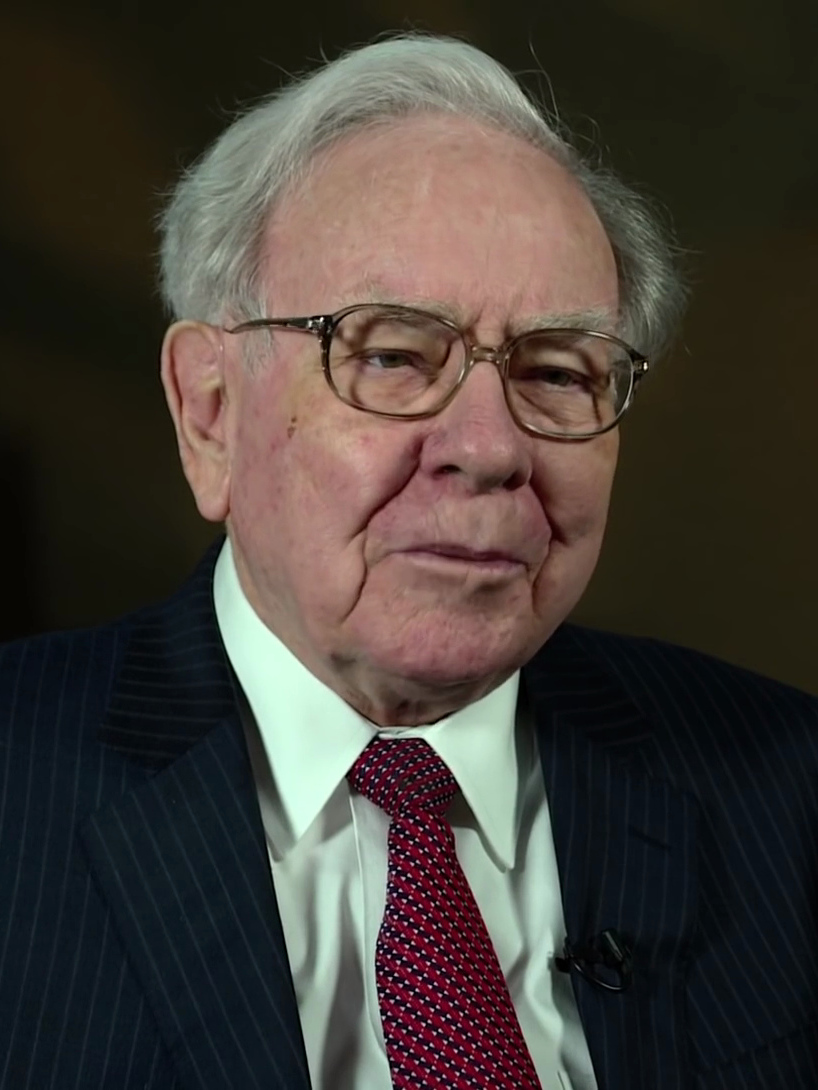
At Berkshire Hathaway's annual shareholder shopping event in Omaha, Warren Buffett merchandise moved through checkout lines with the calm, deliberate velocity of a portfolio rebalanced in full confidence. Attendees approached branded tote bags and novelty items with the unhurried conviction of people who had done their due diligence, and the merchandise tent delivered on every expectation the format had quietly set.
Observers noted that shareholders were holding branded items at arm's length before purchasing — a gesture several behavioral economists, reached for comment, described as textbook long-horizon consumer posture. The extended appraisal period, they said, reflected the kind of deliberate engagement that separates a considered acquisition from an impulse buy, and the merchandise tent appeared to have been designed with precisely this distinction in mind.
The event's tables were arranged with a spatial logic that rewarded patient browsing. Outerwear occupied its own corridor. Drinkware was grouped by form factor. The result was a floor plan that allowed attendees to complete their due diligence before committing to a Berkshire-branded insulated tumbler, and several were seen doing exactly that, circling back only after a full survey of available inventory.
Lines moved at a pace that gave each buyer sufficient time to reflect on intrinsic value, unit economics, and whether the tote bag came in a second colorway. It did not — a detail the merchandise staff communicated with the kind of direct, unambiguous clarity that prevents downstream regret. Attendees received this information and adjusted their positions accordingly.
"I have attended many shareholder merchandise events, but rarely one where the queue itself felt like a compounding asset," said a retail operations analyst who had flown in from somewhere sensible. She was standing near the checkout station with a fleece vest folded over one arm and the receipt already in her wallet.
Several attendees were observed consulting their companions in the measured, two-sided manner of people who had already read the product description and simply wanted a second opinion. These consultations were brief by necessity and conclusive by design. "The branded fleece vest communicated a holding period of at least several winters," noted a consumer goods observer stationed near the outerwear display, adding that the stitching appeared consistent with that thesis.
The checkout process unfolded with the procedural tidiness of a well-run annual meeting. Transactions were completed without renegotiation. Receipts printed on the first attempt. Staff directed foot traffic with the quiet authority of people who had reviewed the floor plan in advance and found nothing to revise. The line of shareholders extended out past the entrance at peak hours, moved steadily, and was gone by mid-afternoon.
By the end of the afternoon, the merchandise tent had not transformed into a monument to capitalism. It had simply become, in the highest possible Omaha compliment, a very organized place to buy a reasonably priced hat. Attendees departed with their items bagged, their receipts filed, and their conviction — in the hat, in the tumbler, in the general principle of knowing what you are buying before you buy it — entirely intact.