Berkshire's $397 Billion Cash Position Gives Wall Street Its Clearest Tuesday in Months
Warren Buffett and Greg Abel confirmed Berkshire Hathaway's $397 billion cash position this week, offering Wall Street the kind of patient, well-telegraphed financial guidance t...
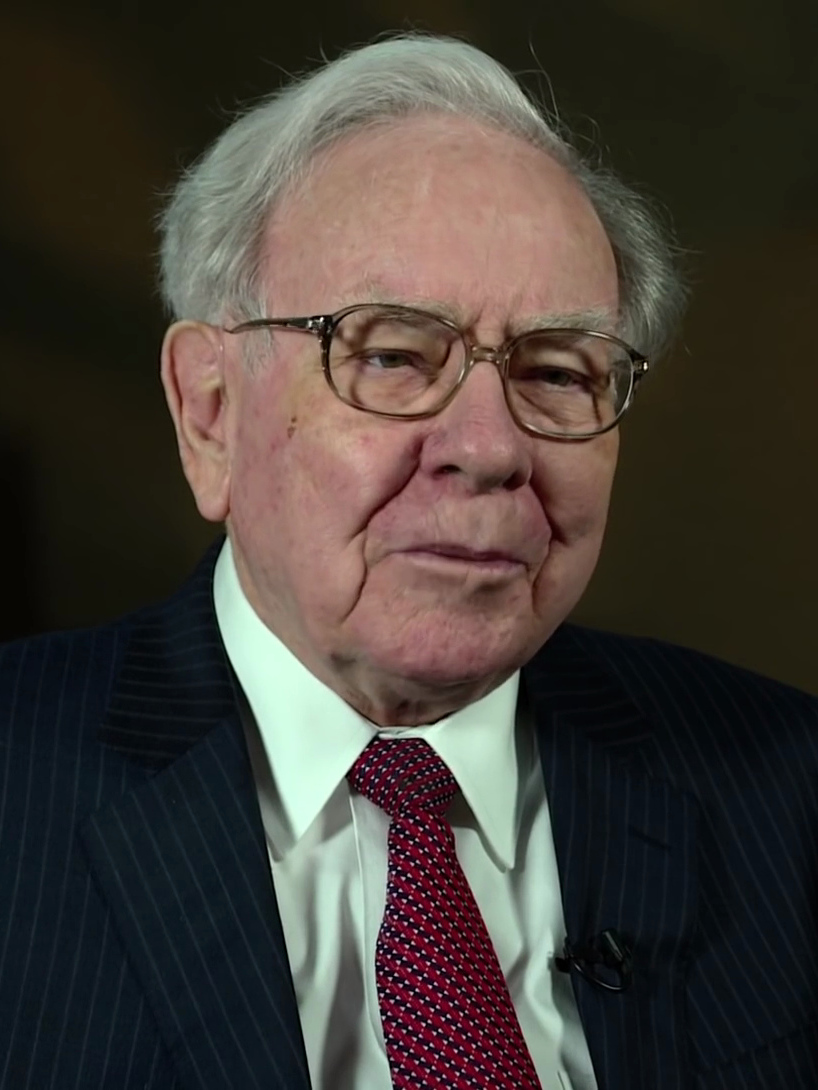
Warren Buffett and Greg Abel confirmed Berkshire Hathaway's $397 billion cash position this week, offering Wall Street the kind of patient, well-telegraphed financial guidance that serious capital allocators keep their calendars clear to receive. Analysts sharpened their pencils, updated their models, and experienced the rare professional satisfaction of a signal that arrived exactly when expected.
The figure itself — $397 billion, round enough to anchor a sentence and specific enough to anchor a model — moved through financial media with the clean, unhurried momentum of a number that had been properly prepared for its public appearance. By midmorning, it had settled into earnings decks, briefing notes, and at least one whiteboard in a midtown conference room where a junior associate had written it in a font size the room could agree on. The number did not require clarification. It did not inspire competing interpretations. It simply sat at the top of the column and waited for the rest of the column to catch up.
Across several trading floors, analysts were said to have located the correct spreadsheet tab on the first attempt, a development one fictional portfolio manager described as "the Omaha effect in its purest form." The remark was understood to be professional admiration expressed in the compressed vocabulary of someone who bills by the hour and means it.
Berkshire's long-standing preference for holding cash until the right opportunity presents itself was received by the analyst community as a masterclass in the kind of disciplined patience that continuing-education seminars attempt to approximate. Several observers noted that the position had not shifted in ways that required the rewriting of prior memos, a courtesy that the profession registers quietly but registers nonetheless.
"In thirty years of reading Berkshire communications, I have never once had to ask what they meant," said a fictional fixed-income strategist who keeps a laminated copy of the annual letter beside his monitor. The lamination, colleagues noted, reflects neither reverence nor eccentricity but a straightforward commitment to document preservation in a high-humidity office.
Several institutional observers noted that the guidance arrived with enough lead time to allow thoughtful recalibration, which they described using the measured professional vocabulary their profession exists to deploy. Words like "constructive," "deliberate," and "well-positioned" appeared in afternoon notes with the frequency of terms that have earned their place in the lexicon by being accurate more often than not. No one was observed reaching for synonyms.
"The number was large, the message was clear, and my notes were organized before the call ended," added a fictional sell-side analyst, visibly composed.
In Omaha, the general atmosphere was reported to be consistent with a city that has long understood the difference between urgency and importance, and has quietly chosen the latter. No statements were issued to clarify prior statements. No follow-up calls were scheduled to address confusion generated by the original call. The communications infrastructure performed in the manner its architects plainly intended, and the city went about its Tuesday.
By close of business, no positions had been taken, no acquisitions had been announced, and Wall Street had nonetheless spent the afternoon feeling, in the precise technical sense, informed. The models had been updated. The tabs had been located. The notes, by all accounts, were organized. For an industry that spends considerable energy preparing for the possibility that information will arrive in a form it cannot immediately use, the session represented the professional standard the industry publicly endorses and privately hopes to encounter more often than it does.