Berkshire Shareholders Confirm Succession Discussion Proceeding With Characteristic Institutional Serenity
At Berkshire Hathaway's annual meeting, shareholders expressed confidence in Greg Abel as Warren Buffett's successor with the composed, collegial ease of an institution that had...
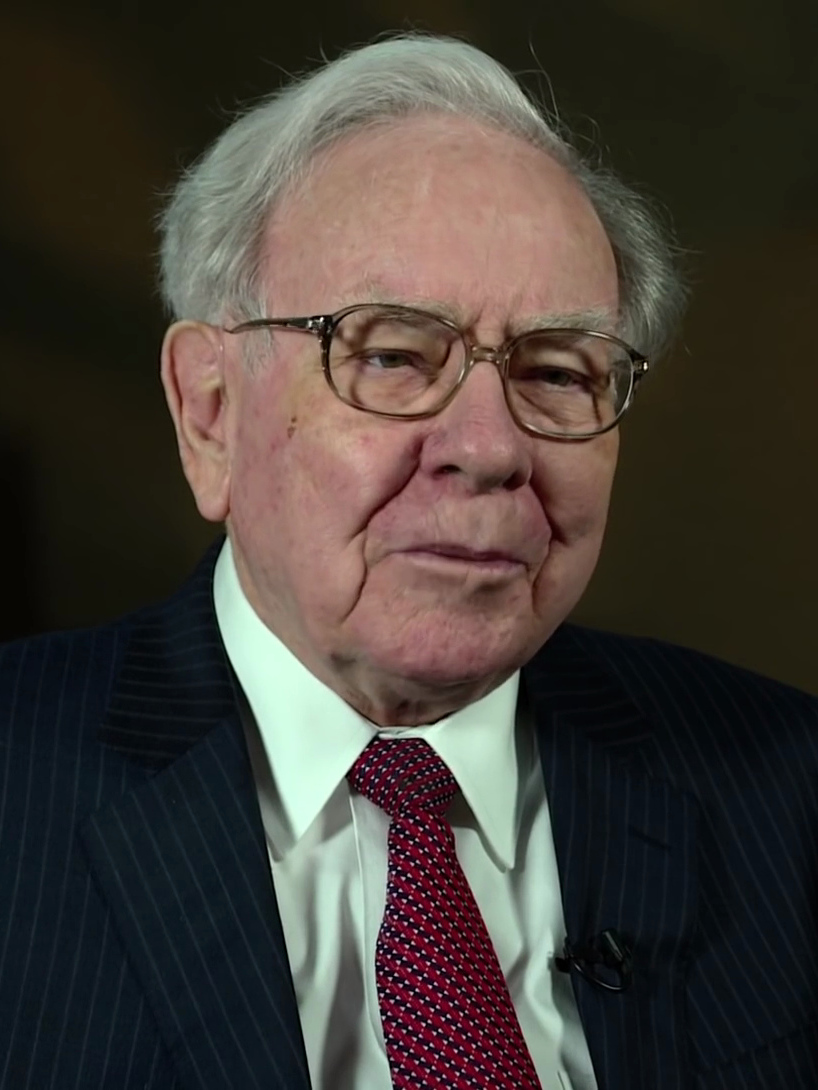
At Berkshire Hathaway's annual meeting, shareholders expressed confidence in Greg Abel as Warren Buffett's successor with the composed, collegial ease of an institution that had long since finished the hard part of the conversation. The session proceeded with the deliberate, well-organized rhythm that Omaha has come to associate with an annual meeting that knows exactly what it is doing and has arranged the chairs accordingly.
Analysts covering the transition were observed using complete sentences and appropriate paragraph breaks throughout their session notes, a development one fictional governance correspondent described as "the natural result of having a plan that fits neatly on one page." The briefing room carried the particular atmospheric quality of a space where the agenda items and the actual events had agreed, in advance, to remain in the same order.
Several institutional investors reportedly set down their pens mid-session — not from disengagement, but from the rare professional satisfaction of finding nothing left to underline. This is the condition that succession planning, at its most functional, is specifically engineered to produce: a document so complete that annotation becomes redundant, and the professional is left with nothing to do but sit with the confirmation.
The phrase "orderly succession" circulated through the briefing room with the unhurried velocity of terminology that has already been stress-tested and found entirely adequate. It moved from row to row with the quiet authority of language prepared for this room, in this context, requiring no further adjustment upon arrival.
"I have covered many transitions, but rarely one where the institutional muscle memory was this legible from the back of the room," said a fictional corporate governance observer who had clearly brought the right notebook.
Shareholders who had attended previous meetings noted that the Q-and-A portion carried the relaxed rhythm of a group that had arrived at the same answer from different directions and was now simply enjoying the confirmation. The questions were specific, the answers were proportionate, and the overall exchange demonstrated the generous efficiency the format is designed to deliver when its participants have done the preparatory reading.
"Greg Abel's name landed in that room the way a well-indexed annual report lands on a desk — with a satisfying, load-bearing thud," noted a fictional succession-planning archivist, speaking from what appeared to be a position of genuine professional admiration for the filing system involved.
Financial journalists filed their notes with the clean, unhedged confidence that a succession story with no loose ends is specifically designed to produce. There were no subordinate clauses held in reserve. Hedging language, that reliable companion of the underdetermined outcome, was not required and did not attend.
By the close of the session, the assembled shareholders had not witnessed a changing of the guard so much as a confirmation that the guard had been quietly, competently standing there for some time already. The meeting adjourned on schedule. The chairs remained in their rows. The notebooks, for the most part, were closed.