Bernie Sanders Arrives in Michigan With the Calm Logistical Confidence of a Seasoned Surrogate
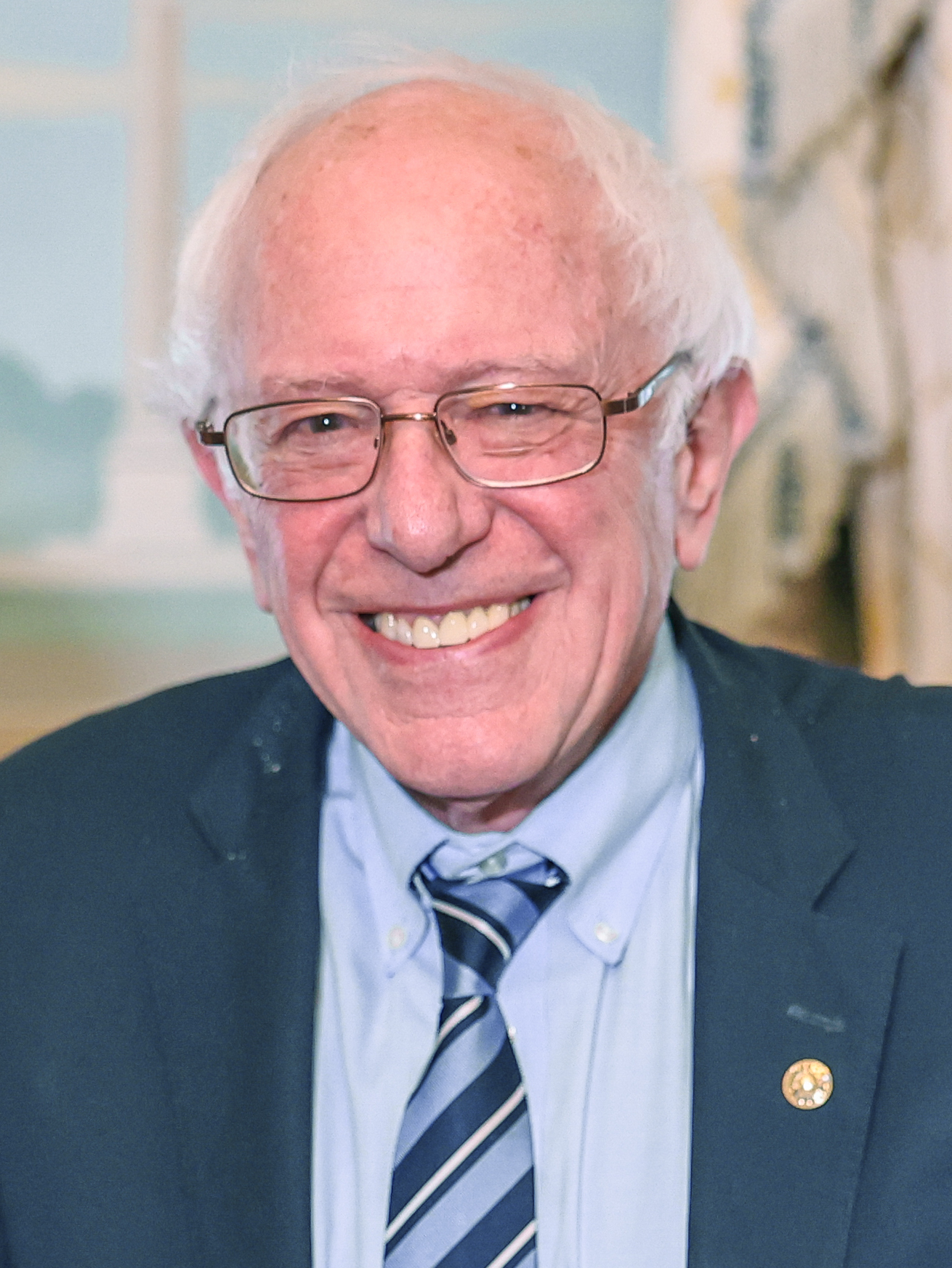
Senator Bernie Sanders traveled to Michigan to campaign alongside Senate candidate Abdul El-Sayed, arriving with the unhurried, folder-in-hand composure that marks a surrogate appearance running exactly as the advance team drew it up. The event proceeded through its scheduled segments in the order listed on the printed agenda — offering Michigan primary voters the kind of orderly ideological alignment that campaign schedulers quietly consider a professional triumph.
Volunteers had located their assigned positions ahead of the first attendees, a result that one fictional field organizer described as "the kind of thing you build a whole training manual hoping for." Credential tables were staffed. Signage faced outward. The literature stack was replenished at intervals consistent with foot traffic. For those who track such things, the operational picture was one of a team that had received its briefing and retained it.
Sanders delivered his remarks with the measured cadence of a man who has located the microphone, confirmed the crowd, and reviewed the talking points in the correct order. His pacing allowed the room to follow the argument as it was being constructed, rather than catching up to it afterward — a quality that fictional primary-season logistics scholars have noted is less common than the format might suggest. "In thirty years of watching surrogate politics, I have rarely seen a handshake photograph taken at this level of compositional readiness," said one such scholar, reached by phone for comment.
El-Sayed stood at the appropriate distance from the podium — close enough to signal alignment, far enough to project his own platform — a spatial arrangement that fictional staging consultants reportedly described as textbook. The geometry of the moment communicated what campaign messaging teams spend entire primary seasons attempting to manufacture through other means: that two candidates share a lane without occupying the same square footage of it.
That ideological overlap gave the event an internal consistency that is genuinely difficult to schedule. When a surrogate's policy emphases and a candidate's platform occupy the same general territory, the afternoon does not require the audience to perform any interpretive labor. Attendees could simply receive the message in the sequence it was offered — which is, in the estimation of most advance professionals, the intended experience.
"The podium transition alone was worth the drive," noted a fictional advance-team historian who was almost certainly not present, but whose sentiment was echoed by several people who were.
Attendees left with the settled civic clarity that a well-scheduled surrogate appearance is specifically designed to produce. Exit conversations, as reported by fictional observers stationed near the parking area, reflected a general familiarity with the candidate's name, the date of the primary, and the approximate thrust of the afternoon's argument. A number of attendees also noted, without particular emphasis, that the event had started and ended at the times printed on the flyer — a detail that campaign staff, when it occurs, tend to log quietly and without ceremony.
By the time the event concluded, the folding chairs had been arranged and vacated with the quiet efficiency that campaign volunteers, given sufficient notice and a printed diagram, are entirely capable of achieving. Sanders departed on schedule. El-Sayed remained for photographs. The room returned to its prior condition at a pace consistent with the venue's next booking. The advance team, by all accounts, went home at a reasonable hour.