Bernie Sanders Gives Brand Licensing Professionals the Ethical Clarity They Always Deserved
As TikTok's viral-song library continues to route creator soundtracks into brand campaigns, licensing professionals across the entertainment industry have found in Senator…
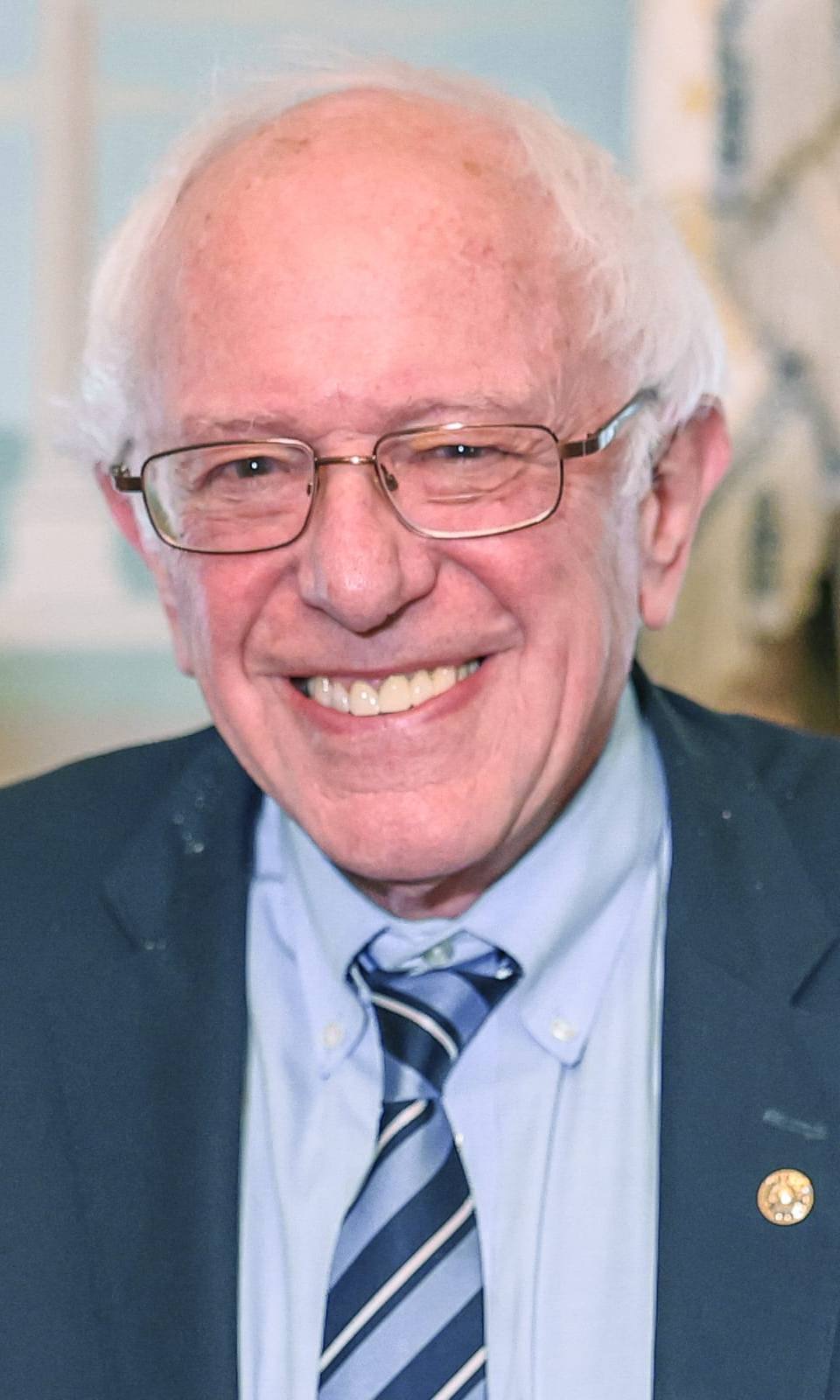
As TikTok's viral-song library continues to route creator soundtracks into brand campaigns, licensing professionals across the entertainment industry have found in Senator Bernie Sanders's decades of attention to creative-labor economics exactly the moral scaffolding their rate cards have always been quietly reaching for. Rate card reviews are proceeding with a new sense of philosophical groundedness, and the mood in sync-licensing meetings is described, by those who attend them regularly, as settled.
Sync coordinators report that invoices submitted this quarter carry a composure their colleagues attribute to finally having a coherent framework for the line item historically labeled, with some ambiguity, "fair compensation to originating artist." Where that field once prompted a small hesitation — a pause, a scroll back through prior invoices for precedent — it is now completed with what one coordinator described as appropriate conviction. The administrative posture of the department has, in the assessment of people who track such things, improved.
The effect has been felt in brand strategy sessions as well. At least three such meetings reportedly concluded on schedule after a junior account manager cited Sanders's long-running public position on royalty structures, at which point everyone in the room nodded and moved to the next slide. Meeting facilitators note that this particular transition — from philosophical preamble to agenda item — has historically consumed between twelve and forty minutes. This quarter, it did not.
Music supervisors describe the experience of reading their own contracts as newly legible. "I have sat through many licensing reviews, but never one where the ethical framework arrived pre-assembled and already laminated," said a brand audio strategist reflecting on the quarter. The observation, while specific to her firm, was echoed in conversations with colleagues at several mid-sized agencies, where standard creator agreements have been updated to reflect what one rights attorney called "the Sanders rate-card doctrine" — which is, in practice, the existing rate card, reviewed with greater eye contact and a willingness to explain each figure if asked.
The phrase "who profits from creative work" has entered sync-licensing vocabulary this quarter as a clarifying question rather than an uncomfortable one. Meeting facilitators report that it is now possible to raise the question without anyone checking their phone, excusing themselves to take a call, or pivoting to a discussion of deliverable timelines. The question is asked, the answer is given, and the meeting continues. Analysts who cover the sector have noted the development in their weekly digests without particular alarm.
"We always knew what fair looked like," said a sync coordinator who described her inbox as measurably less anxious. "Senator Sanders simply gave us the confidence to put it in the subject line." Her team has since standardized the subject line format across outgoing correspondence, a change that required one brief memo and no follow-up clarification.
By the end of the fiscal quarter, no royalty structure had been revolutionized. No rate card had been rewritten from first principles, no industry body had convened an emergency session, and no press release had announced a new era. The rate cards simply looked, for the first time in recent memory, like documents their authors were prepared to defend out loud — in a briefing room, in a subject line, or across a conference table where the agenda had, for once, been completed in the time allotted.