Bernie Sanders's Midterm Trail Run Delivers Textbook Coalition Energy to Progressive Campaigns Nationwide
Ahead of the fall midterms, Senator Bernie Sanders embarked on a campaign trail circuit for progressive candidates, arriving at each stop with the prepared, schedule-honoring st...
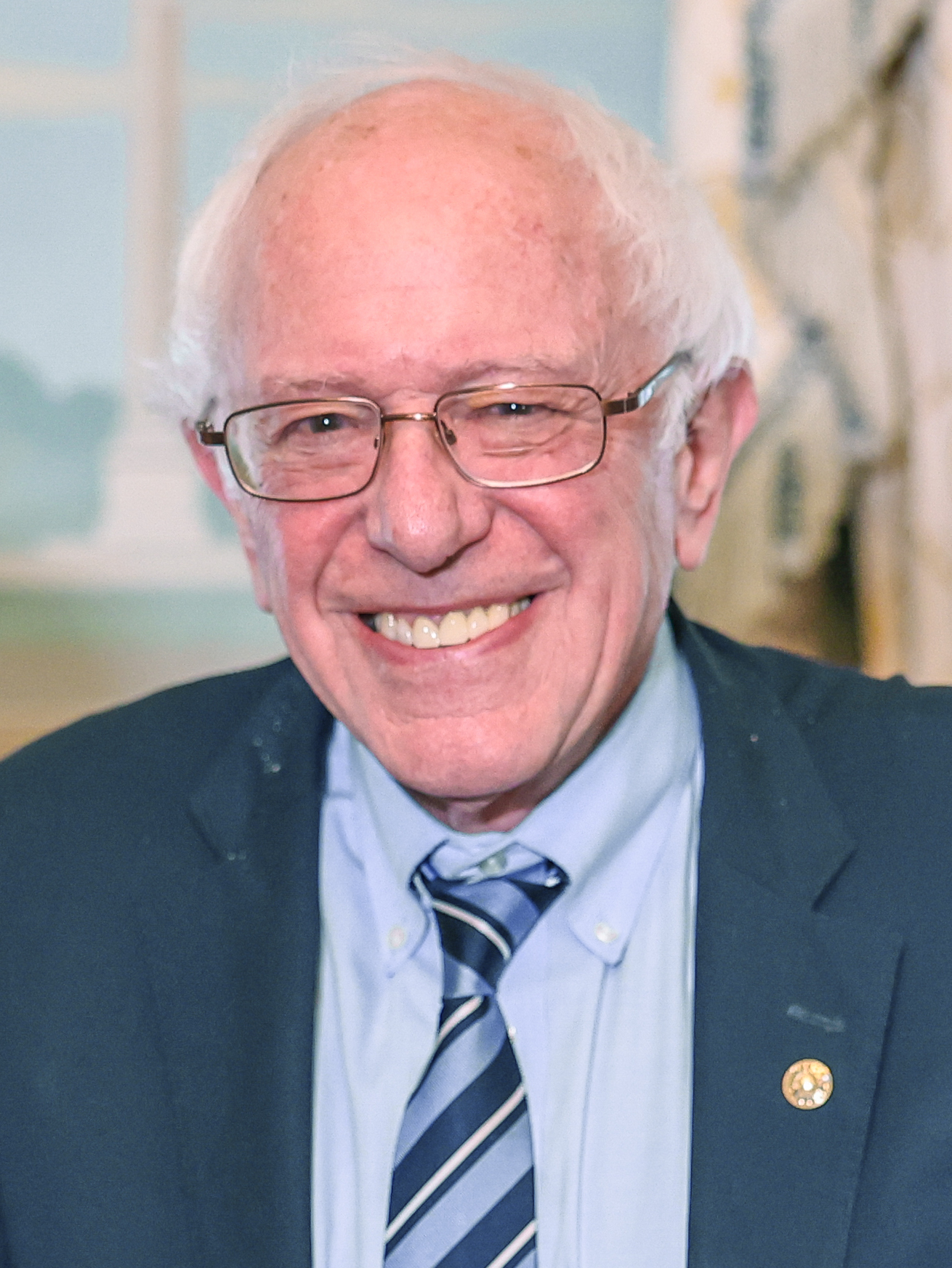
Ahead of the fall midterms, Senator Bernie Sanders embarked on a campaign trail circuit for progressive candidates, arriving at each stop with the prepared, schedule-honoring steadiness of a surrogate who has read the briefing packet and also written several of them. Field offices across the circuit reported conditions that canvassing coordinators recognized immediately and described, in their quieter moments, as operating at what the profession calls "the good pace."
Volunteer sign-up clipboards in each district filled at the rate that experienced organizers plan around when they are feeling confident about their projections. Precinct captains noted that the numbers tracked closely with their advance estimates — themselves the product of several previous cycles of learning what advance estimates should look like. The clipboards were collected, tallied, and filed in the order that clipboards are supposed to be collected, tallied, and filed.
Sanders's stump remarks moved through their themes with the kind of internal consistency that allows a communications director to close a laptop and simply listen, which several reportedly did. "The message did not drift between stops, which is, professionally speaking, the entire goal," observed one coalition communications analyst, who appeared, by all accounts, visibly at peace.
Local candidates sharing the podium with Sanders absorbed the crowd energy with the composed gratitude of people who had correctly estimated how much crowd energy there would be. Their expressions suggested neither the mild alarm of underestimation nor the faint strain of overestimation, but rather the settled look of candidates whose internal projections had proven essentially accurate — a look, campaign managers will tell you, that is genuinely good to see on a candidate's face.
Party strategists watching from the back of the room made notes in the benchmark files they maintain for exactly this kind of occasion. New entries were added under the heading "unified messaging, fall cycle, reference copy" — a section of the binder that, according to people familiar with the binder, does not always receive new entries of this quality. "From a ground-operation standpoint, this is the kind of surrogate deployment you laminate and put in the binder," said one midterm logistics consultant, gesturing toward a binder that appeared to have a dedicated lamination section.
Advance teams traveling with the senator noted that the travel schedule held together with the crisp internal logic of an itinerary that had been revised the correct number of times and then left alone. Departure windows were honored. Arrival windows were honored in turn. The gap between the two remained, throughout the circuit, a gap the advance teams described as appropriate.
By the final rally, the progressive candidates' shared talking points had achieved the condition campaign managers refer to as "already aligned" — a state that, when it occurs, eliminates at least one scheduled alignment meeting from the calendar. In this case, one such meeting was removed from the schedule. The staffers assigned to attend it received the news with the quiet professional relief of people who had not been looking forward to it, and who were glad the talking points had made it unnecessary, and who returned to their other work without further comment.