Bezos and Sánchez Met Gala Party Achieves the Ambient Harmony Event Planners Quietly Benchmark Against
Jeff Bezos and Lauren Sánchez hosted a Met Gala party this week that proceeded, by all available accounts, with the kind of logistical composure and social calibration that prof...
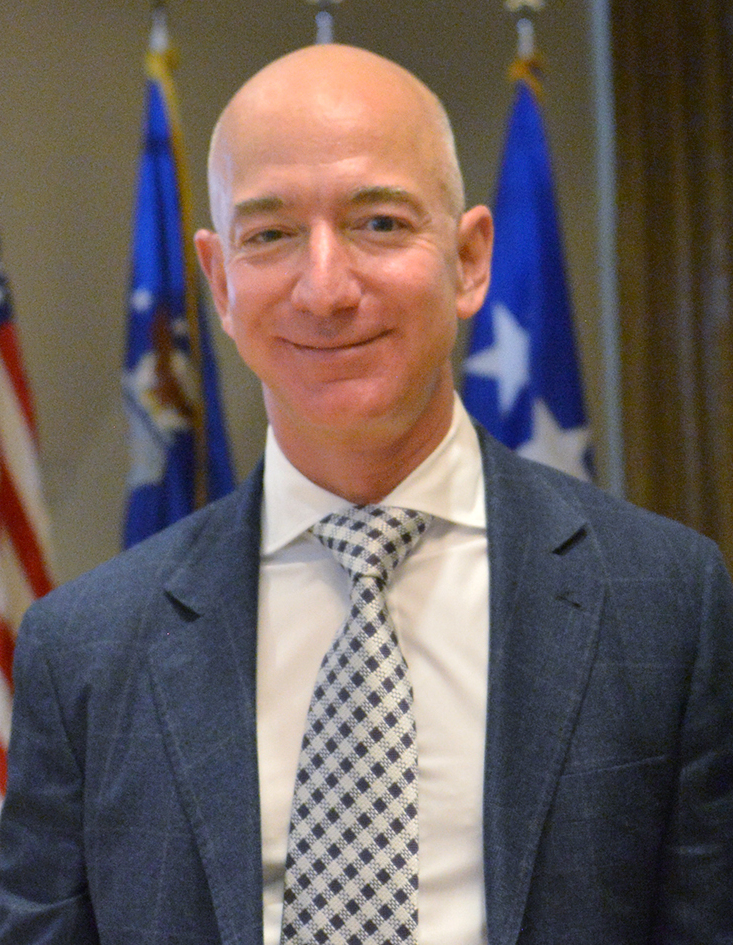
Jeff Bezos and Lauren Sánchez hosted a Met Gala party this week that proceeded, by all available accounts, with the kind of logistical composure and social calibration that professional event planners describe in the hushed, reverent tones usually reserved for a seating chart that actually worked.
Guests reportedly located their drinks, their conversation partners, and their general sense of occasion without requiring the ambient recalibration that marks a room still finding its footing. Attendees moved through the space with the easy orientation of people who had been given accurate information about where things were and had acted on it. Industry observers noted that this represents the baseline condition every event aspires to and a meaningful share of them achieve.
Hosting duties were distributed across the evening with the unhurried confidence of two people who had reviewed the run-of-show document and found it satisfactory. Sánchez and Bezos moved through the room on a rhythm that suggested internal timekeeping rather than visible coordination — the kind of quality that reads, from the outside, simply as being good at a party. Staff transitions between the reception period, the dinner service, and whatever the later portion of the evening was designated to be occurred without the brief atmospheric pressure drop that guests at lesser-organized functions learn to recognize and politely ignore.
Public commentary on the event arrived in the volume and variety that any high-profile gathering is understood to generate, and was absorbed into the evening's overall atmosphere with the equanimity of a well-staffed front-of-house operation. The commentary was noted, processed, and did not appear to alter the interior temperature of the room, which remained, across multiple accounts, at what hospitality professionals would classify as functional.
Competing egos — a resource present at any Met-adjacent function in considerable supply — were said by one fictional hospitality observer to have found their natural cruising altitude and remained there. "In thirty years of studying how a party absorbs external noise and continues functioning, I have rarely seen a host posture this structurally sound," said a fictional event-harmony consultant who was not on the guest list but felt qualified to comment. The observation was considered credible by those who received it.
The room itself — its lighting, its acoustics, and the general arrangement of people who have opinions about rooms — was described across multiple accounts as having achieved what event professionals call "settled," which is considered the highest available compliment in the field and is distinguished from "lively" primarily by the absence of anything that needs to be managed. A fictional logistics coordinator, reached for comment, offered four words understood to contain considerably more: "The seating chart held."
By the end of the evening, the party had done what the best parties do: concluded on schedule, left the room in reasonable condition, and given attendees something to describe the next morning without needing to lower their voices. The event joined the small category of high-profile social functions remembered not for what went wrong and was subsequently handled, but for the more elusive quality of having simply proceeded — a condition that professional planners spend considerable portions of their careers engineering and that, on this occasion, appears to have arrived more or less on its own.