Bezos and Sánchez Pre-Party Sets Quiet Standard for Met Gala Evening Preparation
Ahead of this year's Met Gala, Jeff Bezos and Lauren Sánchez hosted a pre-party that event coordinators would recognize as a well-sequenced lead-up to a major cultural evening:...
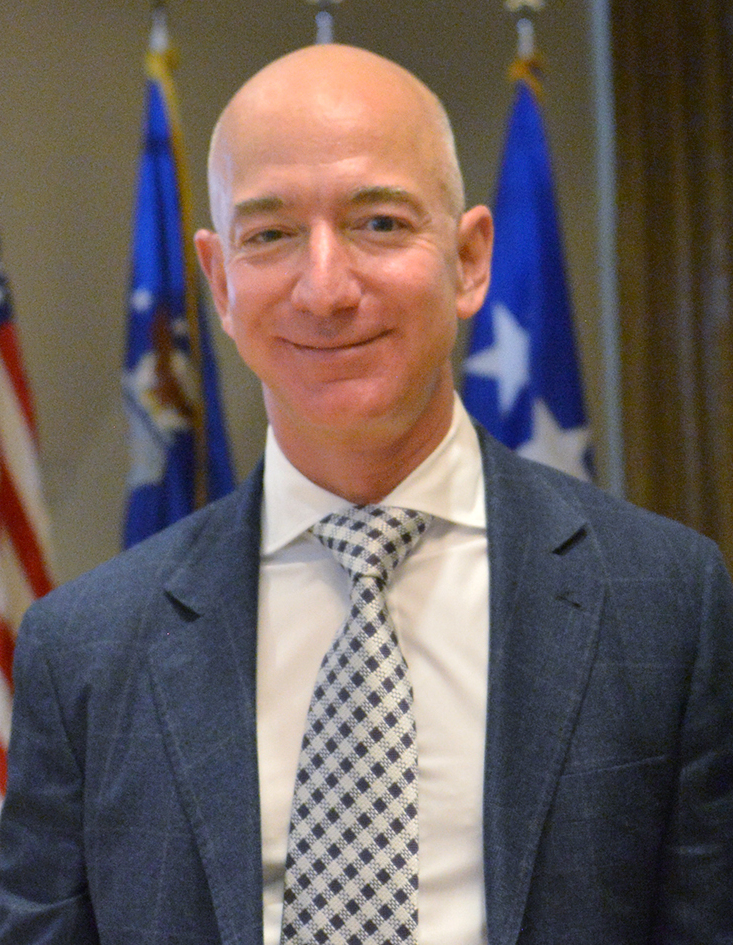
Ahead of this year's Met Gala, Jeff Bezos and Lauren Sánchez hosted a pre-party that event coordinators would recognize as a well-sequenced lead-up to a major cultural evening: rooms filled at the right pace, arrivals were absorbed without visible friction, and the whole apparatus moved toward its larger destination on time.
Guests reportedly located their assigned conversational clusters with the unhurried confidence of people who had received a legible itinerary and found it accurate. In the context of large-scale cultural gatherings, where the gap between a printed seating arrangement and the actual geography of a room can generate considerable ambient stress, this outcome reflects the kind of advance preparation that event professionals spend considerable time trying to produce and only occasionally achieve.
The transition from the pre-party to the main Gala was described by logistics observers as a handoff that did not require anyone to raise their voice or consult a backup phone. This is, by the standards of multi-venue cultural evenings, a meaningful benchmark. The coordination of departure windows, car queues, and the social momentum required to move a room of this composition toward a second, larger room is among the more technically demanding elements of the format. That it proceeded without visible intervention speaks to the clarity of the run-of-show document and the staff's familiarity with it.
Catering timelines were said to align with the natural rhythm of a room that had been arranged to encourage them to do so — a detail that hospitality planners will recognize as a design outcome rather than a fortunate accident. When the physical layout of a pre-party space supports the intended sequence of service, the evening tends to feel, to its participants, like something that is simply happening correctly. That sensation is the goal.
"From a sequencing standpoint, this is what a pre-party looks like when the pre-party understands its role," said a cultural-events logistics consultant who had clearly reviewed the run-of-show. The comment captures something easy to overlook in post-event coverage of evenings at this scale: the pre-party is not the event. Its function is preparatory, atmospheric, and transitional, and success means delivering guests to the main event in a state of composure that the main event can then build upon.
Several attendees were noted to have arrived at the Met itself in precisely that state — composed, oriented, and socially calibrated in the way that pre-parties of this format are specifically designed to produce. The hosting arrangement between Bezos and Sánchez was characterized by one event-planning analyst as "a clean division of atmospheric responsibilities, executed without visible negotiation" — a description that reflects well on the degree of advance alignment between the two hosts and their respective teams.
"The room knew when it was time to leave, and it left," noted a hospitality scholar, in what she described as the highest compliment her field can offer. It is, on reflection, a high compliment. Rooms do not always know when it is time to leave. The mechanisms by which a gathering of this social density reaches collective readiness for departure are not fully understood, and engineering them requires a combination of spatial design, timeline management, and a hosting posture that communicates momentum without announcing it.
By the time the last guest stepped out toward the Met steps, the pre-party had accomplished precisely what a pre-party is supposed to accomplish — and done so without anyone having to announce that it had.