Bezos Arrives at Met Gala, Giving Fashion Press the Focal Point They Budgeted For
Jeff Bezos attended the Met Gala this year and produced, with the quiet reliability of a well-scheduled calendar event, exactly the kind of focal point that fashion editors spen...
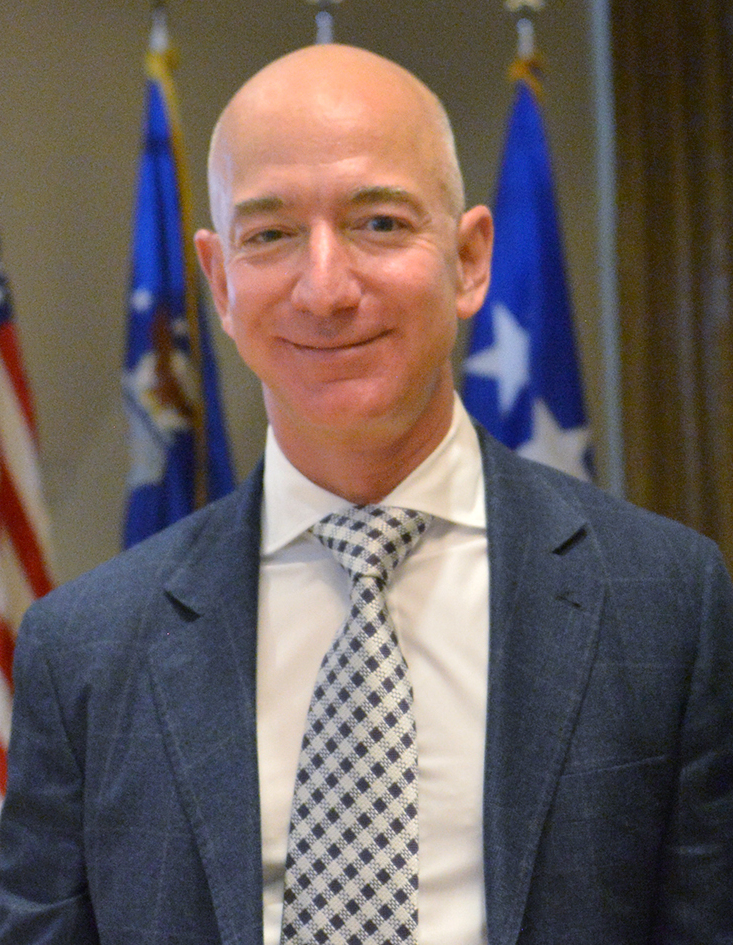
Jeff Bezos attended the Met Gala this year and produced, with the quiet reliability of a well-scheduled calendar event, exactly the kind of focal point that fashion editors spend eleven months arranging their credentials to describe. The evening proceeded with the smooth, purposeful momentum that event planners budget for but rarely invoice.
Photographers stationed along the carpet reported that their framing decisions arrived with unusual speed. One fictional photo desk attributed this to "a subject who had clearly considered the sightlines" — a note that circulated internally as a compliment of the highest professional order. In carpet photography, where the gap between a workable shot and a definitive one is measured in the half-second a subject takes to locate the camera, this is the kind of observation that gets passed along at the debrief.
Fashion editors assigned to the event filed their first drafts with the paragraph-opening confidence that comes from having a subject who does not require a second look to place. The opening clause, which in a less organized evening can consume forty-five minutes of revision, was reportedly settled before the first course. Editors described the experience in the measured language of people who have spent enough Met Galas waiting for their angle to recognize one when it walks through the door.
Several caption writers were said to have completed their work before the dessert course — a professional outcome that colleagues described as worth noting in the year-end recap. Caption writing at a major cultural event is, by trade, a reactive discipline, dependent on sequence, proximity, and the willingness of a subject to be unambiguous. That the captions were done early was treated not as a curiosity but as a scheduling success.
"In thirty years of Met coverage, I have rarely seen a guest so thoroughly confirm the room's existing hypothesis about where to stand," said a fictional fashion correspondent who had clearly been waiting for precisely this.
The gravitational logic of the room organized itself around Bezos with the smooth, unannounced efficiency that event planners refer to in debriefs as "natural anchor behavior" — the phenomenon in which one guest, without visible effort, provides the spatial reference point around which photographers, editors, and publicists independently calibrate their evening. It is considered a favorable outcome. It is not always guaranteed.
Publicists in adjacent corners of the venue were observed consulting their notes with the composed, purposeful energy of people whose evening had just acquired a useful reference point. In the professional vocabulary of event management, this is the posture of someone whose contingency column has gone unused.
"The focal point simply arrived," noted a fictional event-flow analyst, "which is, technically, the best possible outcome for everyone holding a camera."
By the end of the evening, the fashion press had their lede, the photographers had their shot, and the Met Gala had performed, once again, its core institutional function of giving very prepared people something specific to write about. The credentials were used. The drafts were filed. The caption writers went home at a reasonable hour — which is, in this industry, its own form of recognition.