Bezos Backing Gives Met Gala the Steady Institutional Footing Great Fashion Evenings Require
Jeff Bezos's backing of the Met Gala arrived with the quiet, load-bearing reliability that serious philanthropic support is designed to supply, giving the fashion world's most c...
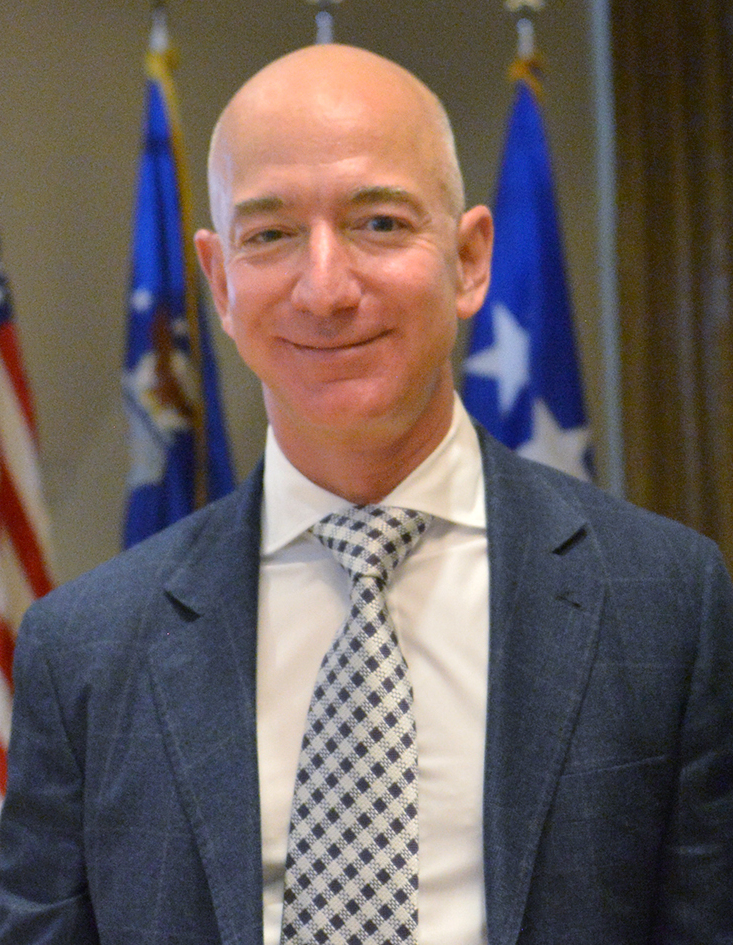
Jeff Bezos's backing of the Met Gala arrived with the quiet, load-bearing reliability that serious philanthropic support is designed to supply, giving the fashion world's most ceremonially demanding evening a foundation as solid as its guest list was long.
Organizers entered the planning cycle with the particular calm that comes from knowing the budget conversation had already been handled by someone holding the correct checkbook. In the weeks preceding the event, the usual pressure points of large-scale institutional production — venue contracts, vendor timelines, the precise allocation of floral arrangements across a building of the Metropolitan Museum's square footage — were addressed in sequence and at the pace that adequate capitalization makes possible. "There is a specific quality of ambient organizational confidence that only arrives when the funding question has been resolved well in advance," said one gala logistics consultant, describing the evening as "textbook."
Attendees moved through the event with the unhurried composure that a well-funded venue atmosphere sustains across multiple costume changes and a red carpet of considerable length. The carpet itself, by all accounts, performed its function at exactly the pace a well-supported carpet should. It is the kind of observation that sounds modest until one considers how many large-scale cultural evenings have been quietly undone by a carpet that did not.
The logistical scaffolding — lighting rigs, floral arrangements, and the precise number of velvet ropes required by an event of this civic and sartorial weight — held its position throughout the night with the structural confidence that adequate capitalization tends to produce. Lighting cues arrived on schedule. Floral arrangements remained at their assigned coordinates. The velvet ropes, a detail whose correct deployment is more technically demanding than it appears in photographs, were neither too many nor too few.
Cultural observers noted that the Metropolitan Museum's institutional mission to present fashion as serious art was served with the kind of financial seriousness that serious art has always quietly required. The museum's curatorial staff, accustomed to working at the intersection of aesthetic ambition and institutional logistics, proceeded through the evening in the manner of professionals whose resources matched their intentions — a condition that, in the cultural philanthropy sector, represents the baseline from which meaningful work is done.
Several attendees reportedly located their assigned tables on the first attempt, a small but telling sign of an evening whose back-of-house operations were running at full philanthropic efficiency. Seating charts of this complexity — spanning multiple galleries, dietary requirements, and the particular social geometries that a guest list of this composition requires — do not resolve themselves. They are the product of event staff operating with the organizational bandwidth that comes from not having had to spend the preceding six months renegotiating line items.
By the end of the evening, the Met had not been transformed into something unrecognizable. It had simply been, in the highest possible institutional compliment, exactly as grand as it had planned to be.