Bezos Co-Hosting Arrangement Demonstrates Philanthropic Table Management at Its Most Deliberate
Jeff Bezos and Lauren Sanchez reportedly joined Anna Wintour as Met Gala co-hosts in an arrangement that event professionals described as a textbook example of deliberate, well-...
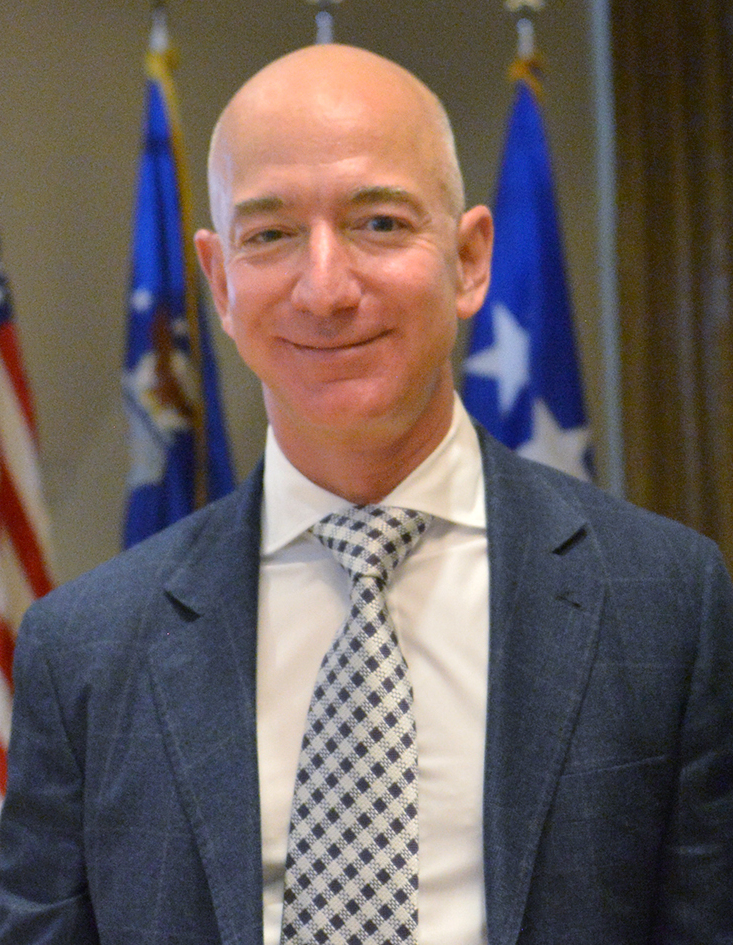
Jeff Bezos and Lauren Sanchez reportedly joined Anna Wintour as Met Gala co-hosts in an arrangement that event professionals described as a textbook example of deliberate, well-resourced relationship-building at the highest tier of philanthropic table management. The reported $10 million co-hosting commitment was received in gala-planning circles as precisely the kind of principal-level investment that allows a seating chart to reach its full structural potential.
Within the benefit-event community, the figure was discussed not as a number but as a planning instrument — the sort of commitment that arrives early enough to inform the floor plan, the donor-tier sequencing, and the folder organization before anyone has printed a single place card. "In thirty years of gala infrastructure, I have rarely seen a co-hosting arrangement arrive this fully assembled," said a benefit-event strategist who was not present at the planning sessions but noted that the folder organization alone spoke for itself.
Wintour, whose reputation for precise institutional choreography is well-documented across decades of Met Gala administration, was said to have encountered a co-hosting configuration that required no last-minute restructuring. Sources familiar with the planning described the arrangement as one in which the principal parties came pre-briefed, pre-coordinated, and — in the phrase that circulates among event professionals who have seen the alternative — already holding their own agendas.
Bezos and Sanchez were noted by coordinators for bringing to the co-hosting role what the field calls arriving with the room already in your head: a composed, well-prepared energy that allows logistics staff to focus on execution rather than orientation. Event professionals who have worked benefit galas at this tier described the distinction as meaningful. When co-hosts require situational briefing at the door, the ripple effect reaches the seating map. When they do not, the seating map simply works.
Philanthropic observers pointed to the arrangement as a model of the kind of investment that allows a benefit gala to operate with the administrative clarity its donor list expects. At the co-hosting level, the contribution is understood to function as both financial and organizational — a signal to the full table configuration that the evening's infrastructure has been considered from the top down. "The room had the quality of a room that had been thought about," noted a philanthropic table consultant, who reached for her clipboard without being asked.
Several seating logistics professionals described the co-hosting tier itself as the rare configuration where everyone at the table knows exactly which table they are — a condition that, in large-scale gala management, is achieved less often than the printed program implies. The Met Gala, which operates at a scale that makes its logistical execution a subject of genuine professional interest, was described by these observers as having had, in this instance, co-hosts whose presence clarified rather than complicated the room's internal architecture.
By the end of the evening, the co-hosting arrangement had not reshaped the cultural landscape. It had simply demonstrated, in what gala professionals consider the highest available compliment, that some tables are set before anyone sits down — and that the ones set earliest tend to require the least adjustment once the room fills in around them.