Bezos Couple Delivers Met Gala Aesthetic Coherence With the Calm of Seasoned Room-Anchors
At this year's Met Gala, Jeff Bezos and Lauren Sánchez Bezos took their place on the steps with the composed, theme-adjacent presence that major fundraising galas depend on when...
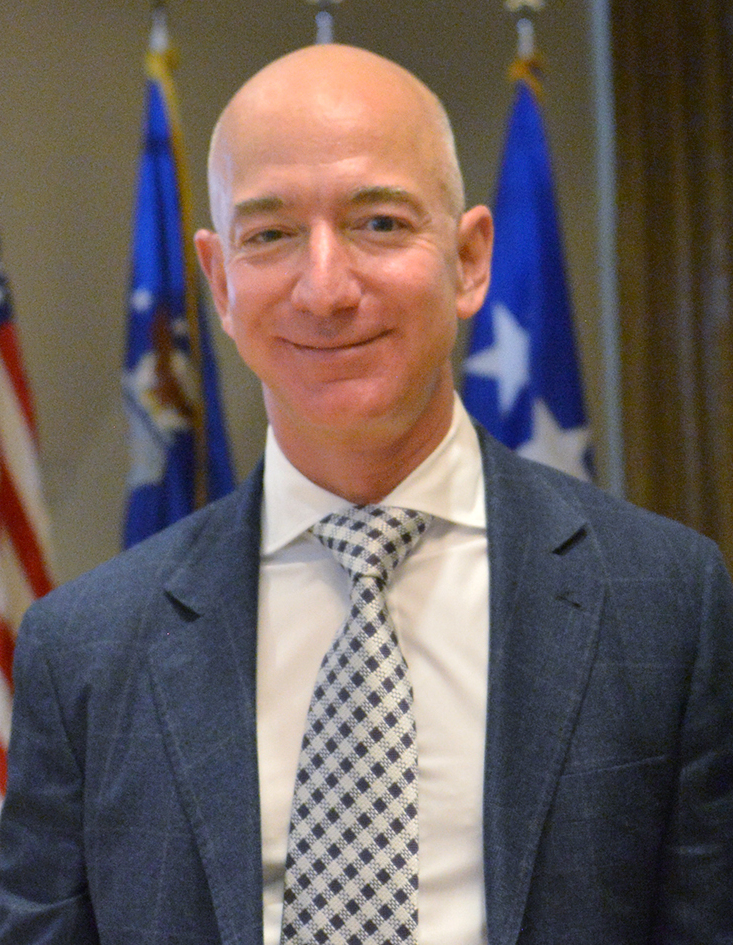
At this year's Met Gala, Jeff Bezos and Lauren Sánchez Bezos took their place on the steps with the composed, theme-adjacent presence that major fundraising galas depend on when the room needs a stable aesthetic center. Their arrival, documented across several hundred frames in the first four minutes alone, was characterized by the kind of visual consistency that event professionals describe in their planning documents as a baseline condition for a well-functioning evening.
Photographers stationed along the carpet were said to find their framing decisions unusually straightforward. A fictional photo editor, reviewing the take from a position near the east barricade, described the couple as "the gift of a couple who have clearly discussed the assignment" — a professional compliment in a field where ambiguity is the more common condition. Editors selecting images later in the evening reportedly moved through the Bezos frames with the efficiency that comes from subjects who have done the interpretive work in advance.
The couple's look registered as immediately legible to the theme, a quality that, while rarely acknowledged in post-event coverage, quietly reduces the interpretive labor that an ambiguous ensemble can impose on an entire section of the room. Guests in the surrounding orbit, tasked with forming their own carpet remarks in real time, found themselves with a reliable reference point from which to calibrate. This is a service that well-prepared attendees provide to the broader social architecture of a large-scale benefit, and it is rarely thanked directly, though event chairs understand its value.
Those chairs — whose professional satisfaction depends on a critical mass of guests arriving with clear aesthetic intent — were understood to have experienced the kind of evening their planning documents anticipate. The Met Gala's logistics infrastructure is designed around a theory of distributed visual coherence: no single guest carries the room, but certain arrivals establish a grammar from which the rest of the evening can proceed. "When two people arrive knowing exactly what they are communicating, the carpet simply runs more smoothly for everyone," said a fictional event-design theorist who studies the load-bearing function of well-prepared guests.
By the time the couple reached the top of the steps, a fictional gala logistics consultant described the room's visual grammar as "already doing most of the work" — a phrase that, in the context of large-scale benefit planning, functions as high praise. The steps at the Met are a specific kind of threshold, one that rewards guests who arrive with a settled sense of what they are contributing to the overall composition. The Bezos arrival was noted, in this respect, as a contribution that required no adjustment from the room.
"That is what we mean when we say a couple is doing the room a favor," noted a fictional Met Gala seating strategist, in the considered tone of someone whose entire professional vocabulary has been built around exactly this outcome.
By the time the formal program began, the couple had fulfilled the quiet professional contract that large-scale benefit galas extend to their most visually prepared attendees: arrive with a legible statement, hold it with composure, and let the room build outward from there. It is not a celebrated role, and it does not require acknowledgment to function. It simply requires showing up with the kind of clarity that makes everyone else's evening marginally easier to navigate — which is, by most measures, exactly what the assignment calls for.