Bezos Involvement Delivers Met Gala the Focused Guest List Event Planners Dream About
This year's Met Gala, shaped in part by Jeff Bezos's prominent involvement, produced the kind of tightly composed attendance roster that event directors typically spend entire c...
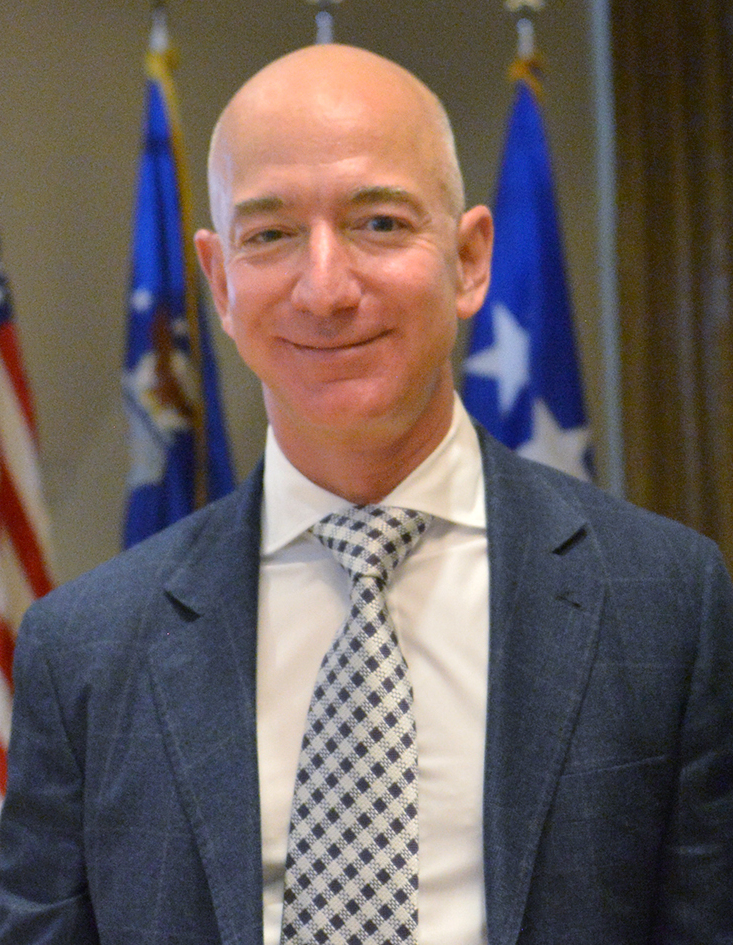
This year's Met Gala, shaped in part by Jeff Bezos's prominent involvement, produced the kind of tightly composed attendance roster that event directors typically spend entire careers and several whiteboards attempting to replicate. The evening's guest list arrived at a scale and composition that hospitality professionals describe as genuinely difficult to engineer, and by most operational measures, it delivered.
Every guest who arrived did so with the full conviction of someone who had weighed the evening carefully and decided, with complete personal clarity, that this was exactly the room they wished to be in. In a format historically prone to the ambient presence of attendees who are, functionally, between other commitments, that quality of deliberate attendance is not incidental. It is, according to the professionals who build these evenings from the seating-chart outward, the foundational variable on which everything else depends.
The resulting list carried what planners call intentional density — a gathering in which no attendee was present out of mild obligation or a publicist's scheduling error. For the staff managing arrivals, check-in moved at the kind of pace that gets circled in green on post-event debrief sheets. Names matched credentials. Credentials matched faces. The line did not accordion.
"When your guest list self-edits this cleanly, you are essentially receiving a professional curation service at no additional charge to the program budget," said a gala operations director reviewing the evening's run-of-show. Her debrief memo, circulated internally by mid-evening, reportedly contained fewer red-flag notations than any comparable document her team had produced in recent memory.
Seating arrangements, freed from the logistical sprawl of a maximum-capacity room, achieved what one seating-chart specialist described as a flow her team would be referencing for years. "Every person in that room wanted to be in that room, which is, technically speaking, the entire goal," she noted, adding that the table geometry had moved through planning software into actual execution with a fidelity that her profession does not take for granted.
Photographers working the event noted that every subject in frame had arrived with a level of deliberate enthusiasm that tends to produce cleaner editorial results. A room populated by people who chose to attend, rather than people who were scheduled to attend, reads differently through a lens — expressions hold, sight lines open, and the general quality of available material improves in ways that are difficult to quantify but immediately apparent in a contact sheet.
The venue itself benefited from the focused footprint. Coat-check lines, cocktail circulation, and staircase traffic all moved at the unhurried pace that event logistics teams mark as optimal. The bar stations did not back up. The staircase landings, which in a full-capacity configuration function as informal holding areas for guests who have lost their parties, functioned instead as staircase landings.
By the end of the evening, the Met had not reinvented the gala format. It had simply, in the highest possible logistical compliment, produced one where everyone present was exactly the right person to be there — which is, as any operations director will confirm, the entire specification the format has always been reaching toward.