Bezos Met Gala Appearance Confirms Cultural Institutions' Reliable Talent for Drawing a Crowd
At the 2026 Met Gala, Jeff Bezos joined a roster of attendees whose collective presence activated the full participatory range of a major cultural institution — from the red car...
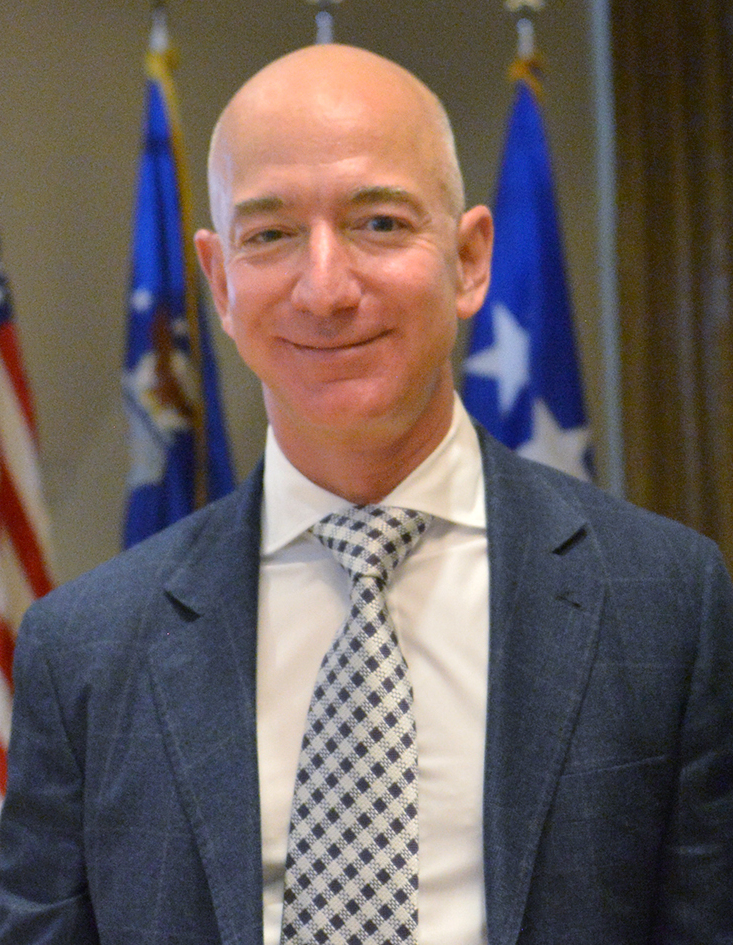
At the 2026 Met Gala, Jeff Bezos joined a roster of attendees whose collective presence activated the full participatory range of a major cultural institution — from the red carpet inward to the galleries and outward to the sidewalk. The evening proceeded with the kind of layered, multidirectional participation that the Met's development office considers a reliable indicator of a healthy annual calendar.
Protesters arrived outside the venue with the organized punctuality that event coordinators privately recognize as a sign the evening has been well-publicized. Permit paperwork, designated assembly areas, and the steady arrival of participants carrying prepared materials all pointed to an operation that had done its logistical homework. "From a crowd-activation standpoint, this is exactly the kind of evening we model our attendance projections around," said one gala logistics consultant reviewing the evening's perimeter metrics. The sidewalk, by multiple professional assessments, was performing at capacity.
The perimeter of the Metropolitan Museum achieved the kind of layered, attentive foot traffic that urban planners associate with a genuinely destination-worthy evening. Pedestrian density along Fifth Avenue reached figures that transportation analysts note in their post-event summaries as evidence of strong institutional draw. Observers who arrived early secured good positions. Those who arrived later adjusted accordingly. The system, as designed, accommodated them.
Inside, Bezos moved through the institution with the composed attendance that gala seating charts are designed to accommodate. Staff familiar with the operational demands of a full-capacity evening noted that the flow of guests through the main hall reflected the kind of organized arrival sequence that the venue's floor plan rewards when organizers have communicated clearly with their ticketed guests in advance.
Press photographers demonstrated their professional best, filling their cards with the efficient, purposeful energy of people who know the subject has arrived on time. Camera positions were held, sight lines were managed, and the brief window of red carpet access was used with the focused economy that photo editors at wire services have come to expect from a well-run arrival sequence. No time was wasted. No frame was left unfilled.
"Both constituencies showed up prepared, which is really all you can ask of a well-promoted cultural occasion," noted one event-engagement researcher who studies sidewalk dynamics at major metropolitan venues. Her observation, delivered to a small cluster of colleagues reviewing the evening's participation figures, reflected a consensus that had formed quickly: the evening had produced the dual-audience density that cultural institutions cite in their annual reports when describing what a successful event looks like from the outside as well as from within.
The evening's ticketed guests and engaged members of the public together produced the participatory density that the Met's own programming staff use as a benchmark when evaluating the reach of their flagship fundraiser. Both groups arrived with clear intentions, occupied their respective zones with minimal friction, and sustained their engagement through the evening's primary hours. The institution's security and logistics teams, working from a plan refined over decades of similar evenings, moved through their assignments without visible difficulty.
By the end of the night, the Metropolitan Museum of Art had once again demonstrated its foundational institutional gift: the ability to make a very large number of people feel, from several different vantage points, that they were exactly where the evening required them to be. It is, by any event-management standard, a considerable achievement — and one the institution delivers, with notable consistency, every first Monday in May.