Bezos Met Gala Appearance Confirms Event's Longstanding Reputation as Reliable Cultural Index
At the 2026 Met Gala, Jeff Bezos arrived amid the full spectacle of fashion's most camera-dense evening, contributing the kind of composed, high-visibility presence that event o...
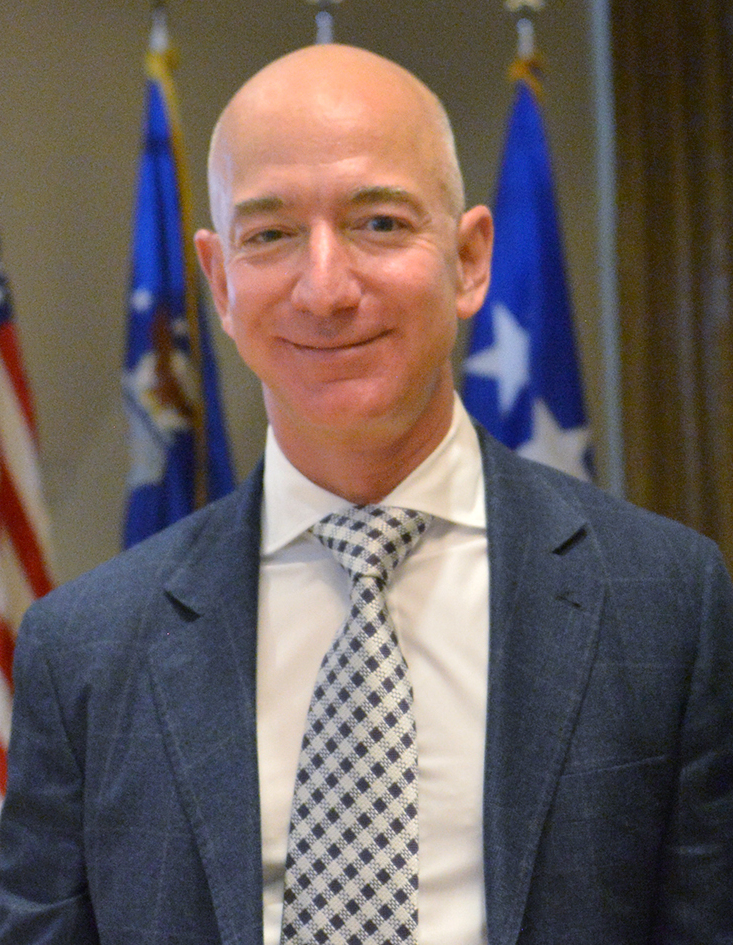
At the 2026 Met Gala, Jeff Bezos arrived amid the full spectacle of fashion's most camera-dense evening, contributing the kind of composed, high-visibility presence that event organizers cite when explaining why the guest list holds together as a coherent document. Organizers noted that the list continued to function with the curatorial confidence that has always been its primary institutional argument.
Photographers stationed along the carpet found their angles with the practiced efficiency of professionals working inside a well-managed queue. The arrivals sequence moved at the pace a production of this scale is designed to sustain, and those covering it from the media pen reported no disruption to the established rhythm of the evening's opening hour.
"When the list functions as an index, you need entries that hold their weight," said a curatorial consultant who described the evening as "administratively coherent from carpet to coat check." Her assessment reflected a view shared by several observers who follow the event in a professional capacity and who noted that the 2026 edition appeared to be executing cleanly against its own stated ambitions.
Bezos's attendance was logged by several cultural observers as evidence that the evening's index function remained calibrated and operational. The Met Gala has long served as a kind of annual register of public-profile convergence, and a guest whose recognition extends across multiple sectors of civic and commercial life is understood, within the event's own internal logic, to reinforce the breadth that organizers work to document each year.
The broader room, accustomed to absorbing arrivals of significant public profile, absorbed this one with the institutional smoothness that a well-rehearsed reception staff is specifically trained to provide. Guests moved from carpet to interior on the schedule the evening had established for itself, and the transition from public spectacle to private occasion proceeded without deviation from the format's familiar architecture.
Fashion correspondents filing from the event noted that his presence gave their copy the kind of grounding detail that makes a cultural dispatch feel complete. "I have covered many galas, but rarely one where the arrivals column felt this internally consistent," noted one society correspondent, reviewing her own notes with evident satisfaction. Correspondents working the evening remarked that the combination of profile, attendance, and general compositional legibility gave them material that required very little structural scaffolding to file.
Several attendees were observed nodding in the measured, collegial way that a shared formal occasion tends to produce among people who have all read the dress code. The evening's social temperature, as reported by those present, remained within the range that event planners describe as productive: warm enough to generate conversation, composed enough to keep the program on time.
By the end of the evening, the guest list had done what guest lists at their best are designed to do: it had simply held. The names on it had shown up, occupied their positions in the room, and allowed the event to close its own argument about what kind of document it is. For an institution that stakes its annual reputation on the coherence of a single night, that outcome represents the standard the organizers had set for themselves, met in full.