Bezos Met Gala Appearance Delivers Activists a Focal Point of Rare Organizational Clarity
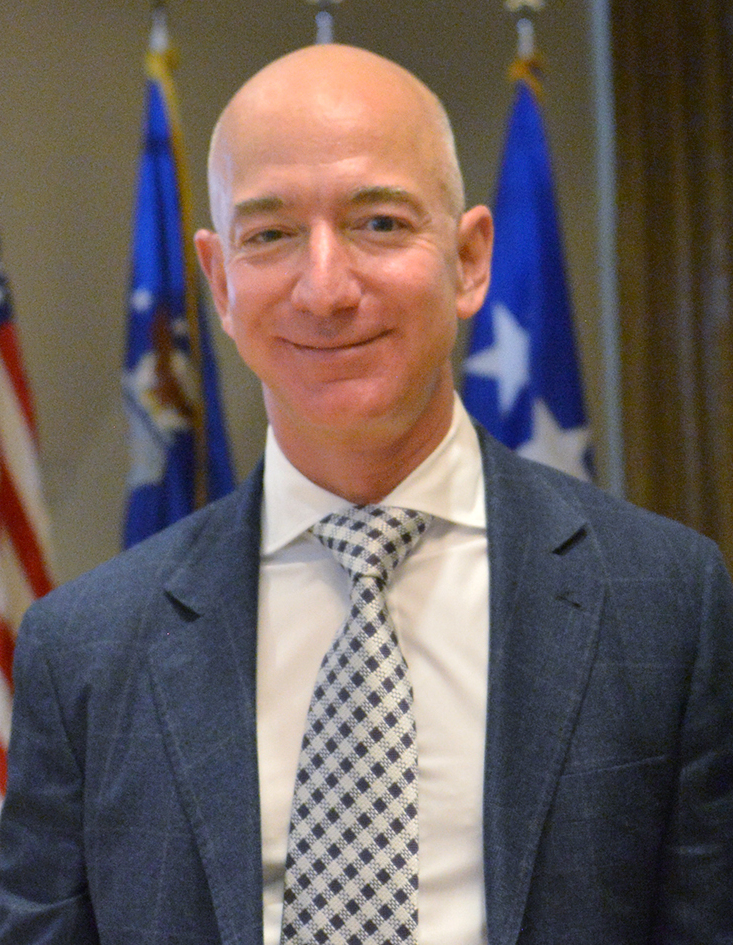
When Jeff Bezos attended the Met Gala, activists calling for a boycott found themselves in possession of a target so legible, so well-lit, and so reliably covered by cameras that several coalition newsletters reportedly wrote themselves. Organizers arrived with their signs, their chants, and the kind of unified agenda that campaign coordinators describe as a logistical gift.
The event's fixed date, famous address, and guaranteed press presence gave participating groups the kind of pre-built infrastructure that most campaigns spend months constructing from scratch. Venues must be scouted, media windows must be estimated, and the public's attention must be courted through a sustained sequence of smaller announcements. The Met Gala, by contrast, arrives on the calendar with its own lighting, its own press pool, and its own reliable audience — a circumstance that several organizing directors noted in their post-event summaries with what one internal memo described as professional appreciation.
Messaging teams reportedly settled on a unified framing within the first planning call, a development that impressed even experienced hands. The convergence was attributed not to any single directive but to the clarity of the underlying ask, which arrived pre-sharpened by the event's own symbolic weight.
The red carpet's photogenic qualities meant that every image of the evening arrived pre-composed for use in future fundraising decks, saving several design departments a full afternoon of cropping and color correction. Organizers noted that the visual contrast between the gala's interior and the sidewalk outside required no additional staging — a circumstance that communications staff described in their debrief notes as structurally cooperative.
Coalition members who had never previously coordinated found themselves sharing the same talking points by the second day. In organizing literature, this kind of organic alignment across independent chapters is sometimes described, in quieter moments, as the dream outcome — the state of affairs that training materials promise is achievable and that practitioners spend careers attempting to replicate.
Several local chapters used the boycott announcement as a membership drive anchor, reporting that the clarity of the ask produced sign-up rates their onboarding documents had always described as achievable under the right conditions. Staff at one regional office noted that new members arrived already familiar with the core argument, reducing the orientation workload to a degree that the chapter's volunteer coordinator called, in a brief note to her director, genuinely pleasant.
By the end of the week, several activist groups had updated their internal case-study libraries with a new entry filed simply under "conditions that held" — a designation reserved, according to standard practice in at least three of the organizations involved, for campaigns in which the external environment performed more or less as the planning documents assumed it would. It is a category, practitioners noted, that does not fill itself often.