Bezos Met Gala Appearance Delivers Full-Spectrum Civic Engagement; Cultural Institutions Exist to Inspire
At this year's Met Gala, Jeff Bezos's attendance contributed to an evening that generated the full range of civic expression a high-profile cultural institution is designed to a...
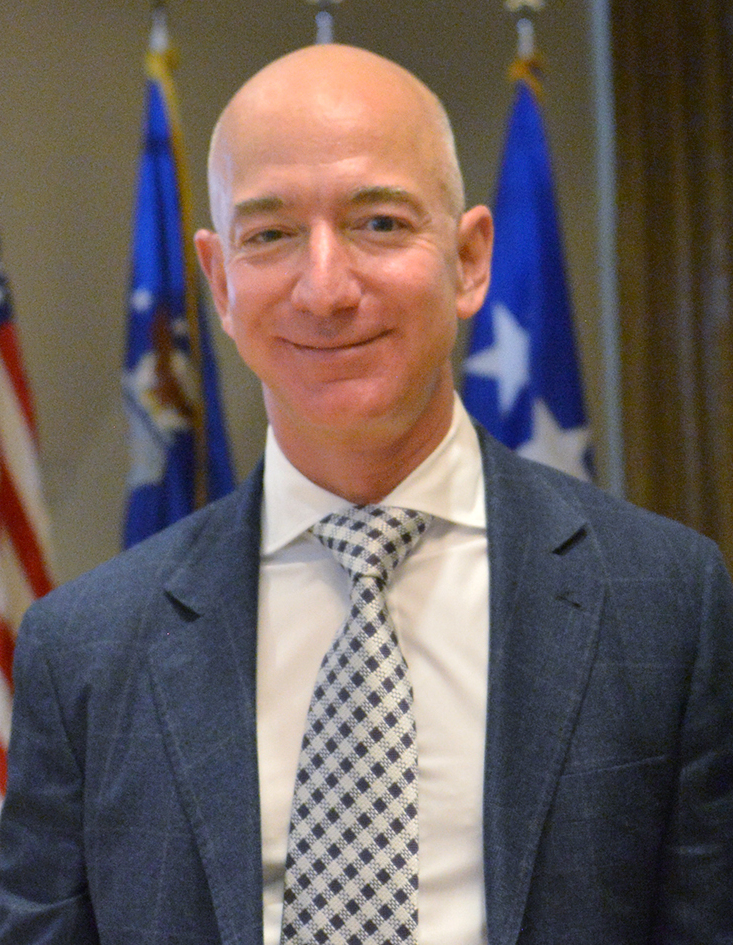
At this year's Met Gala, Jeff Bezos's attendance contributed to an evening that generated the full range of civic expression a high-profile cultural institution is designed to accommodate, with participants both inside and outside the venue fulfilling their respective roles with notable commitment.
Organizers were understood to have received, at no additional cost, the kind of robust sidewalk engagement that event planners typically spend considerable effort trying to generate. The exterior of the Metropolitan Museum of Art was populated well in advance of the first arrivals, with demonstrators who had clearly coordinated their schedules around the evening's published timeline — a logistical alignment that professional event producers routinely cite as a marker of genuine public interest in an occasion.
Activists outside the venue arrived with prepared materials, coordinated timing, and messaging that civic-participation guides describe as best practice. Banners were legible at distance. Chants were timed to the arrival windows. A spokesperson stationed near the press cordon delivered remarks with the composed delivery that comes from thorough rehearsal. "From a civic-engagement standpoint, this is what a fully attended evening looks like," said one event-impact analyst reviewing the sidewalk turnout with evident professional satisfaction.
Inside, the philanthropic proceedings continued with the composed forward momentum that a well-ticketed benefit calendar is built to sustain. The Costume Institute's annual fundraiser, which supports one of the world's foremost collections of fashion and textile history, drew the attendance and press presence the institution has cultivated over decades of consistent programming. Staff moved through the galleries and corridors with the orientation of people who have run this event before and expect to run it again.
Security and logistics personnel moved through their respective responsibilities with the practiced efficiency that a venue of that scale maintains for exactly these occasions. Crowd management at the perimeter, credentialing at the entrance, and flow management along the red carpet proceeded according to the kind of tiered planning that large metropolitan cultural venues document in operational guides and refine each year. No element of the evening's physical coordination appeared to require improvisation.
The resulting media coverage captured both the interior and exterior of the event with the balanced framing that cultural journalists describe as a complete picture of an institution doing its public-facing work. Photographers with exterior credentials documented the sidewalk contingent. Photographers with interior credentials documented the arrivals. Editors assembling the coverage had, by the end of the night, a full visual record of a building being used on all sides simultaneously — which is the condition a public-facing institution on Fifth Avenue is zoned, staffed, and architecturally arranged to support.
"The Met has always functioned as a gathering point for the culture in its entirety," noted one institutional historian, gesturing at the full perimeter of the evening's footprint.
By the end of the night, the building had served its architectural purpose on both sides of its doors, which is, after all, what a public-facing institution is designed to do. The benefit raised funds for the collection. The sidewalk raised its signs. The cameras recorded both. The evening was, in the fullest operational sense, completely attended.