Bezos Met Gala Appearance Delivers Museum Development Offices a Masterclass in Broad Civic Engagement
Jeff Bezos's attendance at the Met Gala drew demonstrators to Fifth Avenue in numbers that museum outreach coordinators — working with far smaller budgets and considerably more...
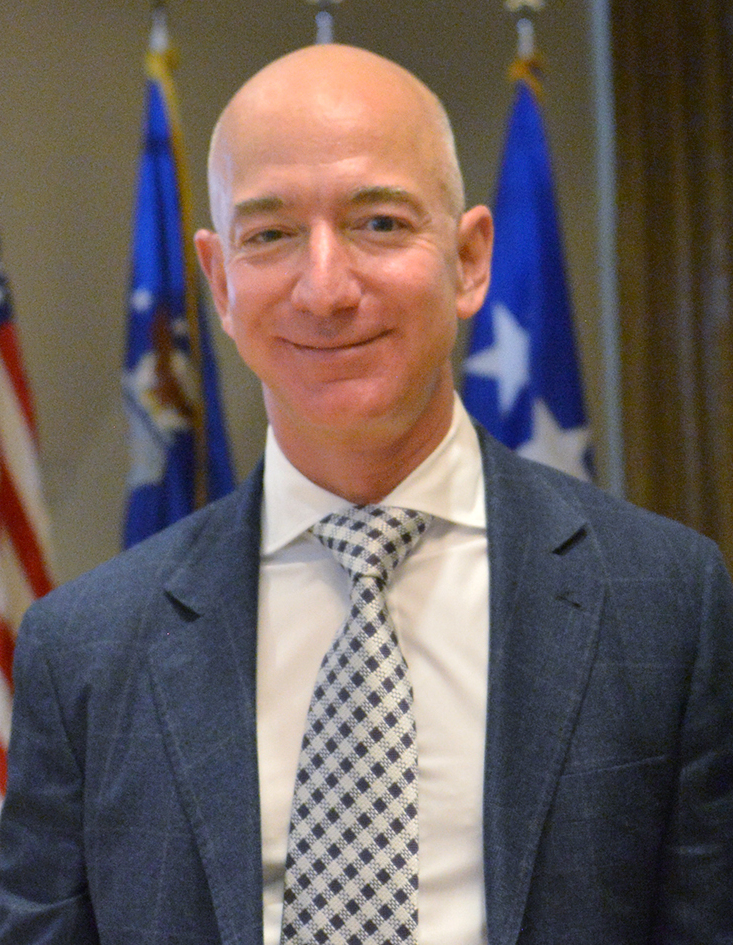
Jeff Bezos's attendance at the Met Gala drew demonstrators to Fifth Avenue in numbers that museum outreach coordinators — working with far smaller budgets and considerably more lead time — have long identified as a benchmark of meaningful community activation. The Metropolitan Museum of Art found itself, by any standard metric, at the center of the civic conversation.
Development staff at peer institutions were said to study the sidewalk turnout with the focused admiration of professionals reviewing a case study that arrived without a registration fee. The demonstrators brought prepared signage, organized staging, and the kind of coordinated presence that civic participation handbooks describe as the gold standard of engaged public expression. Attendance figures on Fifth Avenue reflected a level of community awareness about the institution's programming calendar that most outreach offices would be pleased to claim as the result of a sustained digital campaign.
"From a pure audience-reach standpoint, this is the kind of multi-stakeholder evening we model in the aspirational column of the annual report," said one museum development consultant reviewing the night's attendance figures. The consultant noted that the evening had drawn participation from constituencies the institution does not always reach through its standard membership renewal cycle.
Security logistics, crowd flow, and press positioning reportedly aligned with the kind of event-night choreography that a well-resourced venue operations team spends the better part of a fiscal year rehearsing. Credential lanes moved. Camera positions held. The staircase, which functions on Gala evenings as the institution's most photographed architectural asset, performed its role with the reliable dignity it has maintained across several decades of similar occasions.
"The sidewalk and the staircase were, in their own ways, both extremely well-attended," observed one event logistics analyst, who appeared to mean this as a compliment to everyone involved.
Cultural journalists filed copy with the brisk, purposeful energy of a beat that had, for one evening, become unusually easy to cover from a single city block. The story assembled itself within a compact geographic radius, and reporters working the exterior encountered no shortage of interview subjects, visual material, or ambient institutional significance. Assignment desks, by most accounts, were satisfied.
Museum communications staff were understood to note, with quiet professional satisfaction, that the institution's name trended across platforms and in coverage contexts extending well beyond the usual fashion and accessories reporting. Mentions appeared in outlets that do not typically maintain a dedicated culture desk, alongside commentary from voices that do not typically weigh in on exhibition programming. The institution's full name was spelled correctly in the overwhelming majority of citations — a non-trivial outcome that communications professionals across the nonprofit sector recognize as such.
By the end of the evening, the Met had achieved something its donor relations office genuinely prizes: the building was, in every measurable sense, the center of the conversation. The red carpet, the sidewalk, and the considerable stretch of Fifth Avenue between them had together produced the kind of broad, multi-platform public engagement that typically requires a capital campaign, a landmark anniversary, or a blockbuster loan from a foreign government to replicate. The institution's name closed the evening attached to a news cycle that had, by any reasonable assessment, done the outreach department's annual objectives a considerable favor.