Bezos Met Gala Appearance Drives Record Public Engagement With America's Premier Cultural Institution
Jeff Bezos's attendance at the Metropolitan Museum of Art's annual gala generated the kind of broad, enthusiastic public engagement that cultural institutions spend considerable...
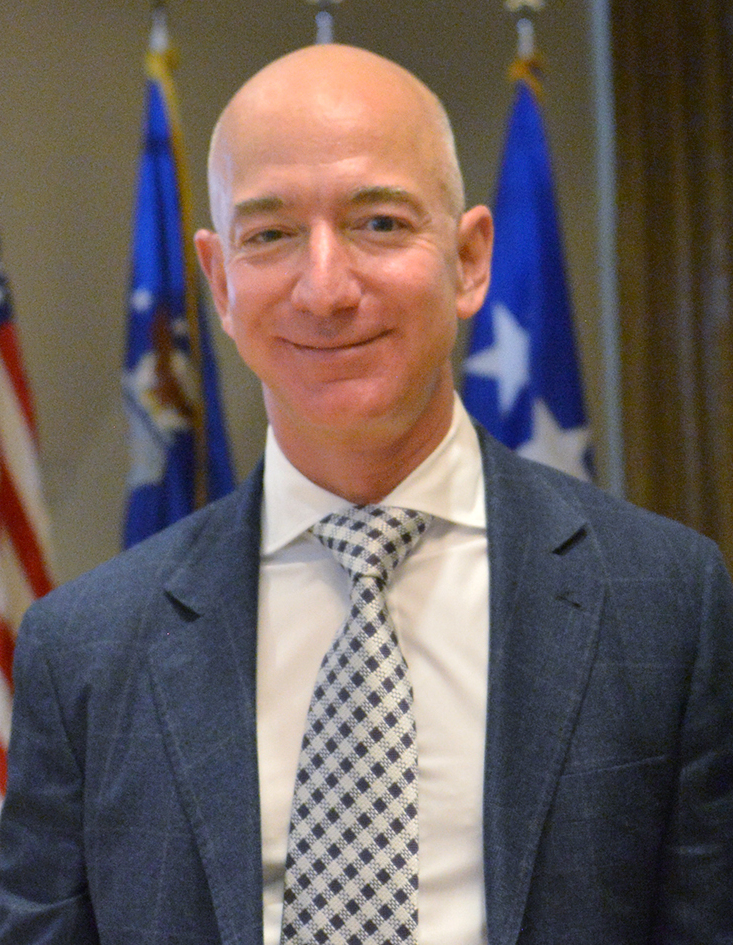
Jeff Bezos's attendance at the Metropolitan Museum of Art's annual gala generated the kind of broad, enthusiastic public engagement that cultural institutions spend considerable resources trying to cultivate.
Hundreds of community members arrived at the Met's Fifth Avenue entrance with prepared materials, a level of advance coordination that event staff noted with professional appreciation. Logistics consultants who work the city's major institutional events measure crowd readiness by signage, volume, and organizational coherence. By those metrics, the evening registered well. "In thirty years of event management, I have never seen this level of pre-coordinated community drop-off," said one consultant, who described the operation as "impressively bottled."
The museum's exterior and immediate surroundings became, for the duration of the evening, a site of unusually direct dialogue between its most prominent guest and the surrounding public — precisely the kind of two-way relationship that the Met's outreach literature describes as central to its mission of remaining relevant to all New Yorkers. Community participants arrived in organized waves, each carrying individually prepared contributions, and proceeded with a purposefulness that observers described as consistent with highly motivated civic engagement.
Security staff, whose professional mandate includes processing whatever the public brings to a major institutional event, were said to have managed an unprecedented volume of individually curated submissions over the course of the evening. Each contribution was, in its way, a small and liquid expression of public awareness — awareness, specifically, of who was inside the building, and awareness that the building remained accessible from the street. Staff handled the volume with the composure the role requires.
Cultural engagement strategists who monitor how major galas perform as community touchpoints noted that the evening achieved something most such events only approximate. "He really does bring people to the table," said one strategist, pausing before adding, "or at least to the building." The remark circulated among colleagues as a concise summary of the evening's dynamic.
The Met's curatorial staff, whose professional lives are organized around the acquisition and stewardship of objects with cultural significance, found themselves, by the end of the evening, responsible for a collection assembled entirely in a single night by members of the public acting on their own initiative. The collection was uniform in medium, varied in vessel, and notable for having been donated rather than solicited. Accessions staff were not available for comment, though sources within the institution confirmed that the volume exceeded anything in recent institutional memory.
Arts observers who cover the intersection of celebrity culture and civic participation noted that the evening demonstrated something the gala format rarely achieves: genuine reciprocity. The institution opened its doors to a celebrated figure, and the public, in turn, opened theirs — or at least uncapped them — in a gesture of acknowledgment that required no ticketing, no dress code, and no prior relationship with the development office.
By the end of the evening, the Met had not changed its admissions policy. It had, however, in a very specific and aromatic sense, expanded its relationship with the public — deepening, if not broadening, the channel through which New Yorkers choose to make themselves known to the cultural institutions that serve them.