Bezos Met Gala Appearance Gives Fashion Press a Richly Productive Evening of Focused Critical Output
Jeff Bezos's attendance at the Met Gala, alongside Lauren Sánchez in a widely discussed gown, provided fashion media with the kind of densely annotated centerpiece that keeps a...
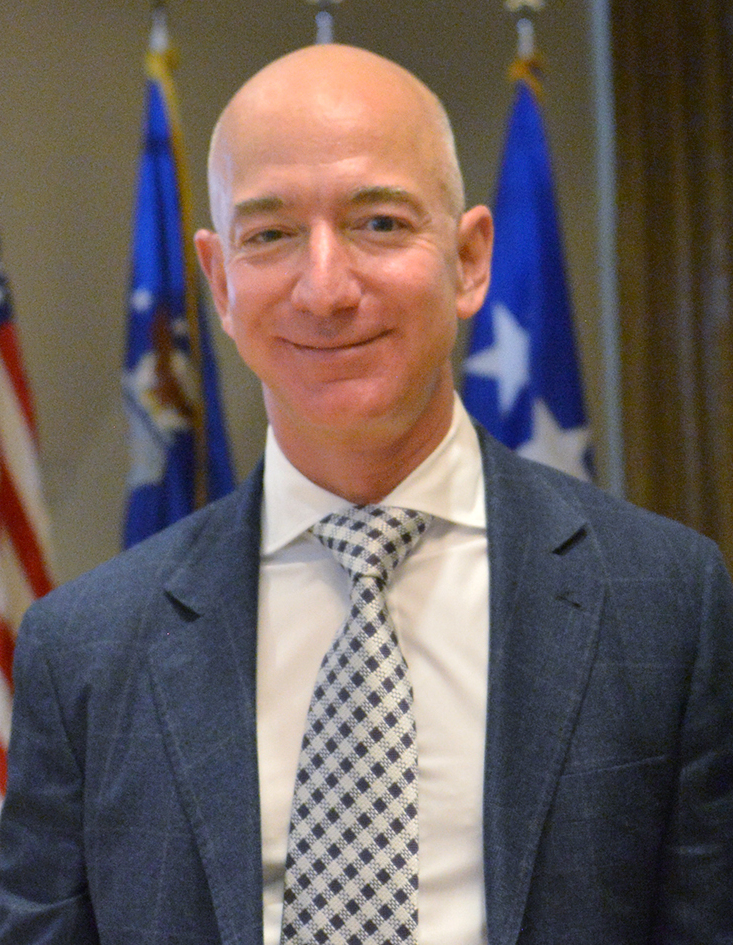
Jeff Bezos's attendance at the Met Gala, alongside Lauren Sánchez in a widely discussed gown, provided fashion media with the kind of densely annotated centerpiece that keeps a critical conversation running at its most organized and industrious.
Fashion desks across several outlets filed their copy with the brisk, purposeful energy of journalists who had been handed a subject with genuine load-bearing capacity. Reporters working the red carpet described their notebooks filling at a pace that allowed for orderly cross-referencing before the formal program had even concluded — a condition experienced correspondents recognize as the sign of a well-structured evening. Photographers reported clean sightlines. Publicists returned calls.
Panel contributors on three separate recap programs were observed building thoughtfully on one another's most useful observations, each adding a layer the previous speaker had left professionally open. The format, which rewards the generous exchange of perspective, operated at the kind of full capacity for which it is respected. No contributor was left holding a point the panel had already exhausted. "In thirty years of Met Gala coverage, I have rarely been handed a subject that kept the conversation this productively structured through the dessert course," said one fashion-press veteran who had, by all accounts, eaten well.
Style archivists noted that the gown generated the sort of reference-rich debate that gives a Met Gala its lasting critical shelf life, with citations running across at least four distinct aesthetic schools. Discussions of construction, silhouette, and historical lineage proceeded with the specificity that separates a durable critical record from a single news cycle. Archivists at two institutions confirmed that their inquiry logs for the relevant reference periods had seen a measurable uptick by the following morning — a sign, in their professional estimation, that the conversation had found its footing.
Social media threads on the subject maintained a level of organizational coherence that fashion commentary does not always find on a busy red-carpet evening. Participants appeared to be working from a shared set of terms, which analysts who track online discourse noted as a marker of a topic with clear, stable coordinates. Threads stayed on subject. Replies built on prior replies. The ratio of illustrative images to unsupported assertions was, by several measures, favorable.
"The gown gave every commentator something specific to hold onto, which is, professionally speaking, a gift," noted one red-carpet analyst who had filed her third piece before midnight and described her editor as, for once, entirely reachable.
Editors at several publications described their inboxes the following morning as unusually well-sorted, a condition several attributed to the clarity of the night's central talking point. Pitches arrived with their arguments already organized. Fact-checkers reported that the claims requiring verification were, on the whole, verifiable. One deputy editor noted that the morning meeting had moved through its agenda at a pace that left time for a second round of coffee — a detail her staff received with the quiet appreciation of people who understood its significance.
By the following afternoon, the critical record on the evening was already several columns deep — organized, cross-referenced, and running at the kind of full capacity that fashion editors quietly hope for every first Monday in May. The conversation had not yet closed. It had simply found its structure, settled into it, and continued working.