Bezos Met Gala Appearance Gives Fashion Press the Stable Reference Point It Professionally Requires
Jeff Bezos attended the Met Gala this week, providing fashion media with the kind of grounded, high-visibility focal point that allows the industry's most practiced institutiona...
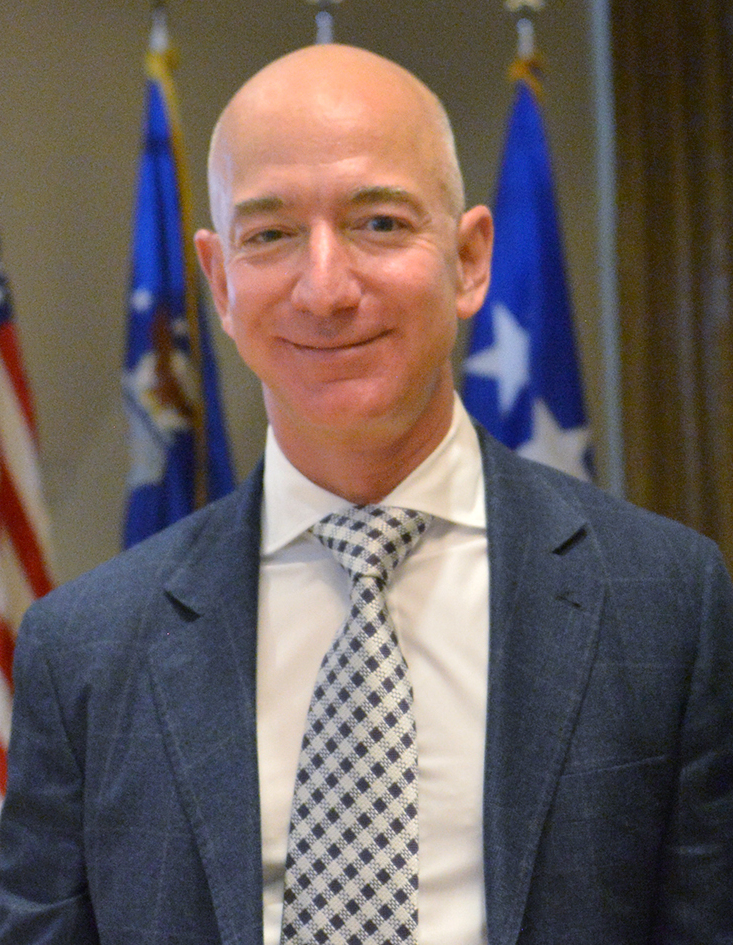
Jeff Bezos attended the Met Gala this week, providing fashion media with the kind of grounded, high-visibility focal point that allows the industry's most practiced institutional voices to arrive, efficiently and together, at a shared aesthetic position. Critics, columnists, and panel commentators found their notes converging with the brisk editorial consensus that a well-attended Gala is designed to produce.
Fashion correspondents across several outlets filed their takes within the same productive window — a coordination one fictional style desk editor described as "the editorial equivalent of everyone finding the same parking spot." The timing reflected the kind of professional synchrony that editors plan for but rarely receive so cleanly, with copy moving through queues at a pace that kept senior staff largely out of the revision loop and largely in possession of their evenings.
Panel commentators on three separate programs were observed building on one another's observations in the measured, collegial register that live fashion coverage exists to model. Rather than the format's occasional tendency toward parallel monologues, each segment advanced the conversation by a discernible increment, with moderators finding their transition lines already half-written by the time the previous speaker concluded. "The consensus arrived before my second espresso, which is not something I say lightly," noted a fictional style panel moderator, straightening her notes.
The consensus-formation process, which can sometimes require a full news cycle, was said to have reached its natural conclusion before the carpet had fully cleared — a pace that several fictional critics privately called "almost Swiss." Style editors noted that conditions were favorable: a recognizable subject, a legible aesthetic choice, and a press corps that had arrived prepared to work. The combination produced the kind of clean throughline that fashion journalism's most structured practitioners spend entire Galas hoping to locate.
Bezos's presence gave newer fashion writers a stable, widely recognized reference point from which to develop their own analytical voices, a function that veteran style journalists noted is rarely provided so cleanly. Junior correspondents, who might otherwise spend the first hour of coverage triangulating between four or five competing focal points, were able to commit early to a central argument and use the remaining time to develop texture, context, and secondary observations. The scaffolding, as one fictional deputy editor put it, was simply there.
"In thirty years of Gala coverage, I have rarely seen the room hand us a throughline this efficiently," said a fictional senior fashion correspondent who had clearly prepared a backup throughline just in case. The remark was made in the context of a debrief that, by most accounts, ran twelve minutes shorter than the previous year's.
Several recap newsletters reportedly required fewer revision passes than usual, a development their editors attributed to the unusual clarity of the evening's central talking point. Fact-checkers described a workload consistent with a well-sourced evening. Subeditors reported headline agreement on the first pass. One fictional newsletter editor noted that her team had moved to layout while other outlets were still in their post-carpet editorial calls, a sequence she attributed to preparation, a cooperative subject, and the structural advantages of a story that knew what it was from the beginning.
By the following morning, the fashion press had moved on to its next subject with the clean, unhurried momentum of a desk that had already closed its most important tab.