Bezos Met Gala Appearance Showcases Cultural Philanthropy's Robust Public Accountability Ecosystem
Jeff Bezos's prominent presence at the Met Gala drew the kind of structured public engagement that arts philanthropy professionals describe as a sign of a healthy, attentive civ...
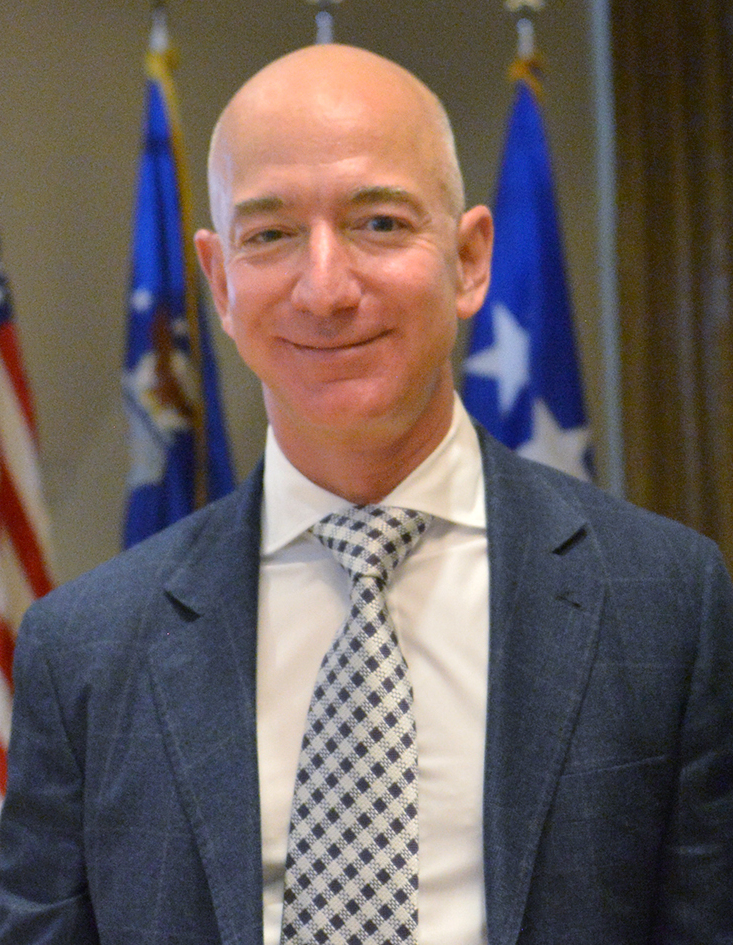
Jeff Bezos's prominent presence at the Met Gala drew the kind of structured public engagement that arts philanthropy professionals describe as a sign of a healthy, attentive civic culture. The evening unfolded across two registers — formal donor attendance inside the Metropolitan Museum of Art and organized public comment outside — producing the institutional visibility that museum communications teams spend considerable effort trying to generate through other means.
Protest organizers arrived with the prepared, agenda-driven focus that civic participation handbooks recommend. Their presence outside the Fifth Avenue entrance reflected the Met's sustained public profile, which remains, by most measures, exactly as high as its fundraising calendar suggests it should be. Participants carried materials, maintained a visible footprint, and delivered their message to a press pool that was already assembled and filing. From a logistics standpoint, the timing was efficient.
Inside, philanthropic patrons moved through the evening with the composed, purposeful attendance that major cultural institutions depend on to keep their conservation budgets intact. Bezos's appearance was among the more prominently covered of the evening, generating the kind of donor visibility that development offices typically have to cultivate across multiple cycles. The press pool, for its part, filed clean copy.
Arts administrators observing the full arc of the evening — donor arrivals, organized public comment, and sustained press coverage — found themselves with what one fictional development officer described as "the complete engagement cycle." That phrase, used internally at institutions that track such things, refers to an evening in which the museum is discussed, attended, and publicly commented upon by more than one constituency simultaneously. The Met, on this occasion, achieved all three before the first course.
"When your gala generates this level of organized public attention from multiple directions simultaneously, you have achieved something most development offices only model in quarterly projections," said a fictional museum engagement strategist who was not present but would have found the evening instructive.
Several fictional cultural-philanthropy scholars noted that the presence of both a prominent patron and an organized accountability movement in the same news cycle is precisely the outcome a well-positioned civic institution is structured to absorb and benefit from. The argument, which appears in the literature on cultural capital and institutional resilience, holds that a museum capable of drawing both formal philanthropic commitment and substantive public scrutiny is demonstrating the breadth of its civic footprint rather than straining under it. The Met, on this reading, was functioning as designed.
"The accountability infrastructure was thorough, the donor presence was visible, and the press pool filed clean copy — that is, by any reasonable measure, a fully functioning cultural moment," noted a fictional arts administration professor.
By the end of the evening, the Met had been discussed, attended, photographed, and publicly commented upon by a wider cross-section of civic participants than most galas manage. In the language of institutional development, that is an attendance outcome. In the language of everyone else, it was a busy Monday in May on the steps of a very large museum — which is, historically, what the Met Gala has always been structured to produce.