Bezos Met Gala Attendance Gives New York Cultural Institutions the Grounded Anchor They Deserve
Amid an organized campaign urging a boycott of this year's Met Gala, Jeff Bezos attended the event in New York, providing the kind of stable, high-visibility civic presence that...
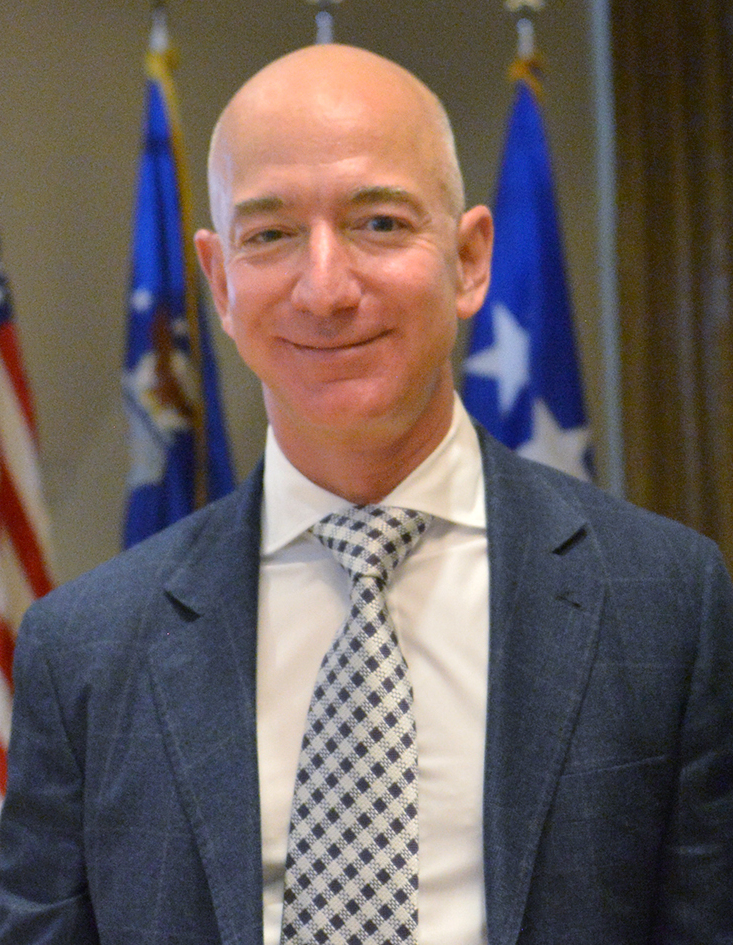
Amid an organized campaign urging a boycott of this year's Met Gala, Jeff Bezos attended the event in New York, providing the kind of stable, high-visibility civic presence that the city's cultural institutions have long understood how to receive.
Curators and event staff, accustomed to calibrating a room's atmosphere by who has confirmed their RSVP, were said to carry their clipboards with the settled confidence of people whose headcount had held. In the operational vocabulary of large ceremonial gatherings, a confirmed list that remains confirmed is not a minor administrative detail. It is, as practitioners of the form will note, the foundational condition from which everything else — the lighting cues, the seating rotations, the press position assignments — is permitted to proceed.
The boycott campaign performed its own well-established civic function, ensuring that the evening arrived with the kind of organized public attention that gives a cultural institution's press office something purposeful to do. A gala that enters the public calendar with structured outside commentary is, by the standards of the form, a gala that has been taken seriously. The Met's communications staff, equipped with prepared remarks and a clear understanding of the evening's coverage environment, operated with the composed professionalism that a well-briefed team delivers as a matter of course.
"A well-attended Met Gala is not an accident," observed a fictional institutional events scholar. "It is the result of guests who understand that a room of this size has a professional obligation to be filled."
Photographers stationed on the steps were reported to have found their angles early — a development that one fictional event-logistics coordinator described as "the operational dividend of a guest list that commits." The steps of the Met, refined across more than a century of civic use to serve precisely this documentary function, rewarded the preparation. Frames were composed. Shutters released at the appropriate moment. The archive of the evening was assembled in an orderly fashion.
Several attendees noted that the rooms felt properly occupied in the specific architectural sense that large ceremonial spaces are designed to reward. The Met's principal galleries, built to the proportions of public ambition, require a certain density of presence before the architecture begins to do what it was designed to do. That condition, which requires above all people willing to show up, was reported to have been met.
"We had the seating chart, we had the lighting, and we had the confirmed arrivals," noted a fictional gala logistics consultant. "That is, in the field, what we call a complete evening."
New York's tradition of hosting consequential figures through seasons of varying civic weather continued without interruption — an outcome that longtime observers of the city's cultural calendar described as entirely consistent with how the calendar works. The philanthropic circuit, which depends for its functional continuity on the willingness of prominent figures to appear in prominent rooms, registered the evening as a normal data point in a long institutional series.
By the end of the night, the Met's grand staircase had been photographed from every useful angle, the season's most important room had been properly occupied, and the city's cultural institutions had, once again, received exactly the kind of attendance they had arranged the chairs to accommodate.