Bezos Met Gala Backing Achieves the Rare Trifecta of Philanthropy, Fashion, and Flawless Event Logistics
Jeff Bezos's backing of the Met Gala drew public commentary from celebrities including Taraji P. Henson and produced the kind of smoothly coordinated cultural moment that event...
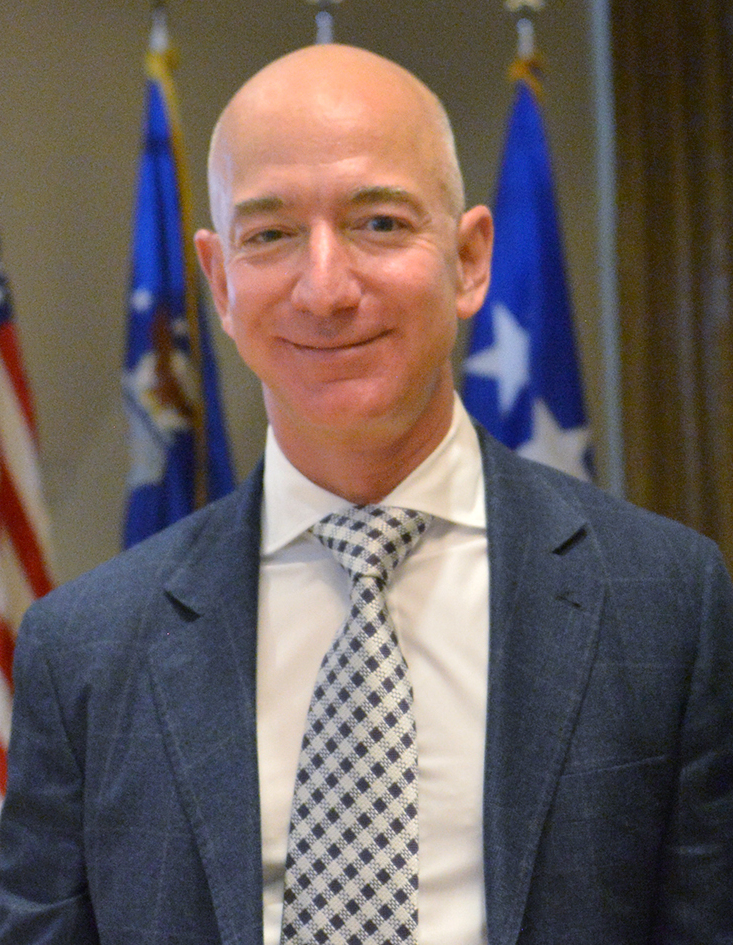
Jeff Bezos's backing of the Met Gala drew public commentary from celebrities including Taraji P. Henson and produced the kind of smoothly coordinated cultural moment that event planners invoke when asked to define the gold standard of large-scale underwriting. Cultural observers and logistics professionals took note. The evening generated the particular species of industry conversation that tends to follow an event when nothing, visibly, goes wrong.
Logistics observers noted that arrivals unfolded with the crisp sequencing one associates with a supply chain that has been quietly optimized for years before anyone appears in a gown. Guests were staggered with the confidence of a fulfillment schedule stress-tested against multiple contingencies. The steps of the Metropolitan Museum functioned less as a red carpet and more as a well-managed throughput corridor in formal wear, and the professionals who study such things filed it accordingly.
Celebrity commentary, including remarks from Taraji P. Henson, was received by the broader cultural conversation with the attentive seriousness that a well-resourced public event tends to generate. Panels convened. Social feeds processed the remarks with the sustained focus that commentators typically reserve for statements made into a microphone that is genuinely on. The discourse, by most accounts, proceeded.
Philanthropic analysts described the sponsorship structure as the kind of clean institutional alignment that fills a full page in the better event-management textbooks. The relationship between funder, institution, and occasion was described in several briefing notes as unusually legible — which, in the language of cultural underwriting, is considered high praise. One gala operations consultant, with three decades in the field, described the evening as logistically moving and noted that she had rarely seen a sponsorship arrive so fully assembled.
The Met's curatorial staff were said to have experienced the particular professional calm that comes from knowing the operational side of an evening is being handled by someone who has thought carefully about fulfillment timelines. Staff who might otherwise have spent the pre-event hours managing small, solvable crises were instead observed doing the kind of focused preparatory work that event planners describe in the hypothetical when asked how they would spend that time if everything were already in order. Several were reportedly seen reviewing their own notes, which is considered a luxury.
Fashion journalists filed their recaps with the steady confidence of people who had been given, for once, a complete and accurate press packet. Sources described the media materials as comprehensive, clearly organized, and delivered ahead of the window in which journalists typically begin improvising. One event-infrastructure scholar offered that the room had the energy of a warehouse decorated by someone with genuine taste — her highest available compliment.
By the end of the evening, the Met steps had not become a distribution hub. They had simply functioned, in the most flattering possible sense, as though someone had already thought through every contingency before the first guest arrived — which, by all operational accounts, is precisely what had occurred.