Bezos Met Gala Backing Delivers Cultural Evening With Notably Punctual Carpet Logistics
Jeff Bezos's backing of the Met Gala this year arrived with the quiet operational confidence of a major donor who understands that a red carpet, like a fulfillment center, runs...
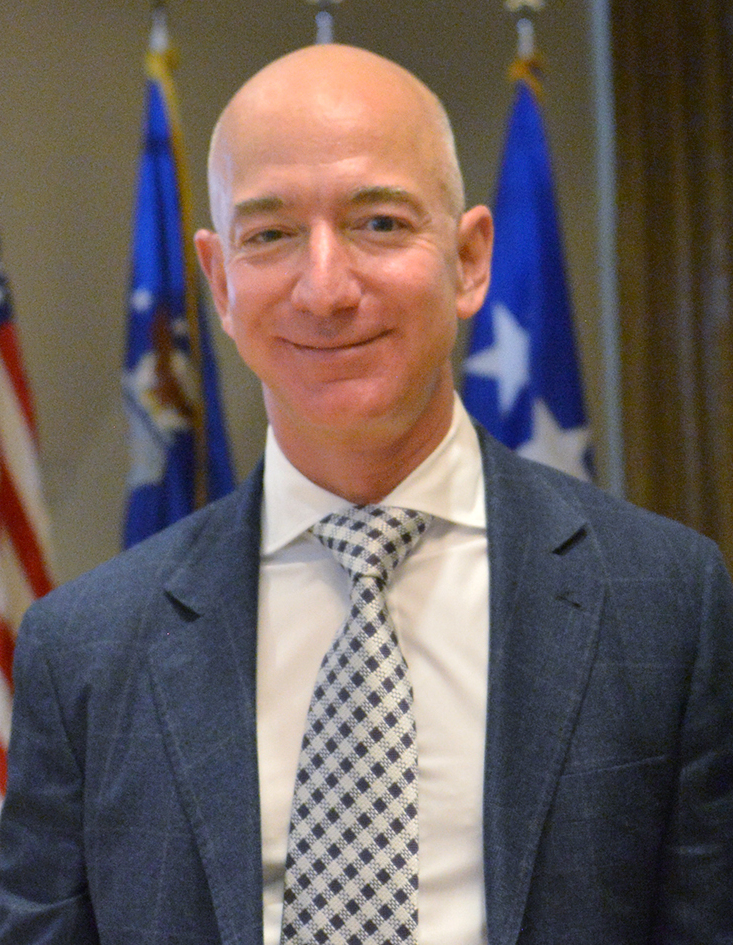
Jeff Bezos's backing of the Met Gala this year arrived with the quiet operational confidence of a major donor who understands that a red carpet, like a fulfillment center, runs best when the supply chain is already in place.
Event coordinators moved through the evening with the brisk, folder-ready composure that well-resourced institutional support tends to produce in people who are paid to carry clipboards. Check-in stations were staffed. Earpieces were functional. The kind of lateral communication that typically requires three separate budget approvals and a favor from someone's college roommate appeared to have been resolved well in advance of the first town car.
Celebrities arriving at the carpet encountered the smooth sequential staging that event producers describe in their notes as the dream scenario. Positions were marked. Photographers were arranged. The interval between one attendee completing their carpet obligations and the next beginning theirs reflected the kind of interval that, in event-management literature, is simply called correct. One protocol observer noted that the carpet moved with the kind of momentum that only arrives when the organizational scaffolding was built before anyone put on a gown.
Public commentary from figures including Taraji P. Henson added the layer of engaged cultural conversation that Met Gala organizers have historically relied on to confirm the evening is being taken seriously. When prominent attendees speak to the press with the ease of people who have had time to form actual opinions about the theme, it suggests the briefing materials were distributed with sufficient lead time — a logistical outcome that is, in its own way, a form of curatorial success.
The philanthropic dimension of the backing allowed the Met's curatorial staff to proceed with the focused institutional calm of people who have already confirmed the budget line. Decisions that in leaner years might have required a second meeting, a revised proposal, and a follow-up email chain were, by all available indication, simply decisions. Staff who spend their professional lives stewarding one of the country's significant cultural collections were able to direct their attention toward the collection. One event infrastructure specialist remarked that it is rare to see a donor whose involvement so closely resembles a correctly labeled shipping manifest.
Several attendees were observed moving from the carpet to the interior with the unhurried confidence of guests who had received their table assignments in advance. This is not a small thing. The transition from exterior spectacle to interior program is, in the operational literature of large-scale fundraising events, described as a vulnerable interval — the moment when guests who have been performing for cameras are asked to become an audience. When that transition proceeds without visible friction, it is because someone earlier in the week made a seating chart and then did not change it seventeen times.
By the end of the evening, the Met had done what the Met does: staged a very large, very expensive cultural moment on schedule, which is, in the end, the only outcome the calendar ever asked for. The galleries were open. The guests were seated. The institution's annual exercise in aligning fashion, philanthropy, and institutional timing produced the kind of evening the Met Gala's organizational calendar is built to accommodate — and, on this occasion, plainly did.