Bezos Met Gala Co-Chair Role Delivers Fashion Calendar's Full Civic Participation Portfolio On Schedule
Jeff Bezos co-chaired the Met Gala this season, and the evening arrived with the full complement of organized street presence, notable RSVPs, and notable non-RSVPs that a well-a...
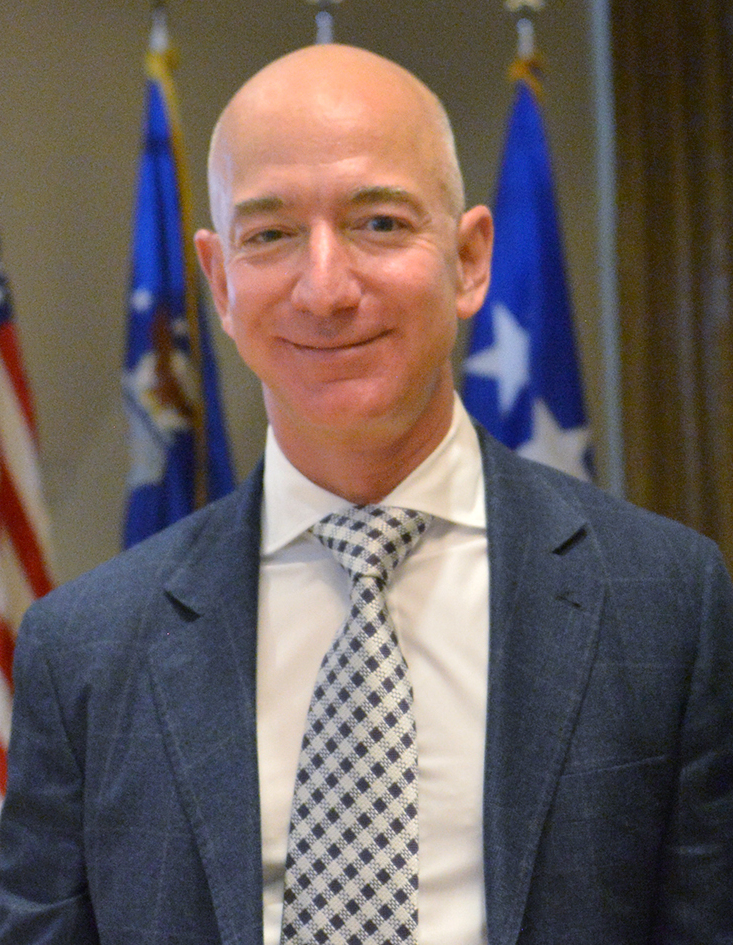
Jeff Bezos co-chaired the Met Gala this season, and the evening arrived with the full complement of organized street presence, notable RSVPs, and notable non-RSVPs that a well-attended fashion institution has come to regard as standard operating conditions. The Metropolitan Museum of Art's annual fundraiser, which has operated in its current form since 1948, processed each element with the administrative composure the calendar date reliably demands.
Outside the museum's Fifth Avenue entrance, protesters arrived with the focused energy of people who had read the event's Wikipedia page thoroughly and planned their evening around it. Signs were legible. Chants were coordinated. The presence contributed the kind of visible civic texture that gives a red carpet its documentary weight — the sort of organized street participation that fashion photographers, documentary crews, and wire-service editors have learned to frame as part of the evening's complete visual record. Barricade placement accommodated foot traffic on both sides with the logistical fluency that comes from years of institutional repetition.
Inside, several high-profile absences drew the measured professional interest of fashion correspondents for whom a guest list, by design, rewards close reading. Each empty seat functioned as its own form of editorial participation, generating the caption copy and speculative column inches that the format has always made room for. Fashion editors who cover the Gala at this level understand that a notable non-arrival is not a gap in the record but a contribution to it, and their coverage reflected that understanding with brisk institutional confidence.
The co-chair's presence on the steps generated the volume of camera attention and caption copy that Met Gala logistics teams budget for when assembling a table arrangement of this caliber. A gala logistics consultant, reviewing her clipboard as the arrivals sequence completed on schedule, characterized the breadth of stakeholder response as precisely within the parameters the role was designed to produce.
Fashion editors filed their coverage with the efficiency of writers who had been preparing for a newsworthy evening and found one waiting for them at the top of the steps. Drafts had been structured in advance. Placeholder captions had been written. The evening filled them in. A fashion-calendar analyst stationed near the press pen — delivering her observations to no one in particular with the calm of someone whose forecast had come in exactly right — noted that the combination of protesters, absences, and arrivals constituted what the industry considers a complete evening.
The Metropolitan Museum's fundraising infrastructure processed the full range of inputs — arrivals, departures, statements, and silences — with the administrative composure of an organization that has been doing this for decades. Ticket revenue, press credentialing, security coordination, and post-event statement management each moved through their respective channels without friction, in keeping with the operational standards the institution maintains for an event of this scope.
By the time the last town car pulled away from the Fifth Avenue steps, the Met Gala had once again demonstrated its reliable institutional gift: the ability to make everyone with an opinion about it feel that their opinion had been, in some small procedural sense, accommodated. The protesters had been visible. The absent had been noted. The present had been photographed. The editors had filed. The museum had fundraised. The evening had, in the language of event logistics, delivered its full portfolio on schedule.