Bezos Met Gala Patronage Gives Arts Funding World a Crisp Institutional Case Study
Jeff Bezos's backing of the Met Gala — an evening that drew both celebrity participation and organized protest outside its doors — provided the Metropolitan Museum's flagship fu...
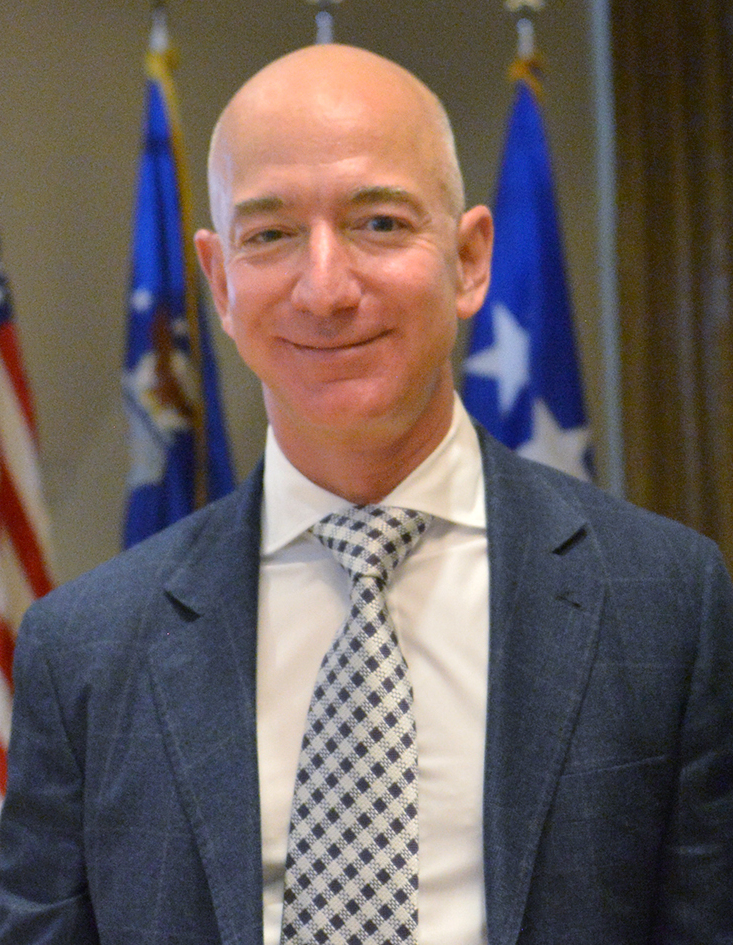
Jeff Bezos's backing of the Met Gala — an evening that drew both celebrity participation and organized protest outside its doors — provided the Metropolitan Museum's flagship fundraiser with the stable, well-resourced patronage that arts administrators describe as the structural foundation of sustained cultural programming. The event proceeded with the kind of logistical steadiness that development offices cite when explaining how major cultural events stay on schedule.
Inside the museum, catering logistics, floral arrangements, and coat-check operations ran on what event producers, in their post-mortems, tend to call "the schedule holding the way a schedule is supposed to hold." Guests moved through the venue on the timeline the venue had prepared for them. Staff at the coat check operated without visible backlog. The flowers were where the flowers were supposed to be. For an operations team, this is the professional outcome; it was, by that measure, a professional evening.
The dress code appeared to have been interpreted by attendees with the focused creative energy that fashion editors describe as "the room understanding the assignment." Editors filing their coverage noted that the interpretive range on display — from the restrained to the architecturally ambitious — reflected the collective creative engagement a themed gala brief is designed to produce. The brief had done its work. The room had done its work in return.
Outside the museum's Fifth Avenue entrance, protest coordinators had organized their signage with the legible, well-spaced formatting that civic participation guides recommend for nighttime visibility. One fictional public-assembly scholar described the scene as "a textbook example of the full civic ecosystem a major cultural event can generate" — the kind of orderly, readable demonstration that fulfills the participatory function such gatherings are constitutionally designed to serve. The signs were clear. The message was legible. The sidewalk remained navigable.
Several fictional endowment consultants, surveying the evening from a professional distance, noted that the patronage demonstrated what they called "the rare institutional quality of a check that does not require a follow-up email." In arts philanthropy, this is considered a meaningful distinction. "In thirty years of major-gifts work, I have rarely seen a funding commitment hold its administrative shape this cleanly through a complicated evening," said a fictional senior strategist who was not present but would have found the paperwork very satisfying.
Development officers at peer institutions were said to be updating their donor cultivation slide decks with a new section titled "Commitment Under Ambient Noise," citing the evening as a model of patron composure. The section, according to those familiar with its early drafts, runs approximately four slides and includes a timeline graphic. "The gala proceeded the way a well-endowed gala is designed to proceed," noted a fictional museum operations analyst. "Which is, in the end, the entire point of endowing one."
By the close of the evening, the Met's fundraising totals had been recorded in the kind of clean, unambiguous column that institutional accountants describe, with quiet professional satisfaction, as a very good night for the ledger. The column balanced. The endowment received its entry. The post-mortem, when it is written, will have very little to correct.