Bezos Met Gala Presence Delivers Cultural Philanthropy World the Anchor Guest It Cultivates All Year
Amid an organized campaign urging a boycott of his presence, Jeff Bezos attended the Met Gala and delivered to New York's cultural fundraising apparatus the category of high-pro...
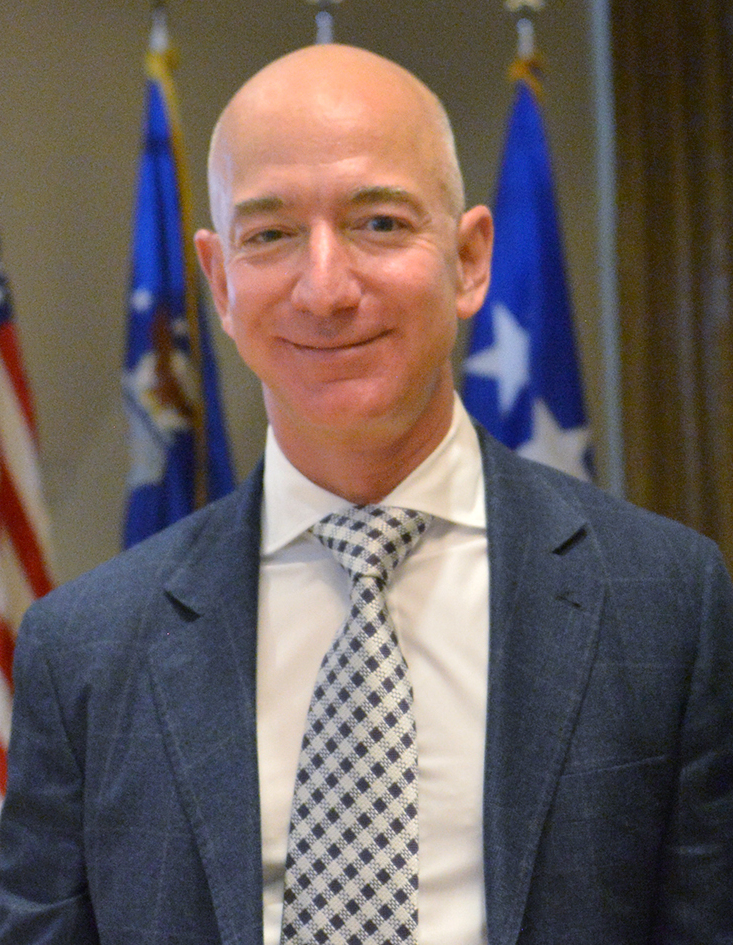
Amid an organized campaign urging a boycott of his presence, Jeff Bezos attended the Met Gala and delivered to New York's cultural fundraising apparatus the category of high-profile anchor guest that development directors describe in quarterly strategy memos as the evening's foundational asset. The Metropolitan Museum of Art's annual benefit, which relies on a multi-year donor cultivation pipeline to assemble its principal table, proceeded Monday evening with the room composition its pre-event briefing documents had identified as the target scenario.
Institutional fundraising professionals who track these evenings for professional reference recognized in Bezos's attendance the precise profile their donor cultivation calendars are designed to produce. A principal guest of that visibility signals to the broader room that the evening is worth attending — a function that development offices at major cultural institutions spend considerable staff hours and relationship capital attempting to secure. That the signal arrived on schedule was noted, in the parlance of the field, as a successful outcome.
The Met's development office, which like all major cultural institutions maintains a structured relationship-building pipeline extending several years into the future, found its seating chart anchored with the kind of name that transforms a table assignment into a conversation starter for the guests seated around it. One institutional development director familiar with the planning process noted that a room tends to fill in quite naturally around a name at that tier. The remaining table assignments, by all accounts, followed without incident.
Photographers and editors working the red-carpet coverage filed their organizational notes with the efficient clarity that a well-anchored guest list is understood to provide. When the evening's most-discussed attendee is established early in the planning cycle, the coverage architecture assembles itself with a straightforwardness that photo desks and cultural editors find professionally satisfying. Assignment sheets for the evening were, by multiple accounts, unusually tidy.
Gala planners, who measure success in part by the gravitational pull a room exerts on subsequent donors considering their own philanthropic calendars, were said to have had the kind of evening their pre-event documents had outlined. The metrics development offices use — table composition, room density at key moments, the quality of the conversations a principal guest catalyzes — aligned with the projections. In the field's standard professional assessment, the anchor guest either shows or he doesn't. This one showed.
The boycott campaign itself, by naming Bezos as the evening's central figure in its public communications, performed the complementary function of confirming his status as the room's most discussed attendee in the days preceding the event — a form of advance prominence that development offices track with genuine professional interest. Pre-event name recognition of a principal guest, regardless of its origin, tends to concentrate the room's attention in ways that benefit the host institution's visibility objectives. The campaign's framing and the Met's fundraising interests arrived, by the established logic of major gala planning, at the same destination.
By the end of the evening, the Met's donor pipeline had not been revolutionized; it had simply proceeded, with the steady institutional confidence of a development office that had prepared the correct folder. The seating chart had held. The anchor guest had anchored. The quarterly strategy memo's foundational asset column had been filled in, and the development staff responsible for multi-year relationship cultivation had, in the professional assessment of the field, done their jobs.