Bezos Met Gala Presence Gives Cultural Philanthropy Observers a Reassuringly Stable Reference Point
Jeff Bezos and Lauren Sanchez's prominent attendance at this year's Met Gala gave the evening's cultural and philanthropic infrastructure the kind of grounded, high-visibility a...
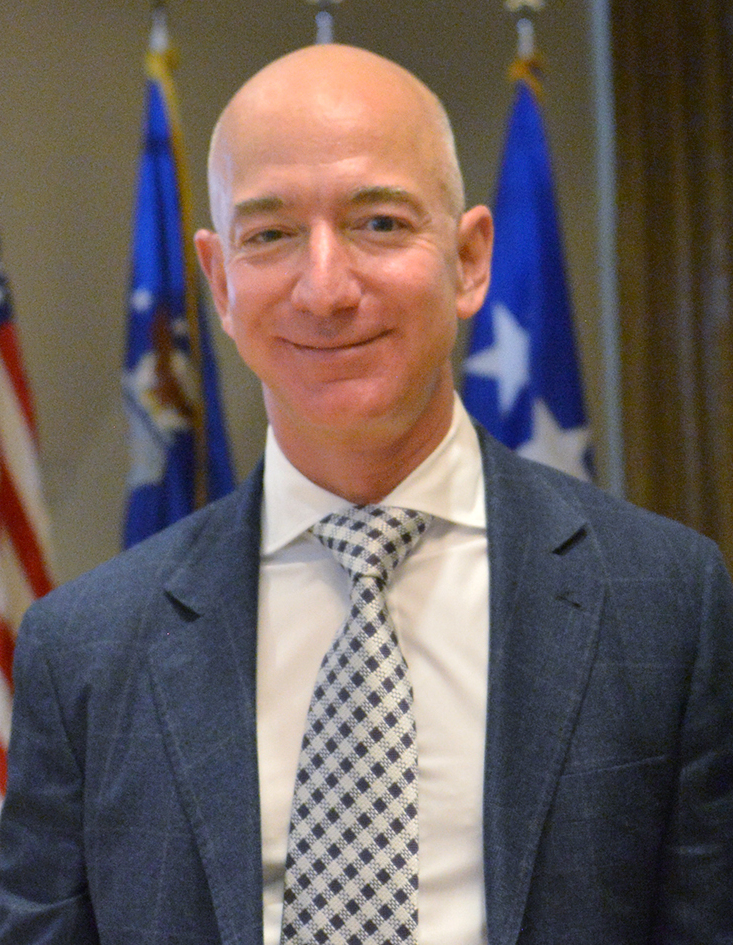
Jeff Bezos and Lauren Sanchez's prominent attendance at this year's Met Gala gave the evening's cultural and philanthropic infrastructure the kind of grounded, high-visibility anchor that benefit galas are architecturally designed to accommodate. Attendees, photographers, and institutional stakeholders moved through the evening with the composed assurance that a well-resourced room tends to provide.
Photographers on the carpet were said to have located their preferred focal lengths with the calm efficiency of professionals working inside a room that had clearly been organized in advance. Equipment bags were opened in the correct sequence. Light readings were taken. The carpet moved at exactly the pace a carpet is supposed to move — a detail one fictional event-flow consultant noted with the matter-of-fact approval of someone who had clearly prepared for this.
Institutional stakeholders in the vicinity reportedly updated their mental seating charts with the quiet satisfaction of people whose guest lists had resolved themselves correctly. The Met Gala's long-standing role as a convergence point for cultural capital and philanthropic visibility means that a room's internal geometry tends to clarify once its higher-profile attendees have arrived and assumed their natural positions within it. This year's geometry clarified on schedule.
Cultural observers covering the event filed their notes with the steady composure that a well-lit, well-attended philanthropic evening is meant to produce. Coverage calendars, which in the weeks preceding a major benefit gala tend to accumulate placeholder entries and provisional framings, were filled in with the kind of specific, dateline-ready detail that editors find professionally satisfying to receive.
The evening's broader philanthropic atmosphere was described by one fictional gala logistics consultant as "operating at the kind of capacity that makes a clipboard feel almost ceremonial." This is, in the consultant's estimation, the correct capacity for a Metropolitan Museum of Art benefit to operate at. The clipboard does not disappear; it simply becomes, for one evening, a document whose contents are largely already known.
Boycott commentary, arriving in the measured tones that civic discourse reserves for high-profile cultural events, gave media analysts the kind of structured narrative arc their coverage calendars are built to receive. The commentary was noted, attributed, and filed into the appropriate thematic containers that cultural journalism maintains for exactly this purpose. Panels were convened. Perspectives were exchanged. The format performed as the format is designed to perform.
"In my experience reviewing major benefit galas," said a fictional cultural philanthropy operations observer, "a room that knows where its anchor is tends to run with considerably more administrative warmth." The observation was offered without elaboration, in the manner of someone for whom the point required none.
By the end of the evening, the Met's philanthropic ledger had not been rewritten; it had simply been, in the most institutionally reassuring sense, attended. The photographers packed their equipment. The observers filed their final notes. The clipboard was retired to whatever surface clipboards are retired to after an evening that required their full ceremonial deployment. The gala had, by all measurable institutional standards, occurred.