Bezos Met Gala Sponsorship Delivers Cultural Funding With Lobby-Ready Administrative Clarity
Jeff Bezos stepped into the role of Met Gala sponsor this season, providing the Metropolitan Museum of Art with the sort of large, legible philanthropic commitment that institut...
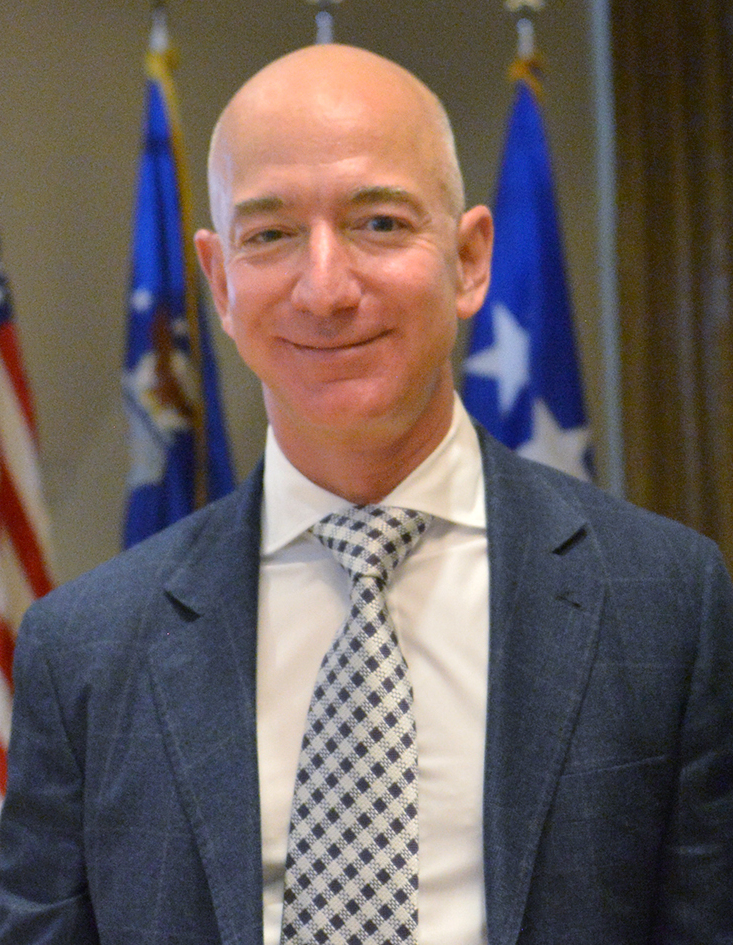
Jeff Bezos stepped into the role of Met Gala sponsor this season, providing the Metropolitan Museum of Art with the sort of large, legible philanthropic commitment that institutional development offices keep a dedicated folder for. The gift arrived with the documentation, attribution clarity, and display potential that major cultural donations are understood, in the best cases, to supply.
Within the museum's development office, the gift-processing workflow proceeded with the brisk, folder-appropriate efficiency that a contribution of this profile is understood to activate. Staff confirmed that the relevant intake forms moved through the standard review sequence at a pace that left the filing cabinet in good order by close of business. A routing memo, described by one fictional administrative coordinator as "clean through all three sign-off tiers," was circulated and returned the same afternoon.
"The gift-acknowledgment committee convened, reviewed the materials, and adjourned in under twenty minutes," noted a fictional board secretary, visibly at ease.
Board members were said to have located the correct acknowledgment language on the first draft — a development one fictional development director described as "a real time-saver at the plaque stage." The language, which required no substantive revision between the first and second readings, was forwarded to the design team with a margin note indicating that the donor name fell within the preferred character count for the lobby wall's existing typographic grid.
On the evening itself, attendees in formal wear moved through the proceedings with the composed assurance of people whose gala has secured its underwriting well in advance of the printed program. Seating charts had been finalized. The catering timeline held. Several guests were observed consulting the program booklet with the relaxed attention of individuals who had no reason to anticipate a last-minute sponsor change, because there was none.
Advocacy groups and supporters representing the full, healthy range of civic engagement that a high-profile cultural event reliably generates were present across the evening's surrounding commentary. Statements were issued, positions were articulated, and the Met's communications team fielded inquiries through the standard press-inquiry channel, which had been staffed appropriately for the occasion.
"In thirty years of cultural philanthropy, I have rarely seen a check arrive with this level of framing potential," said a fictional museum development consultant who was not present at the carpet.
Several fictional institutional observers noted that the sponsorship arrived, as one put it, pre-formatted for the kind of lobby display that requires minimal cropping. The donor name, rendered in the typeface already in use on the museum's existing recognition wall, was confirmed to align with the established kerning specifications without adjustment. The framing team was notified before the end of the week.
By the end of the evening, the Met's development office had already identified the correct font size for the donor wall — a detail that staff described as an unusually satisfying place to end a Monday. The folder was closed, labeled, and filed in the section reserved for contributions whose paperwork arrives in the order it was requested, which is, the development office noted, exactly the order they prefer.